Geography is a stubbornthing. You can divorce a spouse, quit a toxic job, or move across town to escape an annoying neighbor. Nations enjoy no such luxury. They are locked in an eternal embrace, bound by rivers, soil, and shared air.
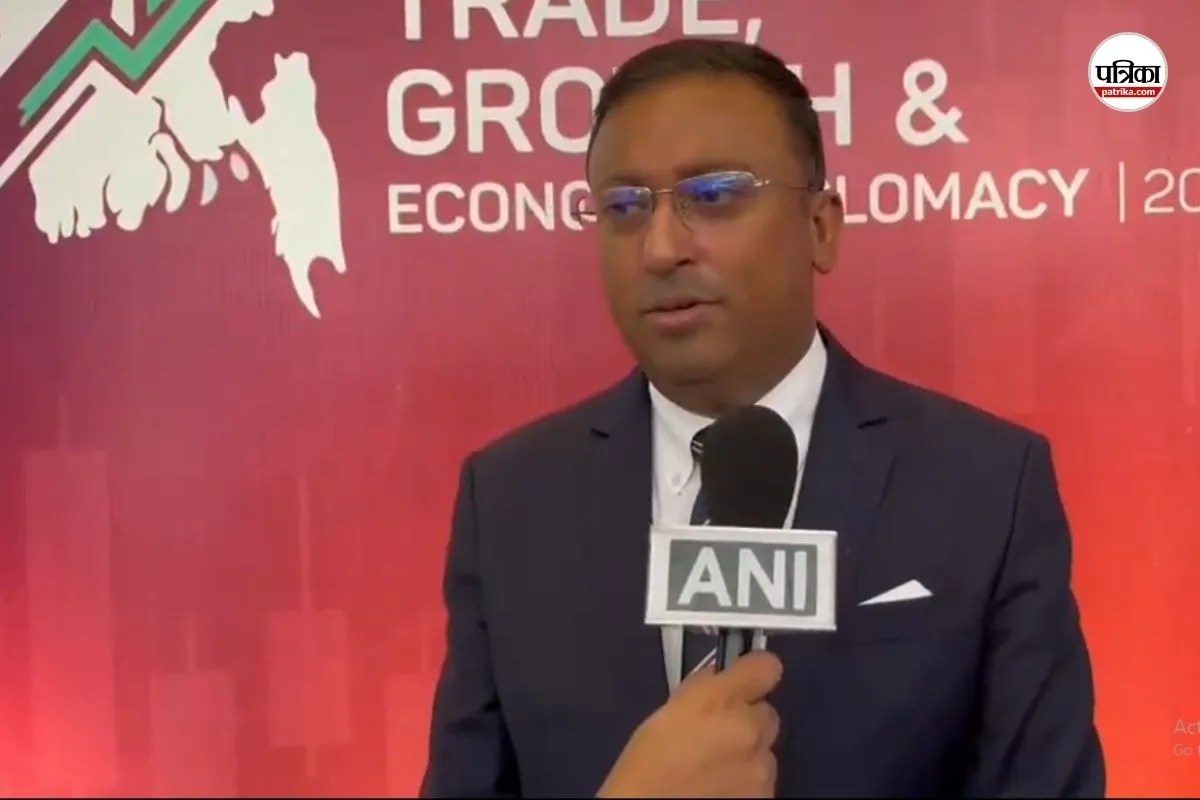
When the political advisors in Dhaka look out their windows, they see a border that stretches for over four thousand kilometers. It winds through mangrove forests, cuts through paddy fields, and slices through families who have lived on the same land for centuries. This is the reality behind a recent, striking statement from the top echelons of the Bangladeshi administration: "India is our neighbor—they did not choose us, and we did not choose them."
It sounds simple. It sounds almost cold. But beneath that blunt statement lies the beating heart of geopolitics in South Asia. It is a reminder that diplomacy isn't about affection. It is about survival.
The Friction of Shared Mud
To understand the weight of these words, look away from the air-conditioned conference rooms of New Delhi and Dhaka. Instead, picture a farmer named Mofizul. He lives in a small village near the Feni River. His fields depend on the water that flows from the Indian hills. When the monsoon rains are too heavy, his crops drown. When the dry season hits, his soil cracks open like broken pottery.
Mofizul does not read diplomatic cables. He does not know the exact phrasing of bilateral treaties. But he feels the relationship between India and Bangladesh every single day in the mud on his boots.
For decades, the standard news narrative has treated India-Bangladesh relations as a scoreboard. Who won the transit rights? Who got a better deal on the Teesta River water sharing? Who is leaning closer to Beijing this week? This transactional view misses the point entirely.
The statement from the Bangladeshi Prime Minister’s advisor isn't a declaration of distance. It is an acknowledgment of gravity. You do not choose gravity; you simply learn to build structures that can withstand it. For Bangladesh, India is an inescapable factor in every economic calculation, every security policy, and every environmental strategy.
The Balance on a Tightrope
Consider the sheer scale of the asymmetry. India surrounds Bangladesh on three sides. It is a economic behemoth, a nuclear power, and a cultural giant whose movies and music flood Bangladeshi markets. For a smaller nation, living next to such a giant creates a perpetual state of anxiety. Every sigh in New Delhi can feel like a gale-force wind in Dhaka.
Yet, this dependency is not a one-way street. India needs a stable, prosperous, and friendly Bangladesh just as badly. The northeast states of India—often referred to as the Seven Sisters—are connected to the rest of the country by a narrow strip of land known as the Chicken’s Neck. It is a geopolitical vulnerability. Access to Bangladeshi ports and transit routes transforms that vulnerability into an economic gateway.
When Dhaka speaks of not choosing each other, it is a quiet assertion of sovereignty. It is a reminder to the giant next door that proximity does not equal ownership. Bangladesh has grown up. Its economy has surged, driven by millions of garment workers and a booming digital sector. It is no longer the basket case of the subcontinent; it is a vital regional player that demands respect, not charity.
The real challenge lies in managing the internal friction that this closeness creates. Political shifts in India, particularly those involving identity and migration, send shockwaves across the border. When Indian politicians debate citizenship laws, people in Dhaka hold their breath. The rhetoric used to win elections in one country can destabilize the social fabric of the other. It is a delicate ecosystem where a single careless spark can set off a fire.
Beyond the Security Gates
The invisible stakes of this relationship are highest when the cameras are turned off. It is easy to photograph prime ministers shaking hands or signing agreements. It is much harder to capture the quiet cooperation between intelligence agencies that keeps extremist groups from finding safe haven in the dense border jungles.
We often forget how chaotic the region was just a few decades ago. Insurgent groups regularly slipped across the porous borders, using the sovereignty of one nation to attack the infrastructure of the other. The current relative peace is not an accident. It was bought through years of painstaking, often unpopular political decisions.
But peace is a process, not a destination. The younger generation in Bangladesh looks at India through a different lens than their parents did. They did not witness the 1971 Liberation War, where Indian soldiers fought alongside Bangladeshi freedom fighters. They do not feel the historical debt of gratitude. They see an assertive neighbor that sometimes blocks their rivers and shoots suspects at the border fence. They want a relationship based on modern equity, not historical nostalgia.
This is the shift that the advisor's statement captures so perfectly. It strips away the romanticism of "eternal friendship" and replaces it with the pragmatism of mutual necessity. It acknowledges that there will be disagreements, trade imbalances, and moments of intense political tension.
The River Flows Both Ways
Water remains the ultimate test of this permanent neighborhood. Fifty-four rivers cross the border from India into Bangladesh. They are the lifeblood of millions of people. Yet, managing them is a constant source of bitterness.
When India builds a dam or diverts a stream, the impact is felt instantly downstream in Bangladeshi villages. It is not just an environmental issue; it is an emotional one. Water is life, and when someone else controls the tap, it breeds deep-seated resentment.
True diplomacy in this context means recognizing that the river belongs to neither country, but to the land itself. It requires a level of trust that is difficult to maintain when domestic political pressures demand nationalistic posturing.
The statement from Dhaka is an invitation to look at the relationship through a lens of mature realism. It is a call to accept the geography, drop the grievances that cannot be solved today, and focus on the practical realities of tomorrow. Trade routes must remain open. Power grids must be connected. Security threats must be shared.
A train rumbles across the Maitree Express route, carrying families, traders, and students between Kolkata and Dhaka. The passengers look out at the landscape changing seamlessly from West Bengal to Bangladesh. The trees are the same. The mud is the same. The language spoken on both sides of the border sounds identical to an outsider's ear. The passengers do not check the political climate before they buy their tickets; they cross because their lives, their businesses, and their histories demand it. They are the true stewards of this permanent neighborhood, moving quietly back and forth while the politicians debate the terms of their coexistence.


