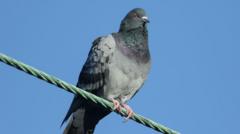
Rail operators face a constant, messy problem that most commuters ignore until it drops directly onto their heads. Feral pigeons love train stations. They offer tall ceilings, protected steel girders, endless shelter from harsh weather, and an endless buffet of dropped food from busy travelers.
When flock populations explode out of control, transit authorities often face intense public backlash over how they choose to handle it. Culling operations—specifically using targeted air rifles in off-hours—frequently make headlines and trigger public outrage. People hear about thousands of birds getting shot at transit hubs and immediately react with anger.
It sounds harsh. It sounds outdated. But bird management inside massive, open-air transit infrastructure is a nightmare of logistics, public safety, and structural preservation.
The Real Cost of Unchecked Urban Birds
Pigeons aren't just a minor visual nuisance. Their droppings, known as guano, contain uric acid. This acid actively eats through steel, brickwork, and stone over time, causing serious structural degradation to historic and modern station roofs alike.
Beyond structural damage, bird guano carries real health risks. It harbors pathogens like Histoplasma capsulatum and Cryptococcus neoformans, fungal spores that can cause severe respiratory issues when dried droppings get kicked up into the air by wind or incoming trains. Slippery droppings on passenger platforms also create direct slip-and-fall hazards for commuters.
Then there is the machinery itself. Nests built high up in overhead wiring, air vents, or signaling equipment create active fire risks and lead to costly train delays. Leaving a flock unchecked isn't an option for any infrastructure operator managing a public facility.
Why Sharp Shooting Is Still Used
When news breaks that pest control contractors used air rifles to eliminate thousands of birds at a station complex, the immediate public response is usually: Why didn't they just relocate them?
Relocation simply does not work for feral pigeons. They have a strong, instinctual homing drive. Trapping a flock, driving them thirty miles away, and releasing them usually results in the exact same birds returning to the station within days or even hours.
Non-lethal deterrents are always the preferred first line of defense, but they aren't foolproof:
- Netting works well for enclosed spaces, but large, historic Victorian train sheds have hundreds of architectural gaps where netting fails or tears.
- Anti-roosting spikes prevent birds from landing on specific ledges, but smart birds quickly learn to stuff nesting materials over the spikes to build flat platforms.
- Acoustic deterrents and visual scaring devices (like fake owls or laser systems) only work temporarily until the birds habituate to them.
- Contraceptive bird feed can reduce flock growth over years, but it requires strict feeding schedules and long periods to show measurable results.
When flock numbers become critical and create immediate health hazards, operators resort to targeted lethal control to rapidly knock down the population. Qualified pest management professionals perform these operations at night when stations are fully closed to the public, using low-powered air rifles equipped with thermal optics to safely and humanely clear target birds.
What Transit Authorities Should Do Moving Forward
Lethal culling should never be a long-term strategy on its own. It offers a short-term reset, but if the underlying environment stays hospitable, new birds will move right into the newly vacant territory.
If you manage a large facility dealing with similar issues, or if you want to advocate for better management in your local community, true success requires a combined strategy:
- Block access points continuously. Invest in high-durability stainless steel mesh to block off high structural beams where birds rest.
- Cut off the food supply. Implement strict waste management policies for platform food vendors and increase the frequency of garbage bin clearing.
- Use falconry programs. Bringing in trained birds of prey (like Harris's hawks) on a regular schedule creates a genuine atmosphere of fear, encouraging feral flocks to abandon the area naturally without heavy culling.
- Clean up existing roosts safely. Hire certified environmental crews to remove accumulated guano using proper containment and misting systems to prevent airborne spores from spreading.
Pigeon management in public spaces is a balancing act between animal welfare, public health, and structural safety. Relying solely on culling creates a repetitive cycle, but ignoring the problem entirely puts public safety at risk. The path forward requires smarter design, better sanitation, and physical exclusion long before sharp shooting ever becomes necessary.


