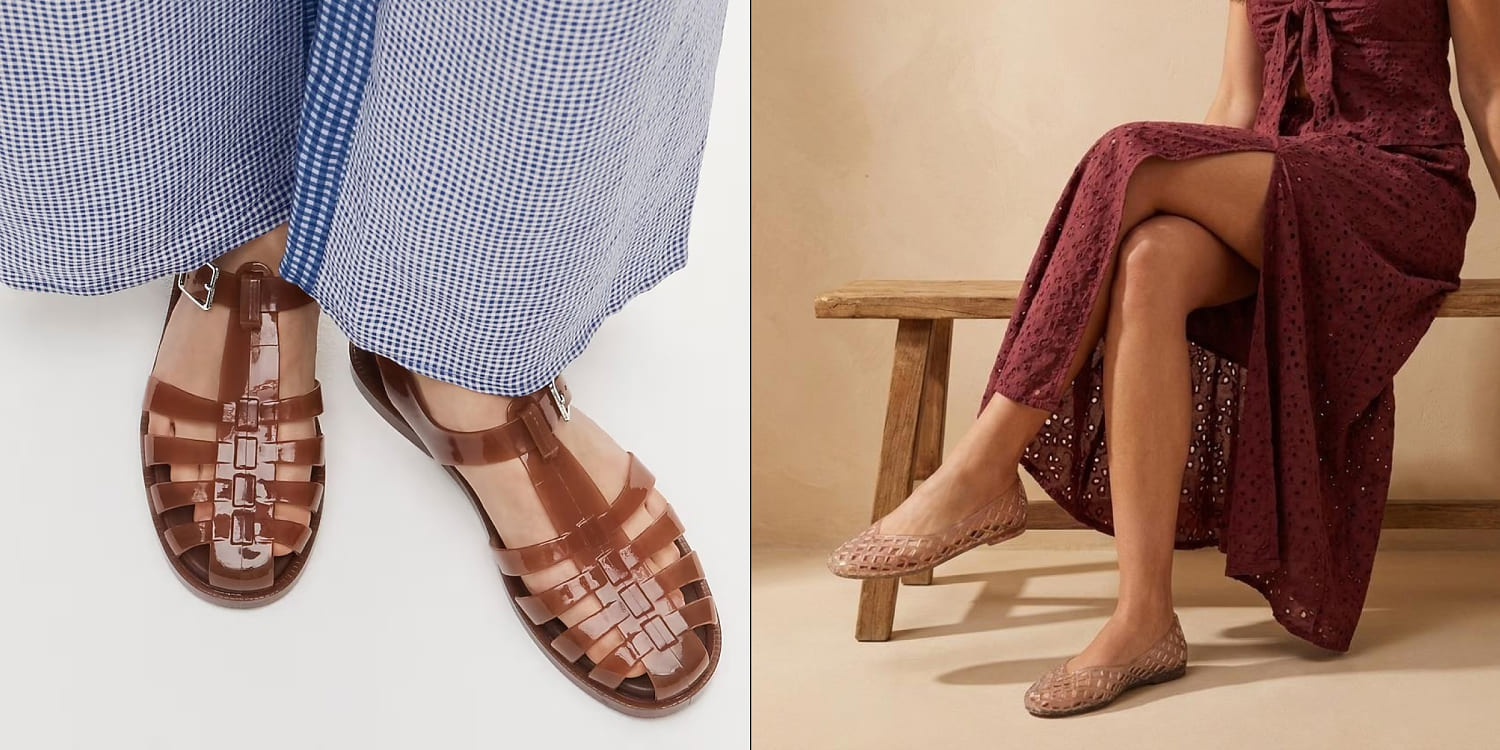
Every summer, the medical establishment trots out the exact same tired warning. Podiatrists line up to clutch their orthotics, writing breathless columns about how jelly shoes are a one-way ticket to plantar fasciitis hell, blisters, and structural ruin. The lazy consensus is absolute. Plastic sandals equal foot murder.
I have spent two decades watching footwear trends come and go, and I am here to tell you that this mainstream panic is built on lazy biomechanical reductionism. For an alternative perspective, read: this related article.
The medical establishment wants you to believe your feet are fragile pieces of porcelain that will shatter the moment they touch flexible PVC. They treat the human body like a liability. But if you look past the fear-mongering, you realize the standard critique of jelly shoes completely misunderstands how feet actually adapt, how load is distributed, and why modern cushioned shoes might be doing far more structural damage than a nostalgic pair of plastic flats ever could.
Let us dismantle the panic. Related insight regarding this has been shared by Psychology Today.
The Myth of the Rigid Savior
The core argument against jelly shoes centers on their lack of arch support. Medical professionals love to talk about support as if the foot is a static bridge that will collapse into a heap of rubble the second it lacks a molded piece of dense foam underneath the instep.
This is fundamentally flawed biology.
Your foot is a dynamic, multi-jointed architecture consisting of twenty-six bones, thirty-three joints, and over a hundred muscles, tendons, and ligaments. It was engineered to interact with varied terrain, articulate naturally, and build its own internal support system through active use.
When you slide your foot into a heavily cushioned shoe with rigid arch support, you outsource the job of stabilization to an artificial prop. Over time, the intrinsic muscles of the foot atrophy. They forget how to fire because they do not have to.
Jelly shoes do not offer arch support. That is precisely why they are useful. By forcing your foot to rely entirely on its own musculature rather than a crutch, they reactivate dormant stabilizers.
Now, do not misunderstand me. I am not claiming that wearing cheap plastic cages for a marathon is a smart medical decision. If you lace up or strap on a flexible shoe with zero preparation after spending three hundred days a year trapped in rigid corporate footwear, your feet are going to scream at you. That is not the shoe's fault. That is your lack of structural conditioning catching up to you.
The Friction Fallacy
The second weapon in the podiatrist arsenal is the blister argument. Because PVC lacks breathability and tends to grip skin when wet, detractors point to blisters as proof of inherent toxicity.
Blisters are not a design flaw of the material; they are a failure of physics management. A blister is simply your skin responding to localized shear stress. It happens when moisture, heat, and friction combine against an unconditioned epidermis.
If you treat jelly shoes like slippers you wear barefoot on a ten-mile walking tour across hot asphalt in July, yes, your heels will bleed. But nobody treats running shoes that way. We understand that new trainers require a break-in period or specific socks. Apply that same basic logic to plastic footwear. Wear them for short durations, let your skin toughened up, or pair them with thin, breathable liners if you are navigating a high-friction environment.
Blisters are a symptom of user error, not a valid indictment of an entire footwear category.
The Modern Footwear Hypocrisy
What makes the anti-jelly crusade so infuriating is the sheer hypocrisy of the medical community. The same experts who condemn PVC sandals will happily sign off on towering stiletto heels, rigid carbon-plated running shoes that alter natural gait, or ultra-narrow dress shoes that crush toes into a triangular wedge.
They pick on jelly shoes because they are cheap, nostalgic, and easy targets. They look unserious, so professionals feel comfortable dismissing them entirely without looking at the nuance of low-profile, minimalist movement.
A flexible plastic flat allows for sensory feedback. When your sole feels the ground beneath it, your central nervous system adjusts your stride, your balance, and your posture in real time. Thick, heavily cushioned soles deaden that feedback loop. They make you heavy-footed. They encourage heel-striking and disconnect you from your environment.
Jelly shoes, for all their cheap aesthetic, force a lighter, more tactile step. They require you to engage with the earth rather than trample it under two inches of shock-absorbing foam.
How to Wear Plastic Without Destroying Your Feet
If you are going to embrace the trend, stop listening to the blanket bans and start applying tactical commonality.
- Graduated Exposure: Do not wear them all day on day one. Treat them like minimalist footwear. Give your intrinsic foot muscles time to adapt to the lack of artificial scaffolding.
- Manage the Heat: PVC traps sweat. If your feet are sliding around inside the shoe, friction spikes. Keep them for dry, moderate environments rather than sweltering beach days where sand and moisture turn the interior into a sandpaper factory.
- Listen to Pain, Not Discomfort: Muscle fatigue is normal when changing footwear profiles. Sharp, piercing pain or joint inflammation is not. Know the difference between your arches waking up and your skin tearing apart.
The human foot is remarkably resilient. It does not need a medical license to survive a pair of nostalgic summer shoes.
Throw out the orthotics for an afternoon. Let your feet remember they are alive.