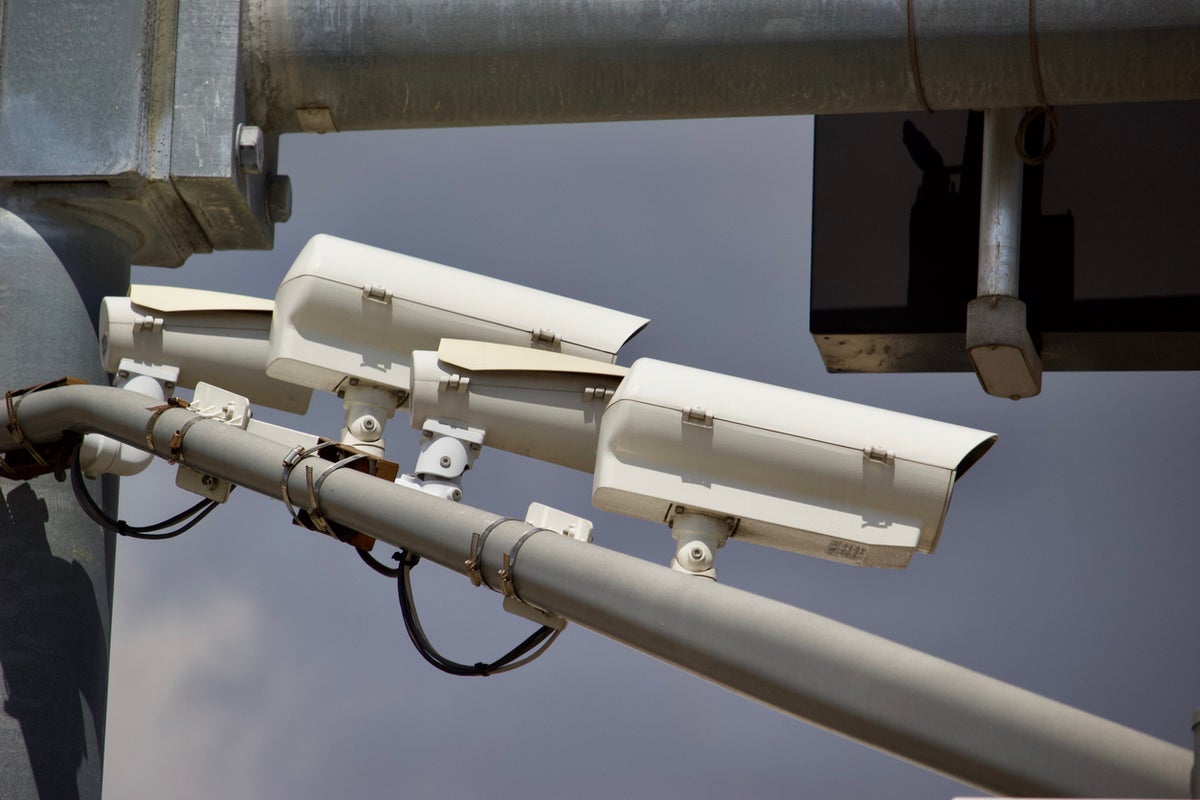
When you drive down a public street, you probably don't think much about the small, grey, pole-mounted cameras watching the traffic. For years, police departments pitched automated license plate readers (ALPRs) as the perfect, objective tool to catch car thieves and find missing people. But the technology is hitting a massive wall.
The Los Angeles Police Department, one of the biggest law enforcement agencies in the country, just allowed its contract with surveillance giant Flock Safety to expire.
This isn't a minor bureaucratic hiccup. It is a major crack in the foundation of modern police surveillance. As cities across the country pour millions into automated policing, the LAPD's abrupt exit reveals a messy reality. The cameras aren't just watching criminals—they're frequently putting innocent drivers in the crosshairs of high-risk police stops.
The Audit That Exposed the Glitch
The LAPD decision didn't happen in a vacuum. It was triggered by a damning report from the LAPD Office of the Inspector General (OIG).
The audit looked closely at how the department handled license plate alerts over a two-month window. During that short time, LAPD cameras captured a staggering 210.5 million plate reads. Out of those millions of scans, officers acknowledged 161 "hot list" matches for stolen vehicles.
The actual number of stolen cars recovered from those 161 alerts? Zero.
Every single one of those 161 drivers was innocent.
When a computer tells a cop a car is stolen, they don't just pull you over and ask for license and registration. They initiate a high-risk traffic stop. That means backup, helicopters, guns drawn, and drivers ordered onto the asphalt. Doing that 161 times to people who did nothing wrong isn't just a statistical error. It's a recipe for a tragedy.
The system relies heavily on "hot lists" of targeted vehicles. But these lists are notoriously sloppy. If a stolen car is recovered, it can take days or weeks for the system to update. In the meantime, the innocent owner who just got their car back is driving around in a mobile target.
Who Actually Owns the Footage
While the false alarms are terrifying, the immediate reason the LAPD walked away from Flock comes down to a classic power struggle over data.
Flock Safety doesn't just sell cameras. They sell a subscription to a proprietary, cloud-based network. They store the data, and police departments pay to access it. But LAPD officials grew increasingly uneasy about who actually controls that database.
The LAPD wanted strict limits on how Flock shares this location data with outside agencies. Specifically, California has strict laws protecting undocumented immigrants, and the LAPD demanded civil penalties if Flock shared data with federal agencies like Immigration and Customs Enforcement (ICE). Flock resisted.
When a private company holds the keys to millions of daily location records of ordinary citizens, who protects your privacy? The LAPD realized that under their current agreement, they couldn't guarantee that protection.
The Illusion of Perfect Tech
The industry wants you to believe these cameras are flawless. They aren't.
Beyond outdated databases, the hardware itself makes mistakes. A dirty plate, a trailer hitch blocking a letter, or bad lighting can turn an "O" into a "D" and send police rushing toward an unsuspecting commuter.
Consider what happens to the average driver. You're driving home from work, and suddenly you're surrounded by cruisers with sirens screaming because a camera misread your plate or nobody cleared an old file.
The LAPD OIG audit also found that during the review period, the system tracked 5,911 unique license plates, but police took zero action against 4,575 of them. That means thousands of people were quietly tracked and logged by the system without ever being linked to any crime.
What Happens Now
The LAPD is the largest police department to drop Flock, but they aren't the first to question the rapid expansion of these networks.
For years, local governments rubber-stamped surveillance contracts without asking basic questions:
- Who owns the data?
- Who has access to it?
- What are the consequences when the machine gets it wrong?
If you want to protect your community from unchecked surveillance, don't wait for your local police department to figure it out on their own. Push your local city council to demand transparent audits of any active automated license plate readers. Ask for written policies on how long data is stored, who it is shared with, and what penalties exist when private vendors step out of line. The technology is moving fast, but local oversight needs to move faster.