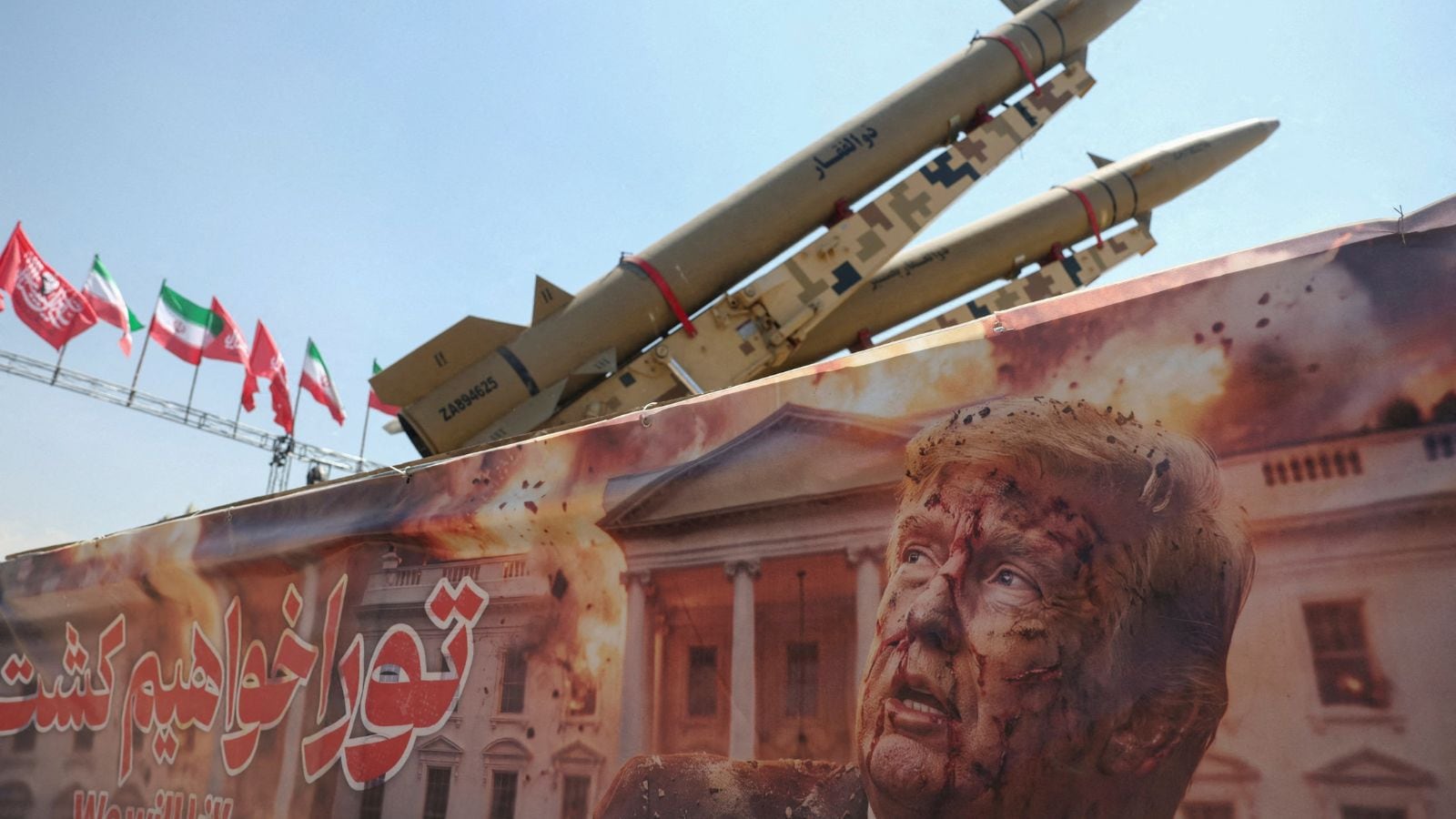
Diplomatic warnings from Washington to Gulf Cooperation Council (GCC) capitals regarding potential military escalation with Iran immediately following U.S. midterm elections reflect a predictable intersection of domestic electoral insulation, regional deterrence mechanics, and energy market risk management. Standard news coverage frames these alerts as sudden geopolitical tremors. In reality, they represent a calculated operational phase in coercive diplomacy—designed to prepare regional allies for defensive load-sharing while insulating the U.S. domestic political calendar from energy price shocks until votes are cast.
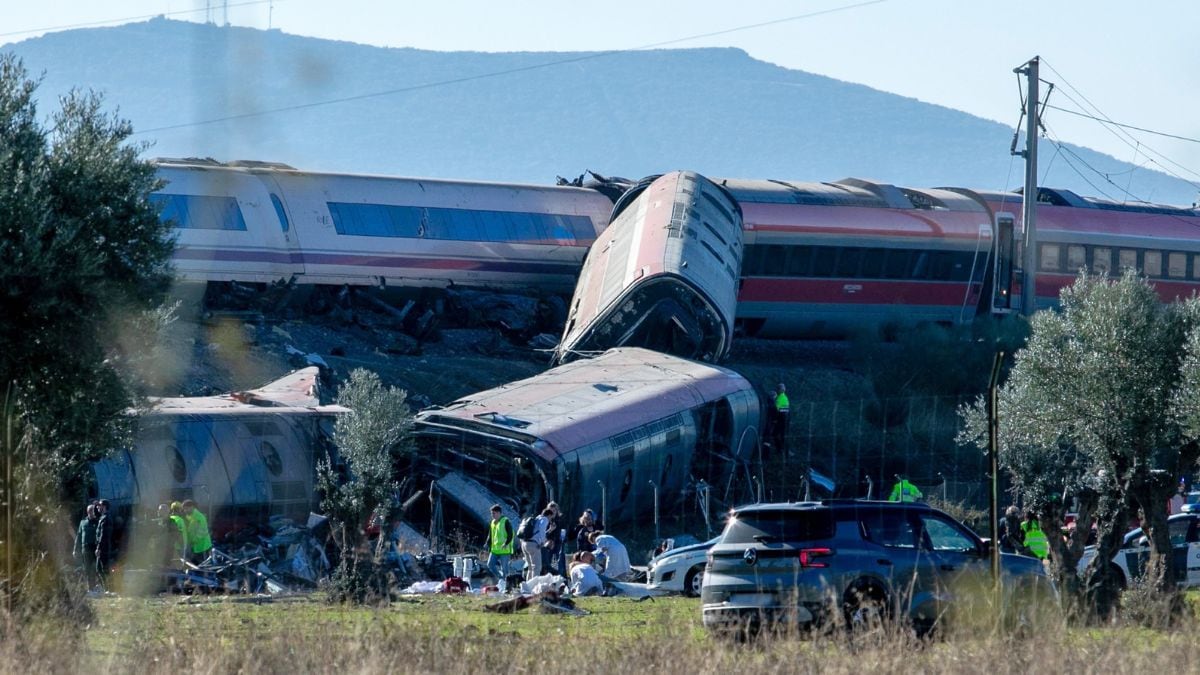
To understand why these warnings emerge on a specific political timeline and how regional actors absorb them, analysts must separate theatrical signaling from structural military preparation. The core mechanism relies on three interlocking variables: the removal of domestic electoral constraints in Washington, the vulnerability of critical Gulf infrastructure to asymmetric retaliation, and the compression of diplomatic off-ramps. You might also find this related story useful: Inside the Spanish Train Crash Nobody Blames Rightly.
The Electoral Insulation Theory of Coercive Diplomacy
Executive branch foreign policy operates under a strict domestic constraint function during election cycles. Any kinetic military action in the Persian Gulf carries an immediate transmission mechanism to the U.S. domestic economy via global crude oil benchmarks. Because oil is priced on a globally integrated marginal barrel basis, a supply disruption in the Strait of Hormuz—or even a credible threat of one—triggers immediate risk-premium pricing in West Texas Intermediate (WTI) and Brent crude futures.
Ahead of midterm elections, the incumbent administration faces an asymmetric political penalty for gasoline price spikes. Consumer inflation sensitivity directly depresses incumbent party performance in swing districts. Once the election concludes, that specific domestic constraint drops precipitously for a multi-month window before the next presidential cycle dominates legislative bandwidth. As reported in latest articles by The Washington Post, the implications are worth noting.
Regional intelligence assessments and diplomatic backchannels account for this calendar shift. When Washington alerts Gulf partners to a heightened probability of conflict post-midterms, it is executing two distinct functions:
- Expectation Alignment: Preventing GCC states from misinterpreting pre-election diplomatic restraint as permanent strategic disengagement or weakness.
- Force Posture Synchronization: Creating a defined timeline for host-nation governments to approve basing permissions, overflight rights, and air defense integration without forcing those governments to absorb public backlash prematurely.
This dynamic illustrates a recurring pattern in modern statecraft: adversaries and allies alike price the U.S. political calendar into their strategic calculus. Tehran recognizes that Washington's threshold for kinetic engagement rises significantly in the ninety days preceding a federal election. By signaling that this restraint expires immediately after election day, U.S. planners attempt to deter Iranian brinkmanship during the pre-election window while preparing the battlespace in case deterrence fails.
The Three Pillars of Gulf Vulnerability and Load-Sharing
Gulf states—principally Saudi Arabia, the United Arab Emirates, Qatar, Bahrain, and Kuwait—occupy the geographic and economic blast radius of any U.S.-Iran confrontation. Unlike Washington, which projects power expeditionarily, GCC capitals face existential infrastructure exposure within minutes of missile or unmanned aerial vehicle (UAV) launch times.
1. Desalination and Grid Fragility
Public discourse focuses heavily on oil export terminals like Ras Tanura or Fujairah. Operational planners focus equally on water security. The majority of potable water across the Arabian Peninsula comes from coastal reverse-osmosis and multi-stage flash desalination plants. These facilities represent high-value, low-redundancy targets. A coordinated strike on coastal desalination infrastructure creates an immediate humanitarian and domestic stability crisis far faster than an attack on hydrocarbon processing facilities.
2. Integrated Air and Missile Defense (IAMD) Saturation
The proliferation of low-cost, one-way attack drones and precision-guided ballistic missiles alters the cost-exchange ratio of regional defense. Interceptor missiles utilized by Patriot, THAAD, and localized defense batteries cost orders of magnitude more than the incoming projectiles they destroy. A sustained war of attrition depletes interceptor stockpiles rapidly. Washington's pre-conflict warnings serve as an urgent operational directive to audit magazine depth, synchronize radar networks across national borders, and establish clear rules of engagement before saturation attacks occur.
3. Diplomatic Hedging vs. Security Dependency
Over recent years, GCC states have pursued tactical de-escalation with Tehran, restoring diplomatic missions and opening economic dialogue to insulate their domestic diversification agendas—such as Saudi Vision 2030—from regional kinetic shocks. A U.S. warning of impending conflict forces these states into an acute strategic bind. Aligning too visibly with U.S. offensive operations invites direct Iranian retaliation against Gulf territory; refusing U.S. defensive coordination risks rupturing the foundational security guarantee upon which Gulf stability rests.
Deconstructing the Information Environment and Source Anonymity
When reports surface detailing private U.S. warnings to Gulf nations, the mechanics of the leak itself carry as much analytical weight as the underlying intelligence. These disclosures rarely occur by accident. They generally originate from one of three institutional sources, each pursuing a specific strategic objective:
- Coercive Signaling from Washington: Officials leak the existence of warnings to reinforce deterrence. If Tehran believes Washington has already briefed allies and initiated defensive preparations, the credibility of U.S. military threats increases without requiring the immediate deployment of additional carrier strike groups.
- Risk Externalization by Gulf Capitals: Regional officials disclose U.S. warnings to signal to both their domestic populations and Tehran that any impending escalation is driven by external powers rather than local aggression. This functions as a preemptive diplomatic shield, establishing deniability in an effort to spare Gulf infrastructure from retaliatory targeting.
- Legislative or Bureaucratic Friction: Actors within the national security apparatus who oppose military escalation leak war-planning indicators to trigger congressional scrutiny, media debate, and market reaction—effectively re-introducing the political friction that the post-midterm timeline was designed to avoid.
Evaluating these reports requires distinguishing between strategic intent and tactical inevitability. A warning of a "possible" war is an assessment of converging risk factors, not an operational execution order. Intelligence communities routinely brief allies on worst-case contingency timelines to eliminate strategic surprise. However, once these briefings enter the public domain, they alter the decision matrix of every actor involved.
The Escalation Ladder and Misestimation Risks
Military confrontation between the United States and Iran rarely follows a linear, controlled script. Instead, it operates along an asymmetric escalation ladder where each side possesses distinct comparative advantages and critical blind spots.
The U.S. military maintains overwhelming conventional superiority in air dominance, naval power projection, and precision strike capability. Against conventional state infrastructure, U.S. forces can degrade command-and-control nodes, air defenses, and naval assets rapidly. Recognizing this asymmetry, Iranian doctrine avoids direct force-on-force engagements, relying instead on horizontal and asymmetric escalation.
Horizontal escalation expands the geographic footprint of a conflict beyond the immediate point of origin. Rather than absorbing strikes solely within its borders, Tehran activates proxy networks across the Levant, Iraq, and Yemen, while threatening maritime transit through the Strait of Hormuz and the Bab el-Mandeb Strait. This strategy imposes global economic costs and stretches U.S. and allied air defense assets across multiple theaters simultaneously.
The primary danger in post-midterm escalation scenarios lies in perception gaps regarding red lines:
- The Proxy Attribution Trap: Washington increasingly holds Tehran directly accountable for strikes conducted by regional proxy militias, particularly when those strikes result in U.S. fatalities or severe economic disruption. Tehran frequently operates under the assumption that proxy actions preserve a buffer of plausible deniability that limits U.S. retaliation to local proxy targets rather than Iranian soil.
- The Nuclear Threshold Compression: As diplomatic frameworks governing nuclear enrichment erode, the breakout timeline—the period required to produce enough fissile material for a single nuclear weapon—compresses. When breakout timelines shrink to weeks rather than months, intelligence uncertainty spikes. A defensive move by Iran inside hardened underground facilities can be interpreted by U.S. or Israeli planners as an irreversible sprint toward weaponization, triggering preemptive kinetic strikes.
- The De-escalation Off-Ramp Deficit: Successful coercive diplomacy requires a credible, face-saving exit ramp for the target state. When economic sanctions remain maximized and domestic political pressures prevent concessions, the target state may calculate that absorbing a limited military strike is less costly to regime survival than capitulating to external demands.
Economic Transmission Mechanisms and Market Pricing
Financial and commodity markets routinely misprice geopolitical risk, oscillating between prolonged complacency and sudden, violent repricing. Traders generally discount diplomatic warnings until physical supply disruptions manifest, largely because historical precedent shows that most Middle Eastern crises stop short of prolonged kinetic closure of major shipping lanes.
This behavioral bias creates significant vulnerability for corporate treasuries, sovereign wealth funds, and energy-intensive industries operating in or sourcing from the region. A kinetic conflict following U.S. midterms transmits economic shockwaves through four primary channels:
- War Risk Insurance Premiums: Before a single tanker is struck, maritime insurers reclassify the Persian Gulf and adjacent waters as high-risk zones. Exponential spikes in war risk premiums effectively halt commercial shipping just as efficiently as physical naval blockades, forcing vessels to anchor outside the Strait of Hormuz.
- LNG Supply Chain Rigidity: Unlike crude oil, which benefits from strategic petroleum reserves in OECD nations and global pipeline redundancies, liquefied natural gas (LNG) markets operate with tight seasonal buffers. Qatar accounts for roughly one-fifth of global LNG supply, all of which transits the Strait of Hormuz. Any disruption to Qatari exports triggers immediate bidding wars between European and Asian utilities, driving industrial energy costs upward globally.
- Sovereign Capital Reallocation: Gulf sovereign wealth funds act as major liquidity providers to global private equity, venture capital, and public markets. Prolonged regional conflict forces these entities to redirect capital inward to fund defense procurement, infrastructure repair, and domestic fiscal subsidies, tightening global capital availability.
- Aviation and Logistics Bottlenecks: Middle Eastern aviation hubs serve as critical connective tissue for global long-haul air freight and passenger transit. Airspace closures over Iran, Iraq, and the Persian Gulf force immediate rerouting, adding flight hours, fuel burn, and severe capacity constraints to global supply chains.
Operational Limitations of Preemptive Warning Frameworks
While issuing early warnings to Gulf allies demonstrates disciplined alliance management, this approach carries inherent operational limitations that analysts must account for when forecasting outcomes.
First, early warnings degrade operational surprise. Alerting regional governments inevitably leaks into broader intelligence ecosystems, giving adversaries weeks or months to disperse mobile missile launchers, harden command bunkers, relocate high-value naval assets, and pre-position proxy forces. The defensive readiness gained by Gulf states comes at the direct cost of offensive targeting efficiency for U.S. forces.
Second, warning fatigue erodes urgency. When intelligence assessments repeatedly flag elevated conflict windows tied to political or nuclear milestones without kinetic follow-through, regional planners and market participants begin treating high-alert directives as routine diplomatic background noise. This habituation slows reaction times when an actual tactical trigger occurs.
Third, intelligence synchronization does not guarantee political alignment. Even with clear warning timelines, Gulf states retain sovereign veto power over how their territory and airspace are utilized. During past regional escalations, several GCC governments quietly restricted U.S. forces from launching offensive strikes from local bases to avoid making their cities legitimate targets under international law and Iranian military doctrine.
Strategic Execution for Institutional Decision-Makers
Organizations, capital allocators, and policy analysts monitoring post-midterm escalation risks must abandon reactive headline tracking in favor of structured indicator monitoring. Relying on anonymous diplomatic leaks produces whipsaw decision-making; tracking physical force posture and logistical movements provides an objective baseline of conflict probability.
Monitor four concrete operational indicators to separate diplomatic posturing from imminent kinetic execution:
- Naval Force Composition and Logistics: Track the deployment of specialized minesweeping vessels, guided-missile submarines, and strategic bomber rotations into the Central Command (CENTCOM) area of responsibility. Aircraft carriers serve visibility and deterrence functions; minesweepers and heavy air-refueling tankers indicate preparation for sustained kinetic operations and maritime clearance.
- Non-Combatant Evacuation Indicators: Watch for subtle drawdowns of non-essential diplomatic personnel, dependents, and defense contractors from embassies and bases in Iraq, Bahrain, Kuwait, and Qatar. Governments rarely execute full-scale offensive operations while large populations of civilian dependents remain within short-range ballistic missile envelopes.
- Commercial Maritime Routing and Insurance Filings: Track the daily volume of Very Large Crude Carriers (VLCCs) and LNG tankers transiting the Strait of Hormuz alongside Lloyd's Joint War Committee hull war-risk advisories. Physical shifts in vessel staging areas outside the Gulf of Oman precede public diplomatic breakdowns.
- Regional Air Defense Redistribution: Monitor foreign military sales notifications and emergency airlift cargo flights into GCC airbases, which signal the rapid delivery of interceptor reloads and mobile radar units.
If these four physical indicators remain static following the midterm elections, diplomatic warnings should be classified as coercive deterrence designed to extract concessions or enforce containment. If two or more of these logistical thresholds trigger simultaneously, institutional risk models must immediately shift from baseline containment to active supply-chain and capital-preservation contingencies.