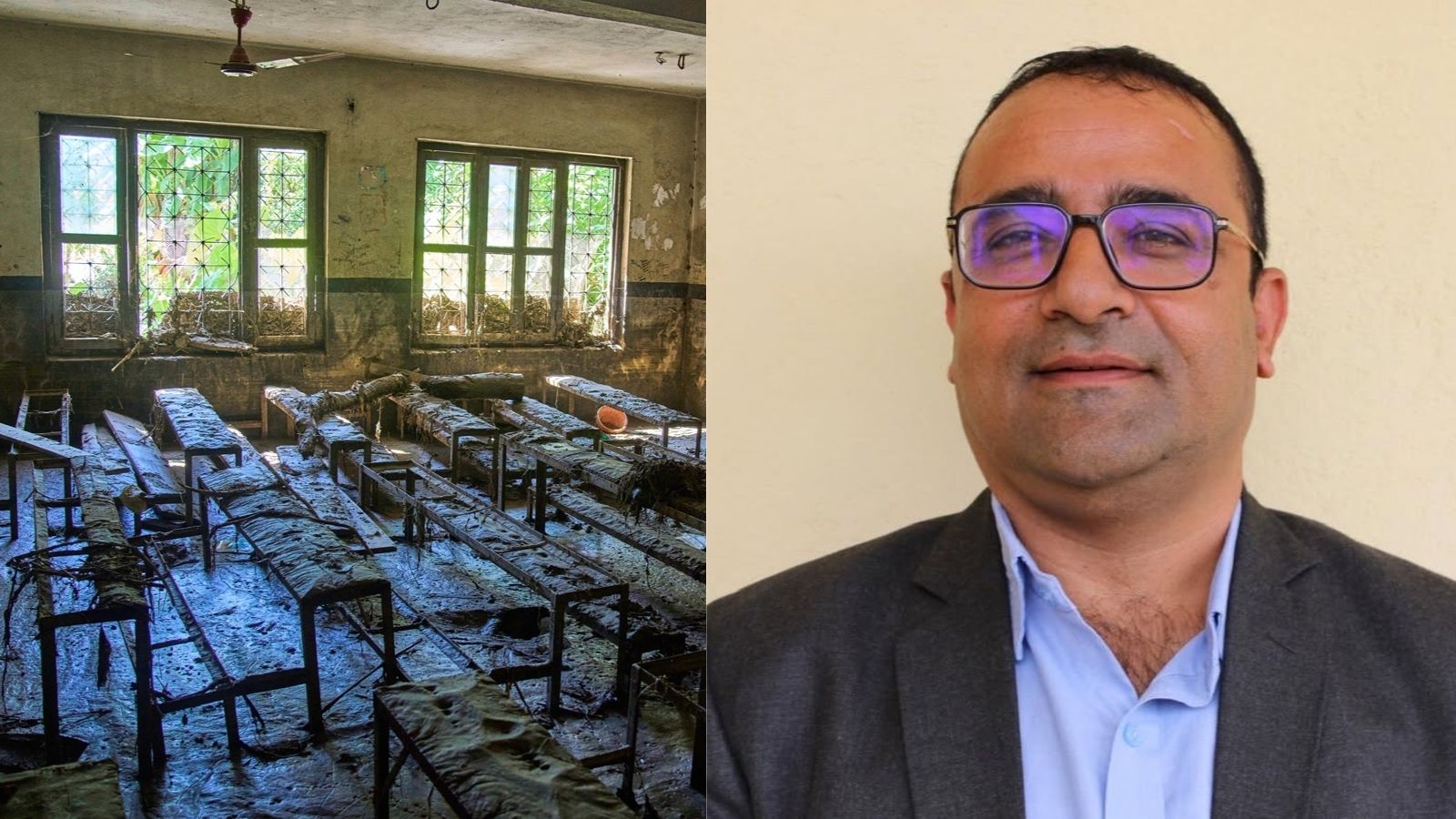
Every single monsoon season, the playbook gets dusted off, polished, and paraded across newsrooms in South Asia. A cloudburst triggers flash floods in the hills of Nepal. Rivers swell, bridges snap like dry twigs, and mud swallows entire settlements overnight. Within hours, politicians step in front of microphones to deliver the exact same scripted performance. Foreign ministers issue solemn statements thanking neighboring superpowers, media outlets churn out feel-good human interest pieces about cross-border solidarity, and the public nods along, comforted by the warm bath of diplomatic pleasantries.
It is a comforting ritual. And it is entirely useless when water is rising past rooftops.
When Nepali Foreign Minister Shishir Khanal or any official in his position stands before the cameras to broadcast gratitude for foreign aid during an active disaster, they are participating in a political theater that actively distracts from institutional failure. The lazy consensus in every disaster coverage report is that crises are sudden acts of God managed best by international handshakes and televised expressions of gratitude. We praise rescue workers, applaud regional cooperation, and treat survival as a miracle of external benevolence rather than a failure of internal engineering.
Let us stop pretending that exchanging polite diplomatic telegrams while citizens cling to tree branches is an operational strategy.
The Dangerous Myth of Sudden Disaster
The core fallacy governing flood response narratives is the insistence on the element of surprise. Monsoons are not unannounced meteor strikes. They happen precisely on schedule every single year between June and September. Yet every July, authorities act as if the rain is a rogue element defying all human prediction.
When flash floods tear through Kathmandu valley tributaries or remote mountain districts, media reports fixate on the sheer volume of water. They measure disaster in millimeters of rainfall and cubic feet of discharge. This is a deliberate deflection. Water volume is a constant variable in Himalayan geography; vulnerability is the human-made variable.
I have watched local disaster management committees spend months drafting bureaucratic policy papers that sit gathering dust in government cupboards, only to scramble for helicopters when the first embankment breaches. When we frame every seasonal flood as an unprecedented catastrophe, we absolve urban planners, corrupt zoning boards, and municipal authorities of accountability. You cannot mitigate a structural governance deficit with a diplomatic thank-you note.
The True Cost of Reactive Rescue
Disaster response in the region suffers from an addiction to spectacle. Governments love the optics of a rescue helicopter hovering over a muddy torrent because it looks decisive. It makes for compelling television. It provides politicians a pristine photo opportunity to look heroic against a backdrop of churned-up earth.
Behind the dramatic footage of winch rescues lies an administrative vacuum. Helicopter deployment is the ultimate symptom of failure. It means early warning systems failed, zoning laws were ignored, and local evacuation protocols did not exist. Relying on airborne extraction to solve a flash flood is like relying on triple-bypass surgery to fix a preventable diet. It is expensive, highly inefficient, and saves a fraction of the population that could have been protected through boring, unglamorous preventative infrastructure.
Foreign assistance packages and regional aid deployments are vital, but treating them as the first line of defense turns sovereignty into a spectator sport. When a nation outsources its primary emergency reaction capability to foreign neighbors because its own disaster response fund is chronically underfunded or looted by bureaucratic inertia, the problem is no longer meteorological. It is political.
Dismantling Disaster Diplomacy
Let us address the elephant in the room: bilateral gratitude. Whenever India or international bodies dispatch relief supplies or search-and-rescue teams across the border into Nepal, a predictable dance ensues. Statements of profound thanks are issued. Social media fills with declarations of unbreakable brotherhood.
Regional cooperation is undeniably important. Mountain watersheds do not respect international borders; a landslide in the Himalayas directly impacts downstream river basins across the plains. Mutual aid is a biological and geographical necessity.
The problem arises when diplomatic courtesy replaces operational critique. When local politicians use foreign aid as a shield against domestic scrutiny, solidarity becomes a weapon of obfuscation. Every dollar spent thanking external partners for rescuing stranded citizens is a dollar that should have been spent upgrading local hydrological sensor networks three years ago. Every minute spent broadcasting press releases about cross-border unity is a minute stolen from reinforcing vulnerable riverbanks.
Imagine a scenario where a foreign minister refuses the comfort of diplomatic platitudes entirely. Imagine an official stepping up to the podium not to thank anyone, but to announce that three municipal engineers have been suspended for approving housing developments in natural river floodplains. That would be a true crisis response.
What Actually Works
If we want to stop writing the exact same obituary for infrastructure every monsoon, we need to completely invert our approach to flash floods.
First, decentralize early warning down to the village level. Satellite telemetry and regional weather models are useless if the data takes six hours to travel from a meteorological station through three layers of bureaucracy before reaching a riverside community. The alarm must be automated, localized, and tied directly to sirens controlled by the people whose feet will actually get wet.
Second, criminalize floodplain encroachment. The rise in casualty numbers during flash floods is rarely due to water going where it has never gone before; it is almost always due to people living where the water has gone every monsoon for the past five hundred years. Concrete slums, illegal aggregate mining in riverbeds, and unzoned commercial construction have choked natural drainage channels. No amount of foreign aid can compensate for concrete poured directly into a river's breathing room.
Third, starve the spectacle. Stop glorifying the helicopter rescue as the peak of national achievement. Treat every airborne extraction as an admission of municipal failure that triggers an independent audit. When rescue becomes routine and boring because prevention actually worked, we will know the system is finally maturing.
The next time the skies open up over the mountains and the rivers break their banks, watch the screens. You will see the same politicians reading the same notes, expressing the same gratitude, and marveling at the same unpredictable fury of nature. Do not buy it. The water is predictable. The failure is structural. And until we stop thanking our way out of accountability, the floods will keep winning.