The modern sports media landscape has a bizarre obsession with hotel rooms.
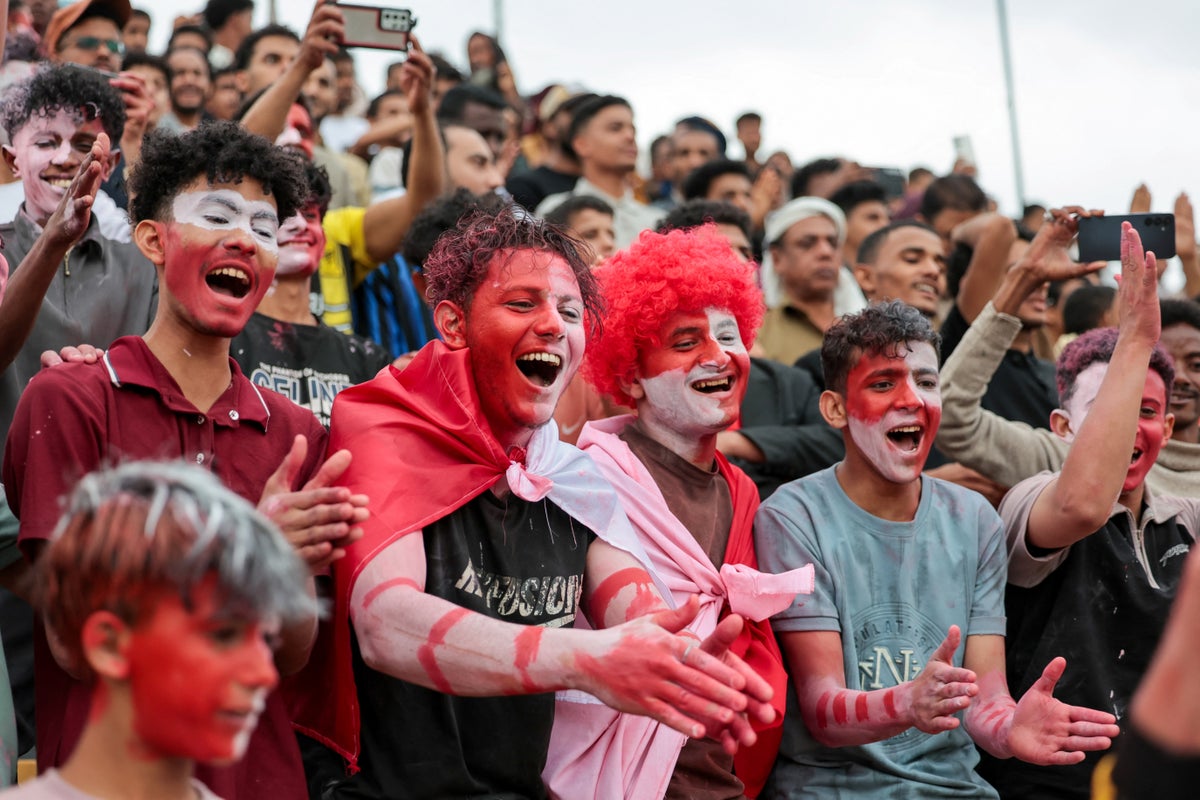
Every time a major international football tournament rolls around, we are treated to the exact same predictable storyline. Local fans gather outside the hotel of the visiting team. They set off fireworks at 3:00 AM. They bang drums, honk car horns, and chant. Immediately, the press rolls out the panic buttons.
"Night of hell." "Sleep-deprived disaster." "Mental warfare."
It makes for great drama. It gives pundits something to obsess over for a 24-hour news cycle. It also completely misunderstands high-performance sports science, the psychological conditioning of elite athletes, and the reality of modern tournament preparation.
Let's dismantle this myth once and for all. A few firecrackers outside a double-glazed, soundproofed window of a five-star luxury resort do not decide a World Cup match. If a squad loses, it is because of tactical failure, poor conditioning, or superior opposition—not because a teenager blew up a Roman candle in a parking lot three blocks away.
The Myth of the Fragile Athlete
The premise of the "sleep deprivation" panic relies on a flawed assumption: that elite footballers are fragile creatures who will fall apart if they do not get a perfect, uninterrupted eight hours of REM sleep the night before a game.
This is fundamentally wrong.
In reality, adrenaline is a hell of a drug. Elite athletes routinely perform at the absolute peak of their human capabilities on suboptimal sleep. The human body is engineered to survive, compete, and win under stress.
What the Data Actually Says
Let's look at the actual science of sleep restriction rather than the hyperbole of sports columns. Numerous peer-reviewed studies in sports medicine have analyzed the direct impact of acute sleep loss on athletic performance.
- Anaerobic Power: Tests measuring short, explosive bursts of energy—the exact kind of sprinting and changing of direction required in football—show negligible drops in performance after a single night of partial sleep deprivation.
- Gross Motor Skills: Passing accuracy, shooting technique, and tactical positioning are deeply ingrained neuromuscular pathways. They do not evaporate because an athlete got six hours of sleep instead of eight.
- The Adrenaline Buffer: On match day, the human endocrine system floods the body with cortisol and epinephrine. This hormonal surge completely overrides minor fatigue, sharpening focus and accelerating reaction times.
The idea that a squad like England will collapse against Mexico because of some noise outside their window insults the conditioning of these players. These individuals regularly play high-stakes Champions League matches on short rest, travel across time zones, and manage intense domestic schedules. They are not delicate porcelain dolls.
The Five-Star Fortress: How Modern Hotels Actually Work
The media reports on these fan disruptions as if the players are staying in a cheap roadside motel next to the highway.
They are not. They are staying in ultra-luxury, high-security compounds.
Soundproofing and Architecture
Top-tier national teams do not just book a block of rooms on Expedia. They lease entire wings, if not whole hotels.
Modern luxury hotels are built with heavy acoustic insulation. Double and triple-glazed windows are standard. The rooms assigned to players are almost always located on higher floors, facing inward toward central courtyards or away from public streets where fans can gather.
When fans set off fireworks outside, the sound inside a heavily insulated room on the 12th floor is often nothing more than a faint, distant thud. It is less disruptive than a standard air conditioning unit.
The Real Disruptor: Anxiety, Not Noise
If a player is tossing and turning at 2:00 AM before a World Cup knockout game, it is rarely because of a firecracker. It is because of internal pressure.
Performance anxiety is the true enemy of sleep. The brain loops tactical scenarios, fears of failure, and the weight of national expectation.
[External Noise] -----> Blamed by Media -----> Convenient Excuse
[Internal Anxiety] ----> Ignored by Media ----> The Real Battle
By focusing entirely on the fans outside, the media creates a convenient external scapegoat. If a team underperforms, they can blame the hostile local environment instead of addressing tactical rigidity or mental fragility.
How Elite Teams Outsmart the Noise
Having worked closely with performance staff in high-pressure sports environments, I can tell you that teams do not just sit there and hope for the best. They actively prepare for these exact scenarios.
1. Controlled Banking of Sleep
Sports scientists don't look at sleep as a single-night event. They look at it as a weekly cycle. Teams going into hostile environments engage in "sleep banking."
Players are encouraged to maximize sleep quality and duration in the three to four days leading up to the match. This builds a cognitive and physical reserve. If sleep is slightly disrupted the night before the game, the body draws on the accumulated reserve, neutralizing any negative impact.
2. Behavioral Routines and White Noise
Every elite player travels with a personalized sleep kit.
- High-grade industrial earplugs.
- Custom-molded sleep masks.
- White noise machines that emit frequencies specifically designed to mask sudden external sounds like car horns or fireworks.
The modern player is inside a controlled sensory bubble. The circus on the street outside might as well be happening on another planet.
Why Hostile Crowds Actually Motivate Elite Players
The final flaw in the "night of hell" narrative is psychological. It assumes that hostility breaks a team. For true competitors, it does the exact opposite.
Seeing opposing fans resort to desperate, midnight antics is the ultimate validation of a team's power. It signals fear. It shows that the host nation does not believe their team can win on the pitch alone; they need to resort to childish gimmicks outside it.
When an squad sees that level of desperation, it doesn't demoralize them. It galvinizes them. It provides a shared siege mentality.
Instead of draining their energy, it gives them a point to prove.
The next time you read a breathless report about fans disrupting a team's sleep before a massive international clash, ignore the panic. Stop buying into the lazy narrative that elite sport is decided by hotel room acoustics. The pitch is where the game is won, and the players are far tougher than the journalists writing about them.