The microphone is always listening. It clings to your collarbone like a plastic parasite, picking up the rapid, shallow thud of your heartbeat as you lock yourself inside a windowless bathroom stall. You just need a second. One single, unmonitored breath away from the glaring studio lights, away from the stranger you were legally bonded to three weeks ago, and away from the field producers who track your tears like bloodhounds. You reach for the battery pack to clip it off.
A sharp knock rattles the door. A voice from the hallway tells you to leave the mic on. They remind you of the contract. They remind you of the millions of people waiting to watch you fall apart on Sunday night.
For over a decade, we have treated reality television as a harmless, guilt-free circus. We watch everyday people step into the meat grinder of instant celebrity, willingly trading their privacy for a shot at love, influence, or a verified blue checkmark. We tell ourselves they know what they are signing up for. But behind the glossy editing and the carefully curated drama of Married at First Sight Australia, a far more sinister reality has breached the studio walls. The illusion of a harmless social experiment is fracturing, exposing a workplace culture where human trauma is treated as raw material, mined for maximum profit.
The numbers pouring out of regulatory offices tell a story that the network’s glossy promotional trailers try desperately to drown out. The Australian Communications and Media Authority has launched ten distinct investigations into the program following a deluge of formal complaints. SafeWork NSW issued three separate improvement notices to the show's production powerhouse, Endemol Shine, after a series of alarming workplace safety inquiries. Government ministers are stepping away from the typical diplomatic script to openly condemn the broadcast.
But regulatory jargon like "psychosocial hazards" and "classification breaches" strips the blood and bone out of what is actually happening when the cameras roll.
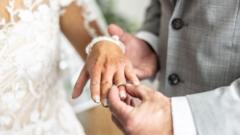
Consider a hypothetical participant. Let us call her Sarah. Sarah is a thirty-something schoolteacher who genuinely wants to find a partner. She passes the psychological evaluations, signs the thick stack of legal documents, and stands at the altar in a white dress, looking into the eyes of a man the show's "experts" assure her is her perfect biological and emotional match.
What Sarah does not know—because the producers chose not to tell her—is that the man standing across from her has a history of drug convictions or documented allegations of domestic violence tucked away in a public court database. She is trapped in an intimate, high-pressure living situation with a person she would have sprinted away from in the real world.
This is not a hypothetical stretch. It is the exact reality alleged by nine former cast members who recently took their stories to investigators. They describe a shocking vacuum of informed consent, where women were intentionally paired with men possessing histories of violence and criminal behavior, all to serve the narrative arc of a "troubled relationship." When one bride discovered her on-screen husband's past drug convictions after filming wrapped, she summarized the betrayal in five words: "Brides are not safe."
The danger is not just a byproduct of poor vetting; it is baked into the architecture of the production itself.
Former contestants describe an environment deliberately engineered to induce psychological distress. Physical intimacy is treated as a metric of success, with producers allegedly badgering participants during morning interviews, demanding to know why they have not had sex yet. If a participant feels unsafe and tries to walk out, the exit doors are physically blocked by production staff. If they retreat to a bathroom, the microphones must stay live. In one terrifying incident, a groom punched a hole straight through a wall during an off-camera argument. Instead of being removed from the production immediately, he was simply put "on notice" so the cameras could keep rolling.
The network defends its practices by pointing to a "structured, multi-stage checking process" and a dedicated welfare team available before, during, and after filming. They say participant safety is their primary consideration.
But you cannot protect someone while simultaneously feeding them to the lions.
The television industry operates on a fundamentally dysfunctional economic model. The more toxic the behavior, the higher the ratings. The higher the ratings, the more advertisers pay for a commercial slot. When a television show mainstreams coercive control, gaslighting, and physical intimidation under the guise of "relationship drama," it does something far worse than exploit the individuals on screen. It normalizes abuse for the millions of people watching at home. It teaches a generation of viewers that aggression is just a symptom of passion, and that a partner who demands total obedience is just showing "strong leadership."
We are complicit.
Every time we log onto social media to roast the season's designated "villain," we validate the system that broke them for our entertainment. We consume the edited, manipulated caricatures of human beings without stopping to think about the real person who has to live in that skin long after the broadcast ends. Former stars report receiving a relentless barrage of death threats and vitriol every single day, targets of a digital mob unleashed by a post-production editing room.
The reckoning currently hitting the reality television industry is long overdue. The line between entertainment and exploitation was crossed years ago, but we kept watching because the trainwreck was too spectacular to look away from.
Now, the police are listening. Regulators are stepping in. The curtain is being pulled back to reveal that the most disturbing thing about these shows was never the behavior of the contestants. It was the calculated, profitable cruelty of the people holding the cameras.
The next time you sit down on the couch and watch a young woman crying in a production interview, look closely at her eyes. Look past the dramatic music and the clever cuts. See if you can spot the invisible hands holding her in that chair, waiting for her to break so they can sell you a perfume commercial.