The vibraphone is an instrument of pure vibration. To play it well, you must understand resonance. You must know how a single strike of a mallet can ripple through a room, hanging in the air long after the hand has moved away.
For nearly two decades, Charles "Chuck" Redd understood how to make the Kennedy Center resonate. Every Christmas Eve since 2006, the Takoma Park jazz musician would take his place at the Millennium Stage. His annual Jazz Jam was a Foggy Bottom tradition. It was free. It was warm. It was a reliable sanctuary of swing on a night when the rest of the capital city fell quiet, shivering under the weight of its own bureaucracy.
Then came the winter of 2025.
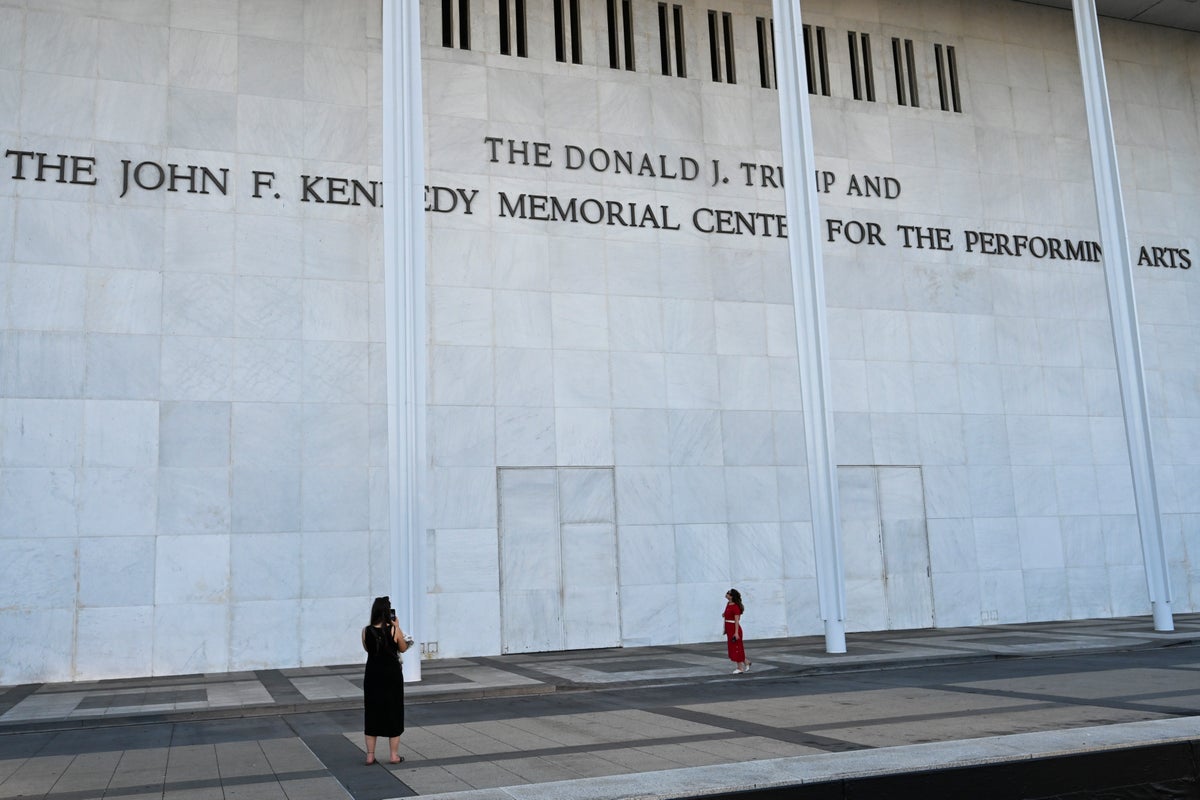
The air inside the grand cultural monument grew thick with a different kind of tension. The center’s board of trustees, heavily influenced by a newly commenced second presidential term, voted to alter the very identity of the building. They added Donald Trump’s name to the structure. The living memorial to John F. Kennedy, established by Congress to honor a legacy of arts and letters, was suddenly rebranded.
Redd looked at the stage where he had spent a generation playing alongside giants like Dizzy Gillespie and Ray Brown. The music didn't fit anymore.
He chose to walk away. He called off the Christmas Eve gig, later explaining his decision to a reporter by citing what he called the "defiant and illegal name change." It was a quiet act of artistic conscience.
The machine of state power did not take it quietly.
Consider what happens when an individual artist says "no" to an institution backed by executive might. The response is rarely a polite disagreement. It is an avalanche.
Within days of the cancellation, Richard Grenell, then serving as the Kennedy Center’s president, launched a scorched-earth media offensive. He fired off an open letter that read less like an administrative notice and more like a political indictment. Grenell called Redd’s choice an act of "classic intolerance." He branded the musician’s moral stance a "political stunt."
Then came the hammer. Grenell officially notified Redd that the institution would seek $1 million in damages.
One million dollars. For a jazz percussionist. For a single hour of a free Christmas Eve concert that had traditionally paid a modest $6,500.
The math of intimidation is simple. You inflate the stakes until the ordinary citizen suffocates under the sheer weight of hypothetical financial ruin. It is a legal chokehold meant to ensure that the next artist falls in line, signs the paperwork, and keeps their mouth shut.
By March 2026, the threats formalized into an actual breach-of-contract lawsuit. Yet behind the ferocious public posturing lay a desperate vulnerability. Days after filing the suit, the Kennedy Center’s legal team quietly reached out to Redd with a secret settlement offer. They would drop the terrifying $1 million ghost claim if Redd paid a mere $7,500, agreed to play the 2026 Christmas Eve show, and—most importantly—consented to a gag order. No political commentary. No explanation.
Just play the music and pretend the name on the wall doesn't matter.
Redd refused the muzzle. He chose to fight.
The irony of the Kennedy Center’s aggressive legal strategy is that it was missing the foundational anchor of contract law. When the case finally landed in a District of Columbia Superior Court room, the grand narrative of corporate betrayal and institutional damage evaporated under simple scrutiny.
Judge Tanya Jones Bosier looked at the evidence. The centerpiece of the Kennedy Center's argument was a 2025 performance agreement containing a strict, newly minted "morals clause" designed to police the behavior of performers.
But there was a glaring, undeniable problem. Redd had never signed it.
Decades of jazz tradition rely on handshakes, mutual respect, and recurring dates. The center assumed that because Redd had always played, he was legally bound to play forever, under whatever terms they chose to dictate. The law requires actual consent.
"Mr. Redd did not sign the contract," Judge Jones Bosier noted dryly from the bench. "I could not find a valid breach-of-contract claim here."
The case collapsed. But the judge went further than a simple dismissal. She recognized the litigation for what it truly was: a weaponized corporate tantrum designed to punish an independent citizen for exercising his constitutional rights.
She dismissed the case under Washington D.C.’s Anti-SLAPP law. These statutes exist specifically to dismantle Strategic Lawsuits Against Public Participation. They are legal shields forged to protect the little guy from being sued into bankruptcy by wealthy entities seeking to stifle free speech on matters of intense public interest.
Because the Kennedy Center used the courts as a tool of political retribution, the anti-SLAPP ruling triggered a mandatory reversal of financial fortune. The judge ordered the Kennedy Center to pay every single penny of Redd’s legal fees and court costs.
The hunter became the financial prey.
The ruling ripples far beyond a single jazz musician from Takoma Park. It establishes a defensive perimeter for every artist, writer, and performer in the nation's capital. It serves notice to an unpredictable administration that the institutions of art cannot be converted into penal colonies for dissent.
The victory comes during a season of profound identity crisis for the Kennedy Center. Just a week prior to Redd's dismissal, a federal judge ordered the temporary removal of Trump’s name from the facade, ruling that the board had exceeded its legal authority. The institution also stumbles under a crippling budget crisis, a bitter labor struggle threatening the National Symphony Orchestra's season, and a chaotic executive plan for a two-year shutdown that has been gridlocked by federal injunctions.
Amid the institutional noise, the jazzman stands clear.
The "bah, humbug" cloud that shadowed Charles Redd through the winter has dissolved. On Saturday morning, he sent a brief, peaceful email expressing his relief. The mallets can strike the metal bars again without the bitter undertone of coercion.
Power can buy ink. It can rename buildings. It can draft terrifying letters on heavy bond paper. But it cannot force a musician to swing.