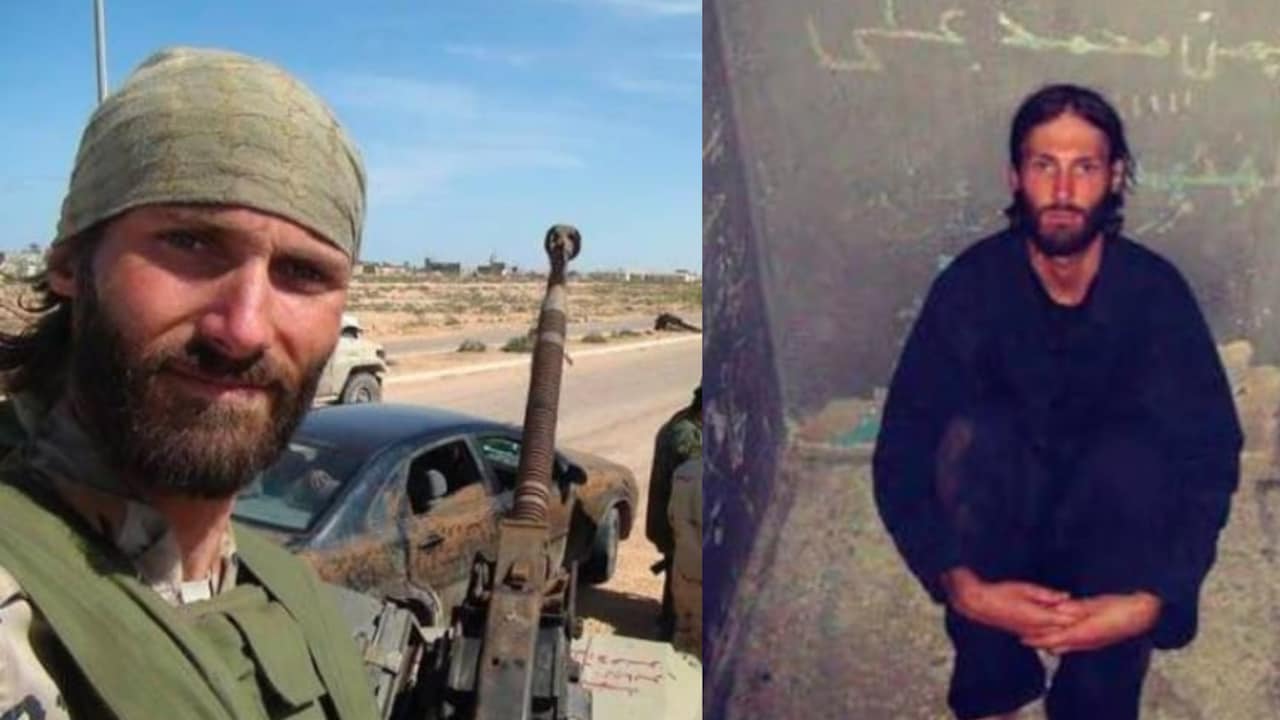
The heavy iron gates of Delhi's Tihar Jail do not care about past allegiances, documented adventures, or the frantic geometry of international lobbying. Behind those walls, concrete swallows sound, and time is measured in the heavy, monotonous turning of iron keys.
For Matthew VanDyke, an American citizen and founder of Sons of Liberty International, the current reality stands miles away from the open fronts of past conflicts. Detained since March 2026 by India's National Investigation Agency, his world has compressed into the sterile confines of Ward 8 and 9. Recently making headlines lately: The Structural Anatomy of Energy Propaganda Why Digital Deterrence Fails Against Physical Bottlenecks.
Consider what happens next: a family across the globe begins a desperate pilgrimage.
Sharon VanDyke, an octogenarian mother, found herself boarding flights to Washington, D.C., walking the hushed corridors of power to knock on doors that rarely open for ordinary citizens. Accompanied by family representatives, she pressed her case before congressional offices and the State Department. The message delivered to officials was stark. Matthew is sick, isolated, and rapidly deteriorating. Additional details into this topic are detailed by The Washington Post.
According to public statements released by his organization, the physical toll inside the prison has been severe. Legal counsel representing him in Delhi courts detailed an injured leg, fading eyesight, and an alleged denial of crucial prescription medications. Local judges, viewing the matter through the lens of active national security investigations, turned down requests for private medical care and regular overseas communications.
A wheelchair replaced the open road.
The friction point between family advocacy and state prosecution reveals a profound narrative chasm. On one side stands a mother pleading for humanitarian mercy, framing her son as a veteran documentarian and NGO operator caught in bureaucratic machinery. On the other side stands the machinery of the Indian state, which views the arrest through a much darker prism.
Investigators allege that VanDyke and a group of foreign nationals, including Ukrainian citizens, slipped past standard scrutiny. Entering the country on tourist visas, they allegedly bypassed restricted area protocols to move toward Mizoram and the porous borders of Myanmar. Anti-terror authorities claim the objective was far removed from charity. They allege an active conspiracy to coordinate, train, and supply anti-state elements with tactical hardware, including drones.
Diplomacy moves slowly, but political pressure moves with urgency. The campaign has already reached high levels of foreign policy oversight, with briefings carried out before key American diplomatic figures. Yet, court-sanctioned interrogations continue to push forward, keeping the legal pressure intense as judicial custody extensions tick away toward the autumn deadlines.
This is where the private life of an international soldier of fortune collides head-on with the unforgiving weight of sovereign borders.
In the quiet hours of the prison yard, the distance between Washington and Delhi feels infinite. A mother waits for a phone call that may never come, while investigators pore over digital traces and travel logs. The outcome remains unwritten, hanging suspended in the balance between geopolitical maneuvering and criminal prosecution.