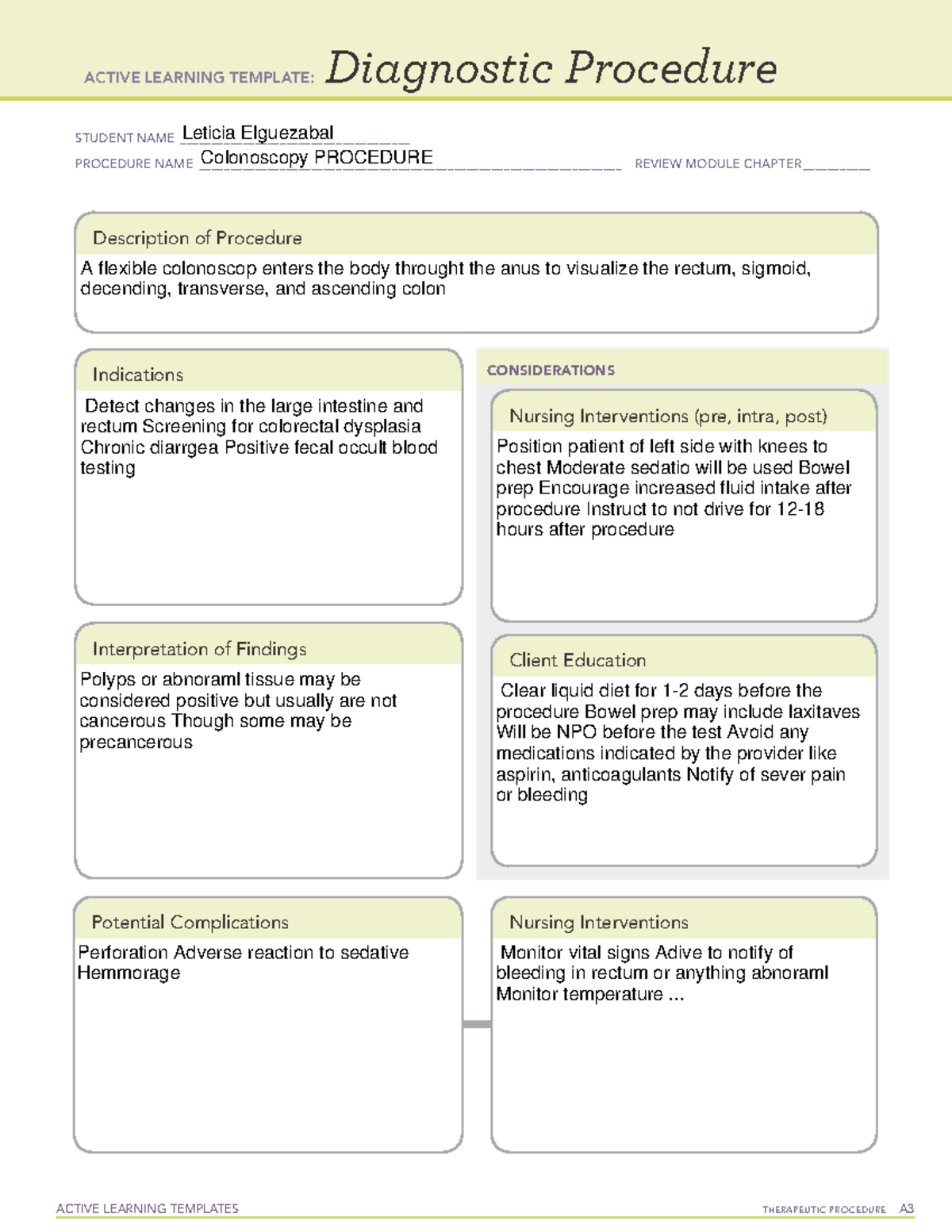
Colorectal cancer (CRC) represents a unique failure of risk management in modern medicine because it is almost entirely preventable through the mechanical interruption of its precursor states. The transition from a benign adenomatous polyp to an invasive adenocarcinoma generally follows a predictable decade-long timeline, providing a massive window for clinical intervention. While anecdotal accounts often focus on the discomfort of the "prep" or the surprise of the results, an objective analysis identifies the colonoscopy not as a medical event, but as a critical audit of a high-risk biological system. The efficacy of this audit is governed by three primary variables: the Adenoma Detection Rate (ADR) of the practitioner, the quality of luminal cleansing (prep), and the timing of the intervention relative to the biological shift in CRC incidence which has recently moved toward younger demographics.
The Shift in the Epidemiological Baseline
Traditional screening guidelines anchored on the age of 50 are now obsolete due to a documented increase in early-onset colorectal cancer. This shift necessitates a recalibration of "start dates" for screening. The biological mechanism behind this trend remains under investigation, with hypotheses ranging from microbiome dysbiosis to the cumulative metabolic load of processed diets, but the statistical reality is clear: a 45-year-old today faces a different risk profile than a 45-year-old in 1990.
The decision to undergo screening at 47—as seen in recent public narratives—is not an act of "early" adoption but a reactionary measure to a baseline that has already moved. When evaluating the necessity of a colonoscopy, the patient must view it through the lens of Lead-Time Bias. Detecting a polyp at 47 rather than 50 does not just provide three years of "knowledge"; it fundamentally alters the survival probability by removing the lesion before it crosses the basement membrane, where it gains access to the lymphatic system.
The Mechanical Logic of Polypectomy
A colonoscopy is a structural intervention disguised as a diagnostic test. Unlike a mammogram or a PSA test, which primarily identify the presence of potential disease for further biopsy, a colonoscopy allows for the immediate excision of the threat. The procedure operates on a Total Removal Mandate.
- Pedunculated Polyps: These possess a stalk, making them easier to identify and snare.
- Sessile Polyps: These are flat and grow against the wall of the colon. These are the "hidden risks" because they are easily missed if the bowel preparation is suboptimal.
- Serrated Lesions: Often found in the right (proximal) colon, these follow a different genetic pathway to malignancy and are notoriously difficult to visualize under standard white-light endoscopy.
The success of the procedure is quantified by the Adenoma Detection Rate (ADR). For every 1% increase in a physician’s ADR, the risk of interval colorectal cancer (cancer that appears between screenings) decreases by 3%. A patient’s primary objective in the selection of a gastroenterologist should be the verification of this metric. A "quick" procedure is often an ineffective one; the "withdrawal time"—the duration the physician spends looking for lesions as they remove the scope—should be at least six minutes, though eight to ten minutes is the gold standard for high-accuracy diagnostics.
The Three Pillars of Diagnostic Quality
The utility of the colonoscopy is not binary; it exists on a spectrum of quality. Three distinct factors determine whether the results are a "clean bill of health" or a false sense of security.
1. The Luminal Cleansing Efficacy (The Prep)
The colon must be entirely void of fecal matter to allow for the visualization of 1-2mm lesions. Poor preparation results in a "fair" or "poor" Boston Bowel Preparation Scale (BBPS) score. Anything less than a score of 8 or 9 across all three segments of the colon (right, transverse, left) significantly increases the probability of missed sessile serrated adenomas. The prep is the only variable the patient controls, yet it is the most frequent point of system failure.
2. Visualization Technology
The hardware used during the procedure dictates the resolution of the "audit." High-definition endoscopes combined with Narrow Band Imaging (NBI) allow for the visualization of vascular patterns that are invisible to the naked eye. NBI uses specific wavelengths of light (blue and green) that are absorbed by hemoglobin, highlighting the "pit pattern" of a polyp. This allows the doctor to differentiate between hyperplastic polyps (low risk) and adenomatous polyps (high risk) in real-time.
3. The Pathological Feedback Loop
Once a polyp is removed, the analysis shifts from the macro to the micro. The pathology report provides the definitive risk stratification.
- Low-grade dysplasia: The cells are disorganized but still resemble normal tissue.
- High-grade dysplasia: The cells are significantly mutated and are one step away from invasive cancer.
- Villous features: This indicates a higher likelihood of progression compared to simple tubular adenomas.
The Cost Function of Avoidance
The primary barrier to colonoscopy adoption is the perceived "grossness" or "inconvenience" of the preparation. This is a classic case of Hyperbolic Discounting, where a person overvalues the immediate discomfort of a 24-hour liquid diet and laxative regimen while undervaluing the massive future benefit of avoiding stage IV oncology treatments.
From a strategy perspective, the "cost" of a colonoscopy (time, prep discomfort, co-pay) is a one-time fixed cost. The "cost" of a missed diagnosis is a variable, compounding expense that includes surgical resection, chemotherapy, lost productivity, and potential mortality. The Return on Investment (ROI) of a colonoscopy is highest when performed at the earliest recommended interval because it maximizes the "prevention runway."
Structural Limitations and Risks
No diagnostic tool is perfect. A colonoscopy is an invasive procedure with a non-zero risk profile.
- Perforation: The risk is approximately 1 in 1,000 procedures. This occurs when the scope or an instrument pierces the bowel wall.
- Post-Polypectomy Bleeding: This can occur up to two weeks after the procedure as the cauterized site heals.
- Miss Rate: Even with a high ADR, the miss rate for small adenomas is estimated at 6-27%. This is why the recommended follow-up interval (e.g., 3, 5, or 10 years) is so critical. These intervals are designed to catch what was missed or what has grown since the last audit before it becomes symptomatic.
Strategic Recommendation for Risk Management
Patients should stop viewing the colonoscopy as a "rite of passage" for aging and start viewing it as a technical audit of a biological system. To optimize this audit, the following protocol should be implemented:
- Provider Vetting: Demand the physician’s Adenoma Detection Rate (ADR). If it is below 25% for men and 15% for women (the minimum benchmarks), seek a different provider. Aim for a provider with an ADR above 35%.
- Split-Dose Prep: Do not take the entire laxative solution the night before. Taking half the night before and half 4-6 hours before the procedure is clinically proven to result in a cleaner colon and higher detection rates in the right colon.
- Pathology Integration: If polyps are found, obtain the full pathology report. Use the specific findings (size, number, and type of dysplasia) to dictate your own surveillance schedule rather than relying on a generic "see you in ten years" recommendation.
The biological reality is that most colon cancers are optional. They are the result of a known precursor that was allowed to remain in the body due to a failure in the screening frequency or the diagnostic quality. Transitioning from a reactive to a proactive diagnostic stance involves neutralizing the "prep" stigma and focusing entirely on the technical variables that ensure a thorough mechanical sweep of the colon.
The final strategic move for any individual over 45 is to schedule the procedure not based on a birthday milestone, but as a mandatory system update. If the result is "clean," the reward is a reset of the clock; if polyps are found, the reward is the immediate termination of a localized threat. In both scenarios, the data gained outweighs the temporary operational downtime of the procedure.
Would you like me to generate a checklist of specific questions to ask your gastroenterologist to ensure you receive a high-ADR screening?