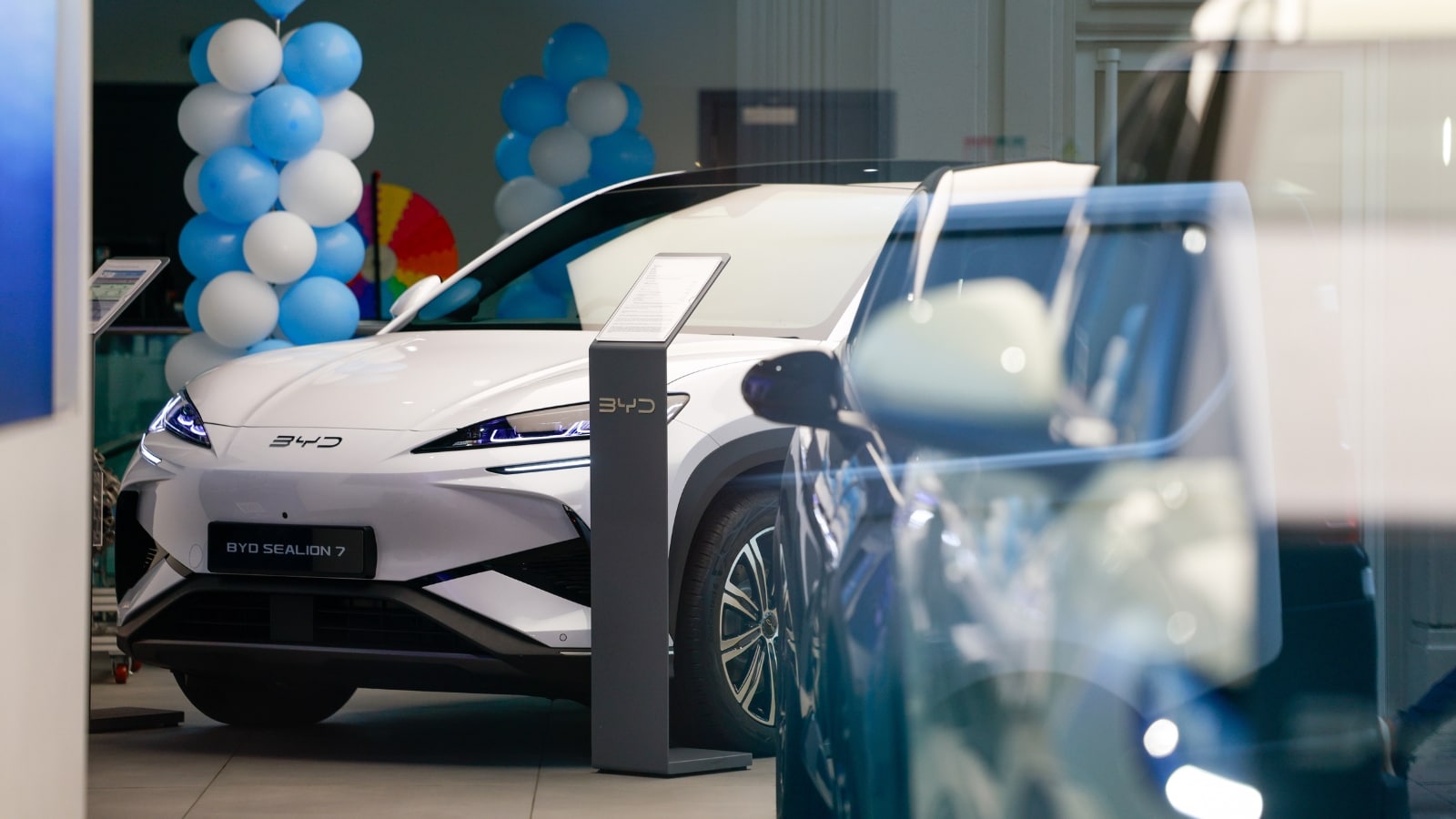
Panic has officially seized Whitehall. Recent headlines hyperventilate over a simple statistic: nearly a quarter of all new car sales in the United Kingdom now trace their lineage back to Chinese automotive brands. Fleet managers, legacy executives, and protectionist bureaucrats are clutching their pearls, demanding immediate import duties, punitive tariffs, and regulatory walls to hold back the tide. The lazy consensus in Westminster is that if you tariff the imports, you save domestic jobs.
It is a comforting delusion for people who have not spent a single afternoon inside a modern Shanghai EV facility.
Tariffing Chinese electric vehicles will not protect Western automotive manufacturing. It will sign its death warrant. By shielding bloated legacy incumbents from brutal, merciless competition, governments are effectively putting their own industries on life support while pulling the plug on innovation.
I have watched legacy manufacturers burn billions of dollars trying to reverse-engineer software stacks that Chinese startups built, iterated, and perfected three years ago. Throwing a thirty percent tariff wall around failing factories does not magically make legacy engineering agile, nor does it compress a four-year vehicle development cycle down to eighteen months. It merely buys incumbent executives time to waste more capital on legacy bureaucracy.
To understand why protectionism is a suicide pact, we need to look past the political theatre and examine how the global automotive market actually operates.
For decades, the Western auto industry operated on a cozy, oligopolistic rhythm. You designed a car, outsourced the components to a tier-one supplier, baked a comfortable fifty percent margin into the dealer network, and spent fifty million dollars on prime-time television commercials telling consumers about their emotional connection to the road. That world is dead.
Chinese manufacturers did not capture twenty-three percent of the market by accident or through unfair state subsidies alone. They won because they vertically integrated battery production, mastered software-defined vehicle architecture, and treated the automobile not as an internal combustion engine wrapped in sheet metal, but as a consumer electronics device on wheels.
When a legacy automaker tells you they cannot build an affordable electric vehicle because battery costs are too high, they are admitting to a supply chain failure. Chinese firms own the lithium-iron-phosphate chemistry, the raw material refining, and the semiconductor fabrication plants. They squeezed the friction out of the supply chain while Western executives were busy paying out stock buybacks and dividends.
Now, policymakers want to penalize consumers for buying superior, cheaper technology under the guise of national security. Let us call this argument what it is: corporate welfare for the incompetent.
If the United Kingdom slaps heavy tariffs on Chinese EVs, the immediate domestic consequence will not be a glorious renaissance for British manufacturing. The immediate consequence will be a massive tax on the working class. The average car buyer is already squeezed to their financial limit. Stripping affordable electric options from the showroom floor forces buyers into aging petrol vehicles or overpriced, legacy-built electric models that bleed depreciation the second they roll off the forelot.
Furthermore, retaliatory measures are inevitable. British aerospace, luxury goods, and financial services will find themselves in the crosshairs of Beijing regulators. You cannot lock your front door to the world's largest automotive manufacturing powerhouse and expect them to keep buying your exports.
The Western automotive sector faces a stark binary choice. You can adapt, or you can die. Tariffs only alter the speed of the execution.
Look at what happens when companies are forced to compete without a safety net. The most successful Western firms of the next decade will not be the ones that lobby parliament for protection; they will be the ones that radically restructure their cost bases, abandon legacy dealership models, and accept that the old playbook is burning to ashes.
When you look at the raw engineering data, the gap is not just financial; it is cultural. Western boardrooms are run by finance and legal teams terrified of brand dilution. Chinese tech companies are run by hardware and software engineers willing to launch, fail, and iterate every ninety days. You cannot tariff your way out of a cultural deficit.
The twenty-three percent market share figure should not be treated as a threat assessment. It should be treated as an autopsy report for the domestic status quo.
Stop asking how to keep foreign competitors out of the showroom. Start asking why domestic boardrooms spent twenty years outsourcing their manufacturing competence to the lowest bidder while paying themselves eight-figure bonuses.
The market has rendered its verdict. Protectionist walls are just sandcastles against a tsunami. Adapt or become a museum piece.