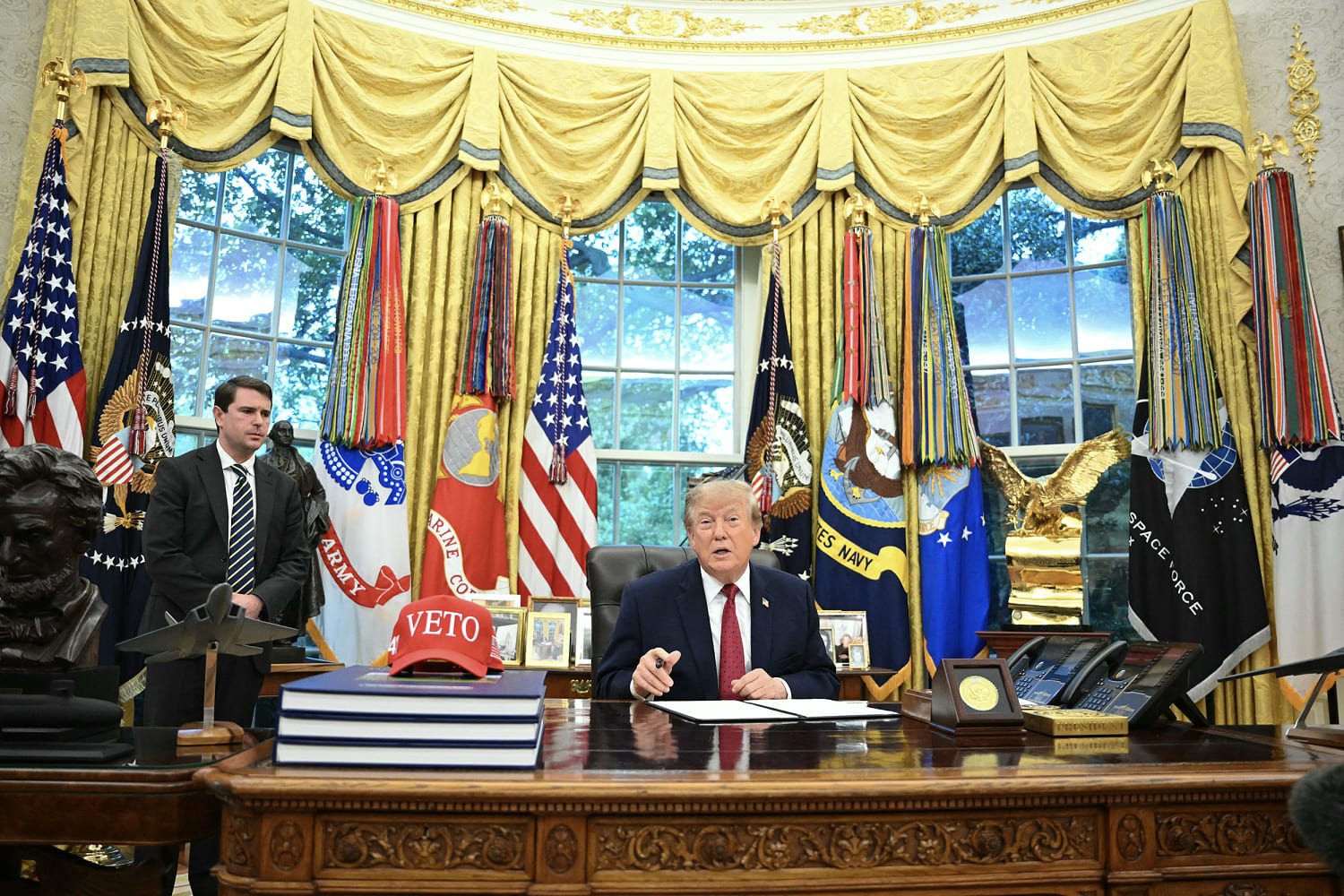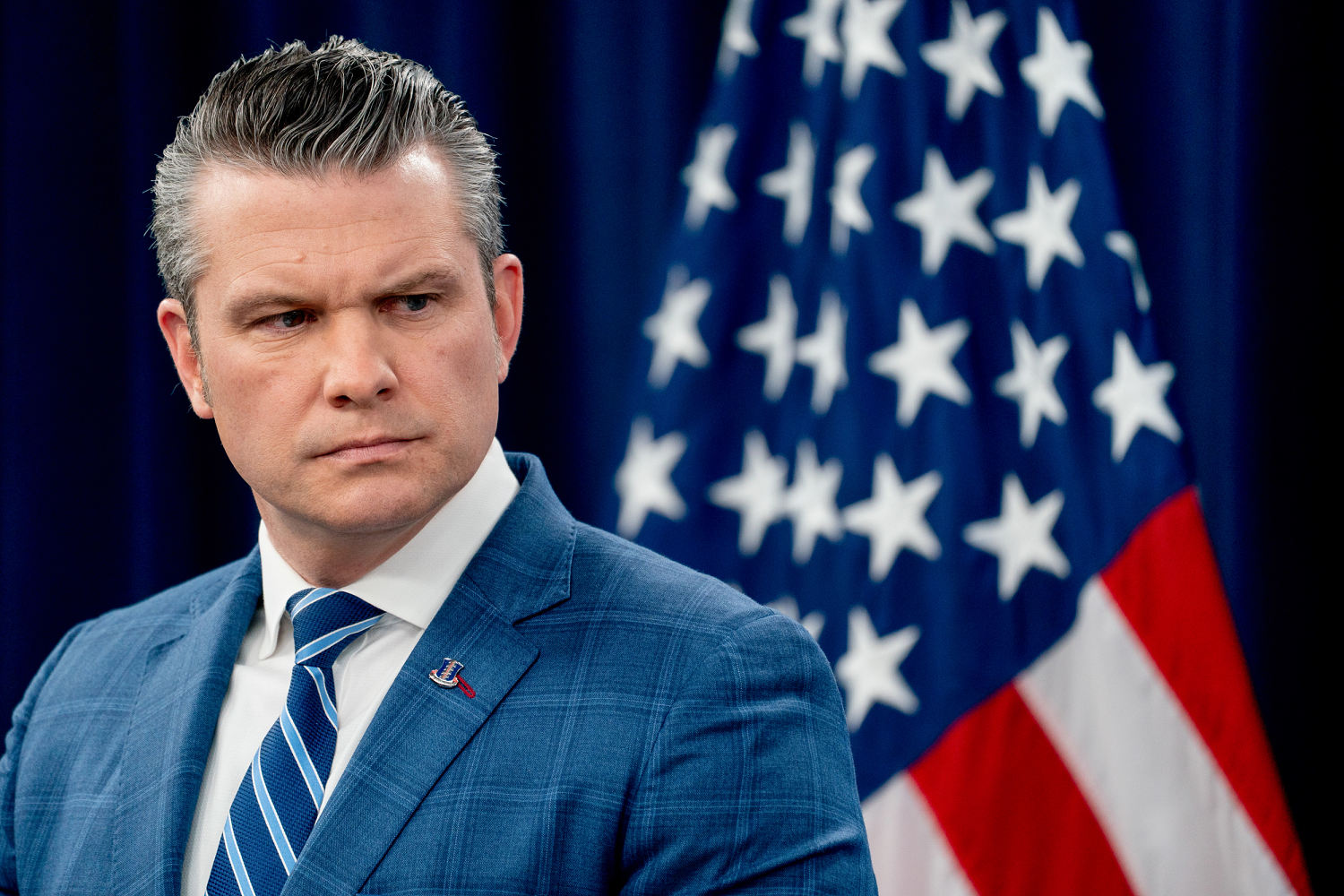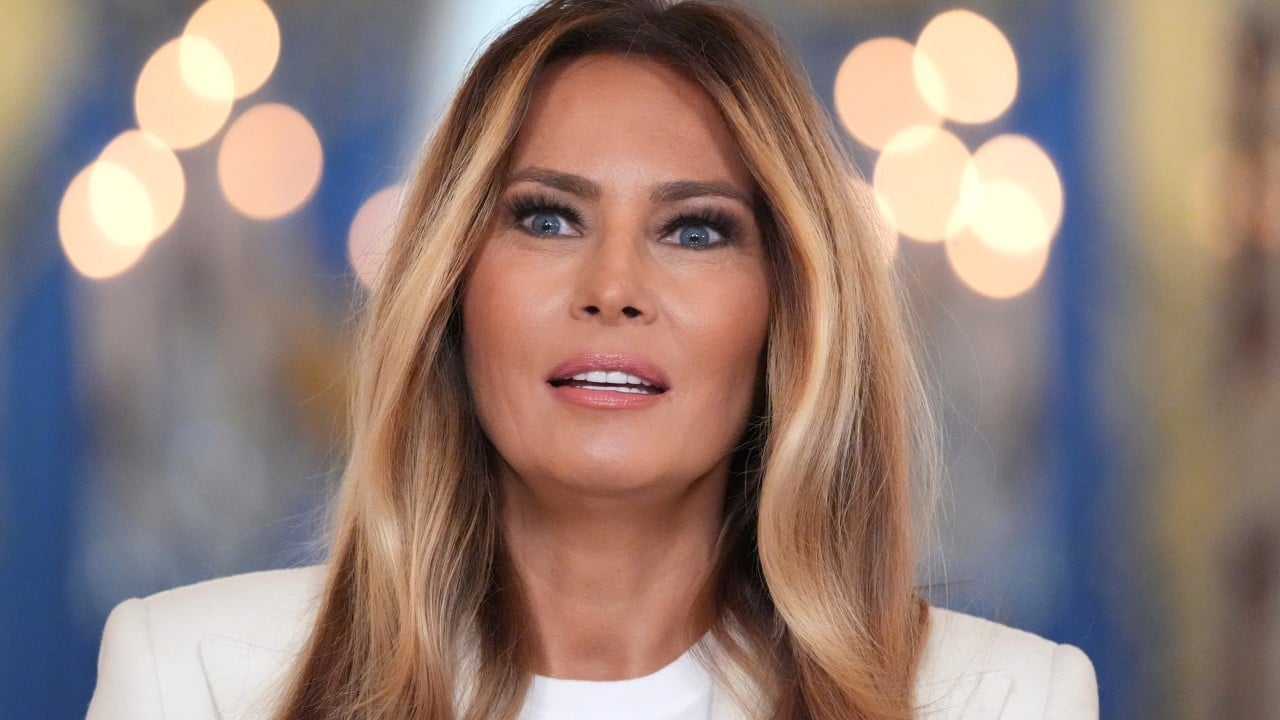
Silence.
In diplomacy, silence is rarely peaceful; it is usually the tense, suffocating pause before an artillery barrage or the cold wall erected between two envoys who have run out of polite ways to say no. Yet, on a crisp afternoon inside the private quarters of the White House, a different kind of quiet settled over a heavy mahogany table—the sound of porcelain teacups meeting saucers, and the hesitant breathing of enemies forced to share the same air.
When news broke that First Lady Melania Trump had hosted officials from both Ukraine and Russia, calling for a "more enduring" truce, the conventional political machinery reacted with predictable whiplash. Pundits dissected the protocol. Analysts questioned the chain of command. Critics wondered aloud what business a First Lady—historically relegated to choosing china patterns, championing childhood literacy, and standing beside visiting dignitaries—had inserting herself into the bloodiest European land war since 1945.
They were looking at the map, entirely missing the territory.
To understand what actually happened in that room, you have to step away from the briefing books in Washington and travel thousands of miles east, to a half-collapsed basement in Pokrovsk or a chilly apartment block in Kursk. Imagine a woman—let’s call her Olena, a hypothetical composite of the millions of mothers caught in the grinder of Eastern Europe. Olena does not care about geopolitical spheres of influence, NATO expansion theories, or the precise diplomatic rank of whoever pours the tea in Washington. She cares about whether the siren will wail at three in the morning. She cares about whether a temporary ceasefire means her son can walk to school without stepping over unexploded ordnance, or whether "temporary" is just a cynical pause allowing both armies to reload their magazines.
For years, the world has treated ceasefires like a faucet—something to be turned on for a holiday, a prisoner swap, or a grain shipment, and then abruptly twisted shut when the tactical advantage shifts. A temporary truce is a cruel tease. It offers just enough light to remind people what normalcy looks like, right before plunging them back into the dark.
That is the invisible weight that sat between the Ukrainian and Russian representatives when they walked past the portraits of past presidents and sat down with Melania Trump.
The Anatomy of the Unofficial Room
There is a well-documented phenomenon in conflict resolution known as Track Two diplomacy—or, in more nuanced cases, Track One-and-a-Half. When official channels freeze over, choked by public posturing and the fear of looking weak before domestic audiences, backchannels become the only viable oxygen supply. A foreign minister cannot easily soften a maximalist demand in front of a bank of television cameras; doing so is political suicide. A president cannot suddenly pivot from vows of total victory to discussions of compromise without risking a revolt from hardliners at home.
Enter the spouse.
Throughout modern history, First Ladies have occasionally stepped out of the ceremonial frame to act as unconventional shock absorbers in global crises. Eleanor Roosevelt navigated the treacherous waters of early United Nations human rights debates when American diplomats were hamstrung by Cold War paranoia. Nancy Reagan quietly worked behind the scenes to soften her husband’s rhetoric toward Mikhail Gorbachev, recognizing that human connection had to precede nuclear disarmament. Rosalynn Carter flew to Latin America as a substantive emissary, absorbing the fury of dictators and reformers alike so the official administration could maintain plausible deniability while gathering raw intelligence.
Still, hosting active belligerents from Moscow and Kyiv under the same roof carries a distinct, sharp-edged gravity. Melania Trump is not a career diplomat. She does not hold a security clearance granted by decades in the State Department, nor does she command battalions. What she possesses, however, is a rare cultural fluency that almost no native-born Washington insider can replicate.
Born in Sevnica, Slovenia, during the twilight of Yugoslavia, she grew up in the shadow of the Iron Curtain. She remembers a world where borders were rigid, where ideological blocs dictated the daily reality of ordinary families, and where the disintegration of a federation could turn neighbors into mortal enemies overnight. When she looks across a table at a Slavic official—whether from Kyiv or Moscow—she is not reading a dossier prepared by an intelligence analyst. She understands the cadence, the stoicism, the deep historical fatalism, and the fierce pride baked into the region's DNA.
Consider what happens next when the cameras are turned off and the heavy doors close.
Without the formal podiums, the conversation shifts from grand historical grievances to immediate, granular human costs. When Melania Trump reportedly pressed both sides on the necessity of a "more enduring" truce, she was pointing directly at the fatal flaw of every previous negotiation attempt: the lack of structural trust. You cannot build a house on a fault line, and you cannot build peace on a forty-eight-hour pause in shelling.
Why "Temporary" Is a Broken Promise
To grasp why the distinction between a fleeting ceasefire and an enduring truce matters so deeply, think of a broken bone that has been poorly set. Every time a short-term truce collapses—as they have repeatedly along the Donbas front—the fracture breaks open again, worse than before. Each failed agreement calcifies the cynicism on both sides. Soldiers stop believing the orders to hold fire. Civilians stop emerging from their shelters. Mediators lose credibility.
Let’s look at the cold, hard math of modern attrition warfare. Since the full-scale invasion began in February 2022, hundreds of thousands of casualties have been recorded across both armies. Entire cities—Bakhmut, Mariupol, Avdiivka—have been reduced to gray lunar landscapes of pulverized concrete and twisted rebar. Millions of Ukrainians remain displaced across Europe, their lives suspended in a bureaucratic limbo, while Russia’s economy has warped entirely around military production, trading long-term prosperity for short-term battlefield momentum.
In this environment, a simple cessation of hostilities without a durable framework is merely an intermission. Military strategists know this; during brief pauses, reconnaissance drones still hum overhead, trenches are reinforced with fresh concrete, and logistics trains run overtime to stockpile shells. Both Kyiv and Moscow have valid, deeply ingrained fears about being tricked by a phantom peace. Ukraine fears that freezing the conflict now simply hands Russia time to rebuild its battered armored divisions for a third invasion a few years down the road. Russia fears that any pause not backed by ironclad guarantees will allow Western allies to rearm Ukraine to the teeth.
It is a terrifying deadlock. Honestly, looking at the sheer volume of blood spilled and the irreconcilable public stances of both capitals, it is completely understandable to feel a wave of exhaustion—even hopelessness—when another headline announces talks of a truce. We have heard the words "ceasefire" and "peace talks" recycled so many times since 2022 that they have begun to lose their meaning, sounding more like diplomatic white noise than a real lifeline.
Yet, history shows that wars rarely end because one side suddenly experiences a moral awakening. They end when the unbearable cost of continuing meets a face-saving off-ramp that neither side could have built on its own.
The Architecture of a Different Conversation
By stepping into the role of host, Melania Trump altered the psychological geometry of the room. In traditional diplomatic summits, the setting itself is a weapon. Tables are measured to the millimeter. Flags are positioned to assert dominance. Every seating arrangement is a subtle humiliation or a calculated elevation.
A private residence changes the rules of engagement. It strips away the institutional armor. When you sit in a living room rather than a war room, the performance of toughness becomes awkward, almost absurd. You are forced to speak at a conversational volume. You are forced to make eye contact across a relatively narrow space.
Inside that dynamic, calling for a "more enduring" truce serves a very specific strategic purpose. It signals to both Moscow and Kyiv that the highest levels of American influence are no longer interested in cosmetic pauses designed to generate a favorable news cycle for forty-eight hours. It demands substance: verification mechanisms, clear demarcation protocols, the immediate return of displaced children and prisoners of war, and guarantees that the silence of the guns will last long enough for genuine political negotiations to breathe.
For Ukraine, the stakes of such a framing are existential. A durable truce is the only environment in which battered infrastructure can be repaired before another brutal winter sets in, and where the millions of refugees—women like our hypothetical Olena, who has spent years living out of a suitcase in Warsaw or Berlin—can even begin to contemplate coming home. Without durability, reconstruction is just building targets for next spring's missile strikes.
For Russian officials, sitting in the White House residence offers something equally potent, though rarely admitted publicly: a direct, unfiltered channel to the center of Western power without the humiliating optics of begging for relief from sanctions or admitting battlefield fatigue. It allows them to test the waters of compromise in a space where nothing is immediately leaked to the press corps waiting on the North Lawn.
Beyond the Protocol Panic
Of course, the critics in Washington and European capitals have a point worth examining. Foreign policy conducted outside standard bureaucratic guardrails carries real risks. Career diplomats spend lifetimes mastering the precise legal phrasing of treaties because a single ambiguous comma can spark a fresh conflict ten years later. Bypassing the State Department can lead to mixed signals, confusion among allies, and the danger that seasoned authoritarian negotiators might exploit an unconventional host’s desire for a breakthrough.
Those doubts are valid. Diplomacy is not a parlor game, and good intentions do not neutralize ballistic missiles.
Yet, when the standard playbook has produced three years of trench warfare, devastated a generation of young men, and pushed the world perilously close to direct superpower confrontation, clinging blindly to protocol starts to look less like wisdom and more like paralysis. Sometimes, the very fact that an envoy stands outside the formal apparatus is what gives them leverage. They are not bound by the talking points that failed last month. They can ask the naive, blunt questions that seasoned diplomats have been trained to avoid—questions like How many more winters do you actually intend to do this? and What will it take for the guns to stay quiet for good?
The image of that meeting lingers precisely because it disrupts our expectations of how power operates. We are accustomed to seeing war managed by men in dark suits standing beside maps covered in red arrows, speaking in the sterile vocabulary of "attrition rates," "buffer zones," and "strategic depth." We rarely see it addressed through the lens of permanence—the simple, stubborn insistence that peace should not have an expiration date printed on the back.
Whether that afternoon in the White House becomes a historical footnote or the quiet hinge upon which a brutal war finally turns remains to be seen. Treaties are not signed over teacups, and deep hatreds do not evaporate because the furniture is comfortable.
Still, somewhere along the fractured borderlands of Eastern Europe, the wind blows across silent, cratered fields where two armies sit a few hundred yards apart in the mud, waiting for orders. In the towns behind them, mothers stand by darkened windows, listening to the night sky, praying that the next time the guns go quiet, nobody gives the command to start them up again.