Horse racing isn't just a weekend gambling habit in Hong Kong. It's a massive economic engine. Now, there's a serious push to take this multi-billion-dollar machine and scale it across the border. The Hong Kong Jockey Club just submitted a bold blueprint for the city's first Five-Year Plan covering 2026 to 2030, and the headline is clear: it's time to transform the Guangdong-Hong Kong-Macao Greater Bay Area into a unified global equine hub.
If you think this is just about adding more race days, you're missing the bigger picture. This is a massive play to capture high-value sports tourism and build a cross-border equine industry from scratch.
The Three-Track Strategy Shifting Asian Sports Travel
For decades, Hong Kong racing lived within its own borders. Sha Tin and Happy Valley were the twin centers of the action. But the future relies on a triangle. By linking these iconic tracks with the massive Conghua Racecourse in Guangzhou, the region is creating a unified racing tourism circuit.
This isn't a hypothetical plan for the distant future. The infrastructure is already built, and regular race meetings are scheduled to kick off at Conghua. The Jockey Club has built a brand-new grandstand in Conghua capable of holding 8,000 spectators.
What makes this tricky—and fascinating—is the regulatory gymnastics required to pull it off. You can't just load millions of dollars worth of elite thoroughbreds into a trailer and drive them across a hard international border without insane amounts of red tape. The solution has been the creation of a permanent biosecurity, disease-free zone that allows horses to travel between Sha Tin and Conghua in specialized cross-boundary floats.
The new proposal pushes to expand these strict biosecurity protocols even further into the mainland, hitting regions like Xinjiang, which have deep historical roots in horse culture.
Why Tourists Are Flooding the Gates
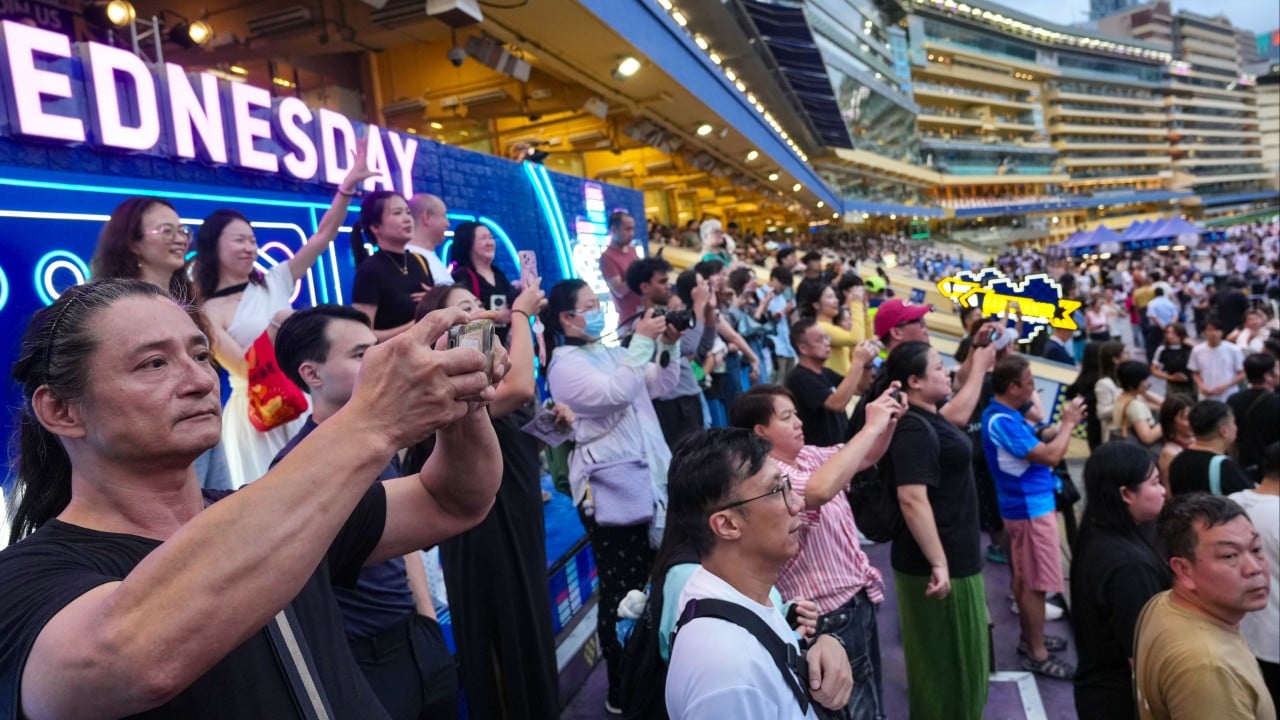
The appetite for this is already proven. Look at the numbers from the Year of the Horse Raceday at Sha Tin, which brought in a record-breaking 20,395 tourists in a single day. Five separate race days over the recent season attracted more than 10,000 international and mainland visitors each.
Tourists aren't just looking to place a bet. In fact, the upcoming races at Conghua won't even feature sports wagering. Instead, the draw is pure entertainment, culture, and high-end lifestyle experiences.
To capture a younger, wealthier demographic, tracks are moving away from the old-school gambling den vibe. New digital entertainment hubs like Genso at Sha Tin offer four floors of digital dining and immersive environments. By mixing horse racing with other major sporting events—like rugby, golf, and football festivals—Hong Kong is anchoring itself as the undisputed events capital of Asia.
Partnerships with major travel groups, including China Tourism Group, mean that horse racing is now being baked directly into regional holiday packages and tour itineraries. You don't just visit Guangzhou or Hong Kong for shopping anymore; you go for the weekend races.
Building an Industry Beyond the Track
The real money isn't just in ticket sales or hotel bookings. The ultimate goal over the next decade is to own the entire equine value chain across southern China.
Right now, a major bottleneck is talent and institutional alignment. The Jockey Club's blueprint addresses this by pushing for the mutual recognition of veterinary qualifications across the border. Plans are also on the table to set up new clinical veterinary training centers in tech hubs like Shenzhen and Dongguan, partnering with local universities to build a pipeline of home-grown talent.
Furthermore, the club is advocating to establish a World Organisation for Animal Health collaboration center right in Hong Kong. This would cement the city as the absolute authority on regional veterinary public health, giving it the political and institutional leverage to dictate how the industry grows across Asia.
What Needs to Happen Next
If you're looking to capitalize on this massive shift, keep your eyes on the operational changes over the next twelve months.
First, watch the launch of the regular race meetings in Conghua. This will be the ultimate test of whether mainland audiences will embrace non-wagering racing entertainment at scale.
Second, monitor the integration of cross-border travel permits and logistics. The speed at which customs can clear horses and high-spending tour groups will dictate how fast this tourism circuit grows.
For businesses in hospitality, sports entertainment, and regional tourism, the message is clear: stop treating Hong Kong and the mainland as separate markets. The equine industry is blending them together, and the smartest players are already booking their spots at the track.