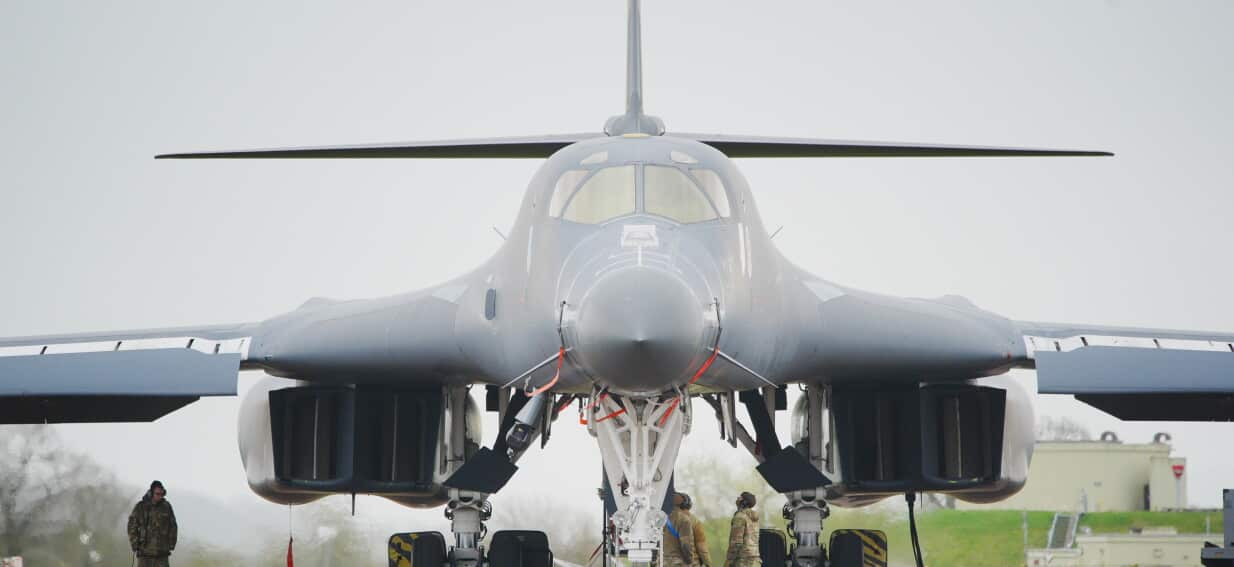
When armed police and bomb disposal units locked down quiet lanes around RAF Fairford in late September, locals didn't expect a quiet administrative follow-up a few weeks later. Yet on October 20, UK counter-terrorism officers rearrested two men in connection with the suspected plot at the Gloucestershire airbase, shifting the focus from initial emergency containment to espionage allegations tied to Iran.
Anyone searching for news on this case usually wants two things straight away. First, what actually happened when UK police rearrested two men in the airbase case amid Iran spy allegations? Second, how much of this is proven statecraft versus messy, evolving detective work? Recently making news lately: The Quiet Refusal at the Border.
Here's the blunt truth: the rearrests are real, the National Security Act charges that followed in late October are real, and US prosecutors have linked the September Fairford episode to a wider alleged Iran-backed plot. At the same time, British police have had to correct early statements, suspects were initially released on bail, and Tehran flatly denies involvement. Treat fast-moving counter-terrorism headlines like raw intelligence rather than a finished verdict.
How the RAF Fairford Case Shifted From Bail to Rearrests
To understand why UK police rearrested two men in the airbase case amid Iran spy allegations, you have to trace the timeline. A single arrest headline makes it sound like detectives had an airtight case from hour one. They didn't. More information into this topic are explored by BBC News.
In late September 2026, a major security incident unfolded near RAF Fairford in Gloucestershire, a Royal Air Force base in western England used by US forces and linked to American bomber operations during the 2026 conflict involving Iran. Police reported recovering a quantity of petrol, evacuated nearby residents, set up roadblocks, and made initial arrests connected to the scare. One suspect was initially detained on September 27, with another picked up on October 1 as the dual UK-Iranian dimension came into view.
Then came a twist that surprises people who only skim wire alerts. Several suspects were released on police bail with strict conditions while investigators combed through evidence. On October 20, two men were rearrested on suspicion of assisting a foreign intelligence service over the suspected plot at the base. By October 27, Counter Terrorism Policing announced that two men—a 24-year-old UK national and a 25-year-old dual UK-Iranian national, both from London's Borough of Westminster—had been charged under the National Security Act.
Why Police Release Suspects on Bail and Rearrest Them Later
From the outside, arresting someone, putting them on bail, and rearresting them weeks later looks like whiplash. In high-stakes counter-terrorism work, it's pretty common.
Digital forensics, financial trails, and cross-border intelligence don't clear in twenty-four hours. When officers release suspects on conditional bail, they aren't necessarily walking away; they're buying time to examine phones, travel records, and communications without blowing an investigation or holding people indefinitely before charges are ready. Rearresting suspects allows police to question them again once new pieces line up.
I've watched plenty of security stories get distorted because readers confuse an arrest—or even a charge—with a conviction. Charges mean prosecutors believe there's enough evidence to put a case before a court. They don't prove every geopolitical theory floated on cable news.
What Iran's Alleged Espionage Playbook Actually Looks Like
British security officials haven't treated the Fairford scare as an isolated fluke. MI5 head Ken McCallum warned that Tehran has been trying to push its activity in Britain beyond harassing or targeting Iranian dissidents and critics, noting more than 50 arrests over Iran-linked plots in the past year. US officials, including FBI Director Kash Patel, have also pointed to broader alleged Iranian-backed plotting across Europe and the United States, with US prosecutors tying three accused operatives to plots including the September Fairford incident.
What stands out in recent UK cases isn't a Hollywood James Bond operation. It's often scrappier and more outsourced than people imagine.
- Proxies and deniability: Police and security officials have highlighted the risk of foreign states using intermediaries or individuals—knowingly or unknowingly—to carry out reconnaissance or disruption. Distance gives a state plausible deniability when things go sideways.
- Everyday tools for surveillance: In separate London prosecutions involving men convicted of helping Iranian intelligence track Iran International journalists, police revealed that defendants gathered open-source details—including social media and career background—using tools like ChatGPT alongside physical reconnaissance of addresses and vehicles.
- High-value military symbolism: Targeting or probing an airbase hosting US assets sends a loud signal even if an operational plan is rough or disrupted early.
Meanwhile, Iran's embassy in London and Iranian officials have rejected the accusations, calling links between Tehran and the incident unfounded and malicious. That denial isn't surprising—states routinely deny covert operations—but keeping both sides' public positions clear helps separate intelligence assessments from settled facts.
A Quick Reality Check on "Spy" Labels
Media shorthand loves the word "spy," yet legal charges under the National Security Act can cover assisting a foreign intelligence service, preparatory acts, or foreign interference that looks different from classic Cold War dead drops. Even within the broader wave of UK reporting, cases overlap in messy ways: separate espionage convictions in London involved surveillance of journalists, while US and UK authorities have also flagged separate foreign-influence concerns in November 2026.
Lumping every headline into one neat bucket makes the picture sound simpler than it is. Counter Terrorism Policing itself had to issue a correction early in the Fairford investigation after wrongly stating a second man had been questioned under caution. Acknowledging that kind of mistake builds trust; pretending the fog of war doesn't exist during an active probe does the opposite.
The Mistakes People Make Following Airbase Security Stories
When a story mixes military bases, Iran, spy allegations, and rearrests, two predictable traps show up in comment sections and group chats.
First, people jump straight from an operational scare to assuming a full-scale military strike was imminent. Security perimeters, evacuations, and petrol recoveries are serious enough to warrant heavy police response and public caution without meaning a base was minutes from total destruction.
Second, folks treat early leaks and political remarks as courtroom proof. Statements from officials on both sides carry strategic weight, and courts test claims under strict evidentiary rules—sometimes acquitting one defendant while convicting others, or dropping false leads along the way.
If you're tracking this story or writing about national security developments, a few habits keep you grounded:
- Read official police and court updates directly: Check Counter Terrorism Policing UK for exact wording on arrests, bail, and charges rather than relying on secondhand summaries.
- Separate charges from convictions: Note clearly when someone is arrested, rearrested, charged under the National Security Act, or found guilty in court.
- Watch for corrections: When agencies amend timelines or details—as happened in the Fairford inquiry—update your mental model instead of clinging to day-one headlines.
- Look for cross-border corroboration: Compare UK counter-terrorism releases with US Justice Department or intelligence statements to see where investigators see shared threads and where details remain distinct.


