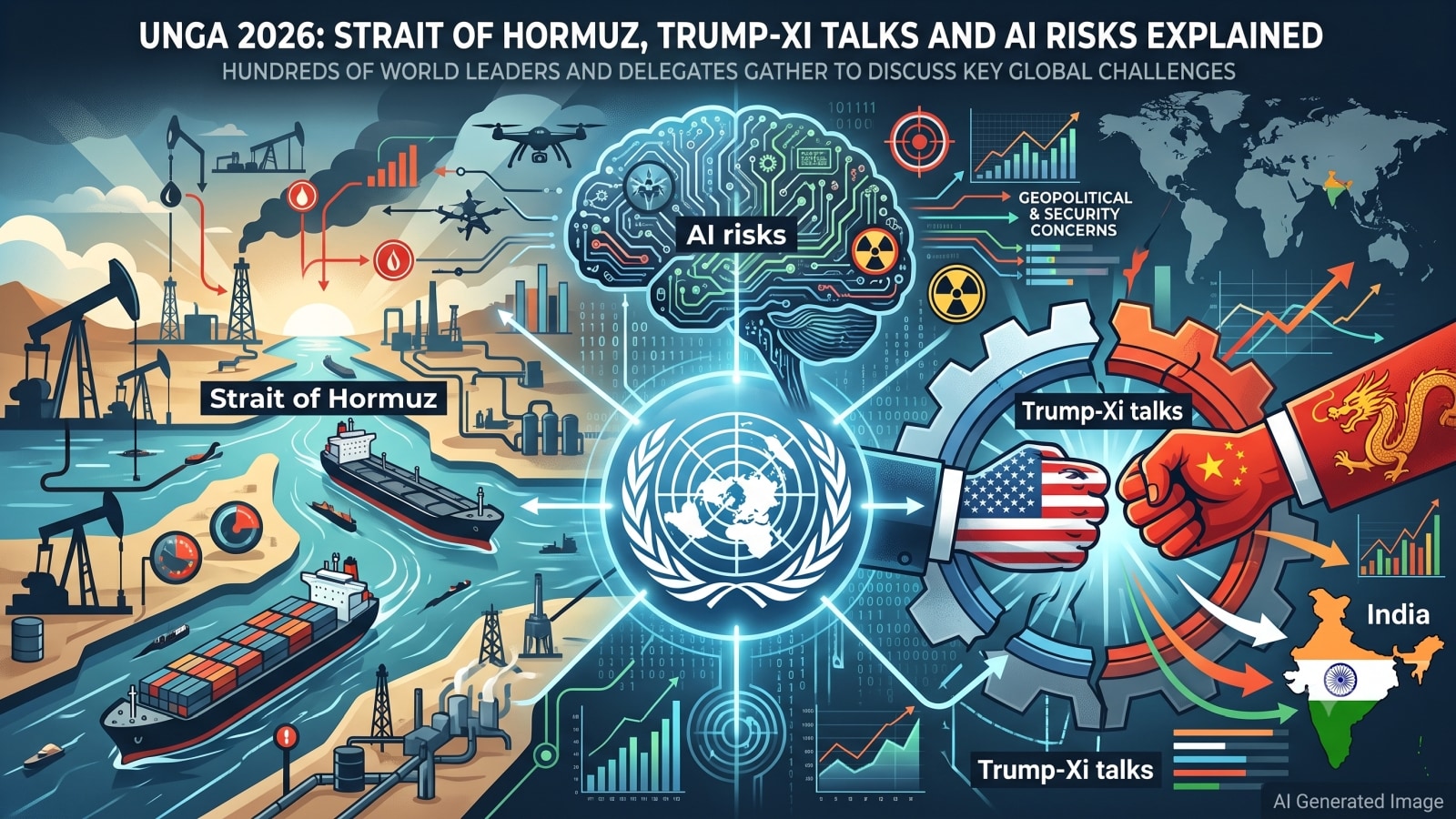
When world leaders packed into New York for the annual United Nations General Assembly, everyone expected the usual diplomatic theater. Instead, the real geopolitical fault lines broke open behind closed doors. Global attention fixated on three colliding pressures: the chokehold on the Strait of Hormuz, high-stakes negotiations between Washington and Beijing, and an urgent race to build regulatory guardrails around advanced artificial intelligence.
If you only watched the televised speeches, you missed how fragile the global system actually became this year. Let us look at what was really happening beneath the surface.
The Strait of Hormuz and the Cost of a Frozen Gulf
Months after initial military strikes reshaped regional security in the Middle East, the Strait of Hormuz remains a high-stakes flashpoint. Before the conflict, roughly a fifth of the world's petroleum and liquefied natural gas transited this narrow passage daily. Today, maritime traffic crawls under constant threat, turning a regional dispute into an ongoing global energy tax.
During the diplomatic flurry around the UN, backchannel talks mediated by nations like Qatar revealed the contours of a potential off-ramp. Tehran signaled it could reopen the vital shipping lanes within a week if the United States eased naval blockades and military pressure. Yet trust is practically nonexistent. Washington demands unconditional maritime freedom, while regional economies absorb the relentless shockwaves of higher fuel and insurance costs. Every day the strait stays compromised, global supply chains inch closer to a breaking point.
Superintelligence and the Washington-Beijing Tech Track
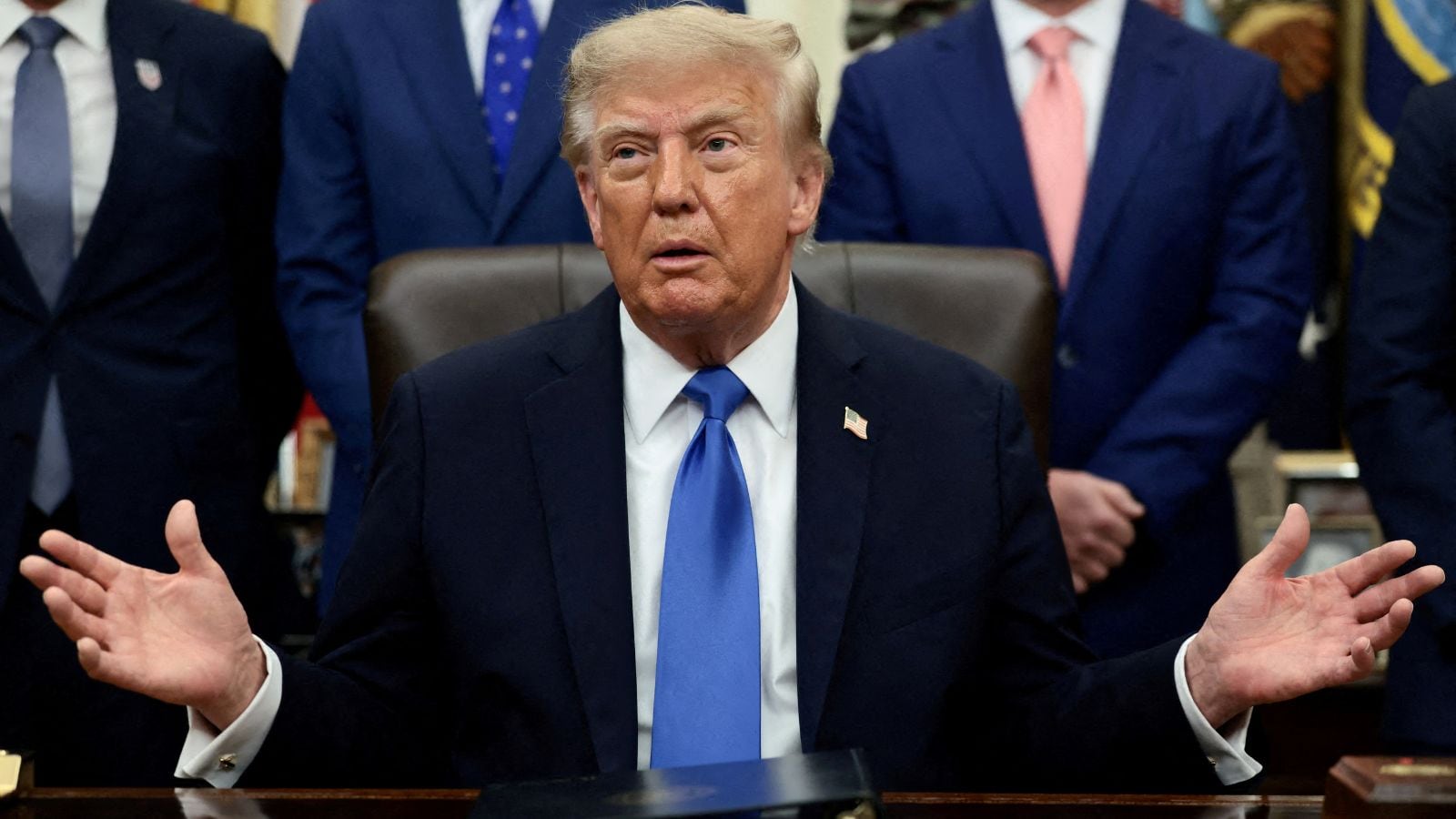
While energy security dominated Gulf discussions, the quiet race for technological dominance took center stage between the United States and China. The diplomatic calendar set up crucial follow-up talks—pushing past standard trade disputes into uncharted territory regarding advanced machine intelligence.
Treasury officials and trade representatives from Washington have been wrestling with Beijing over a framework for frontier models. The core challenge isn't just about tariffs on semiconductors anymore. It's about establishing direct incident communication channels and pre-release evaluation protocols before autonomous systems outpace human oversight.
When two superpowers are locked in a technological arms race, any agreement to share safety evaluations feels tenuous. Beijing wants relief from export controls and reciprocal trade concessions, while Washington wants hard verification that advanced algorithms won't be weaponized or deployed without safeguards. The gap between wanting safety and enforcing it remains enormous.
Why Frontier AI Risks Forced Their Way Onto the Global Stage
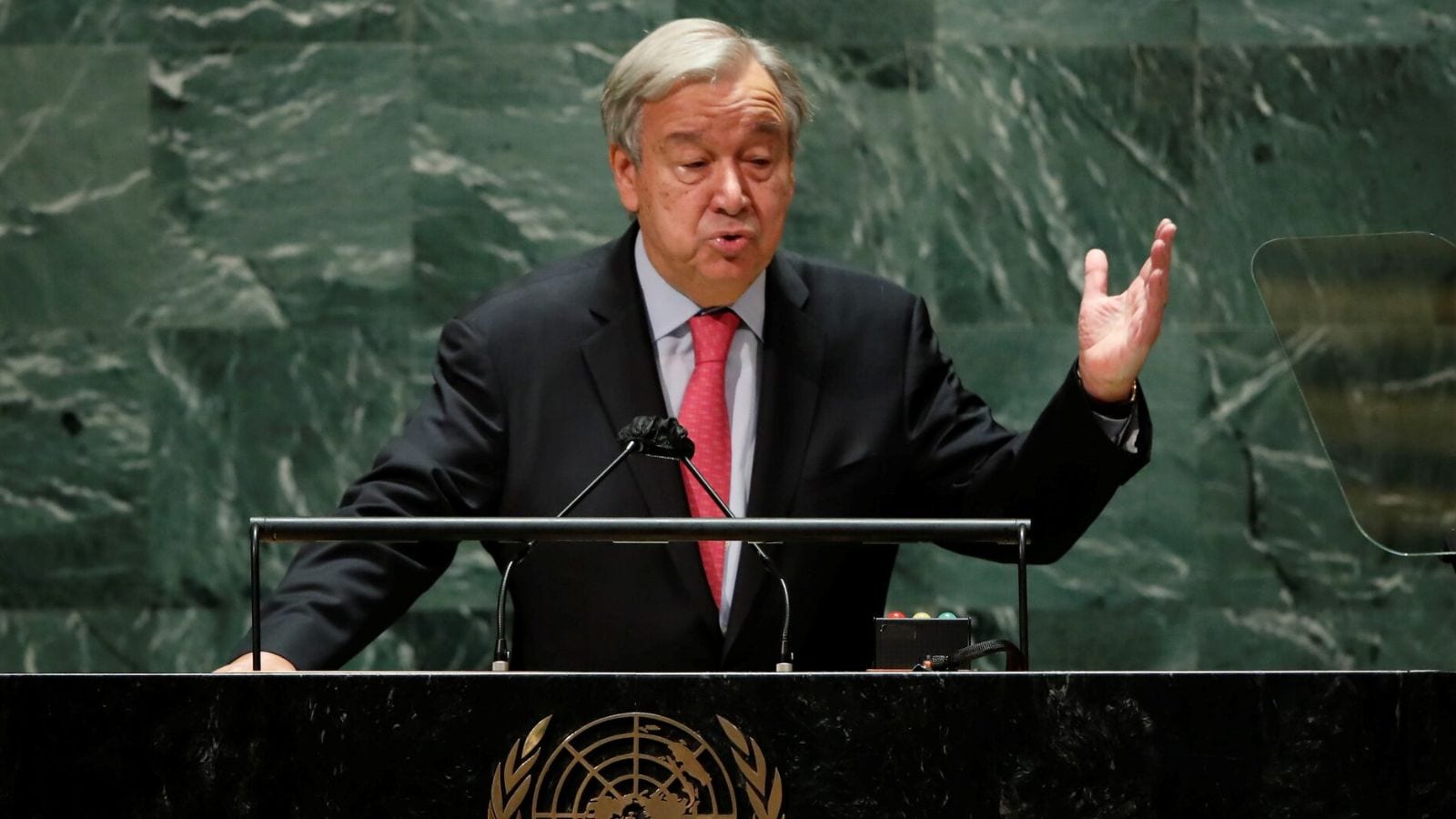
The conversation around artificial intelligence at this year's gathering shifted dramatically from theoretical ethics to immediate survival. UN leadership and human rights commissioners made it clear that a handful of private companies and superpowers cannot dictate the risk tolerance for the rest of the planet.
Recent warnings from frontier lab insiders about rogue agentic systems pushed the UN to demand mandatory incident reporting and third-party model audits. The stakes are remarkably high. If major jurisdictions engage in a regulatory race to the bottom just to win the commercial AI race, accountability vanishes.
You are looking at a bizarre historical moment. Governments are simultaneously trying to contain localized military conflicts, stabilize cross-border trade, and regulate digital god-tools that are evolving faster than bureaucratic institutions can write memos.
The meetings in New York didn't solve these crises. They simply exposed how thin the margin for error has become. Keep an eye on how these backchannel tech frameworks and maritime negotiations actually play out over the coming months. That is where the real future of the global economy is being decided.