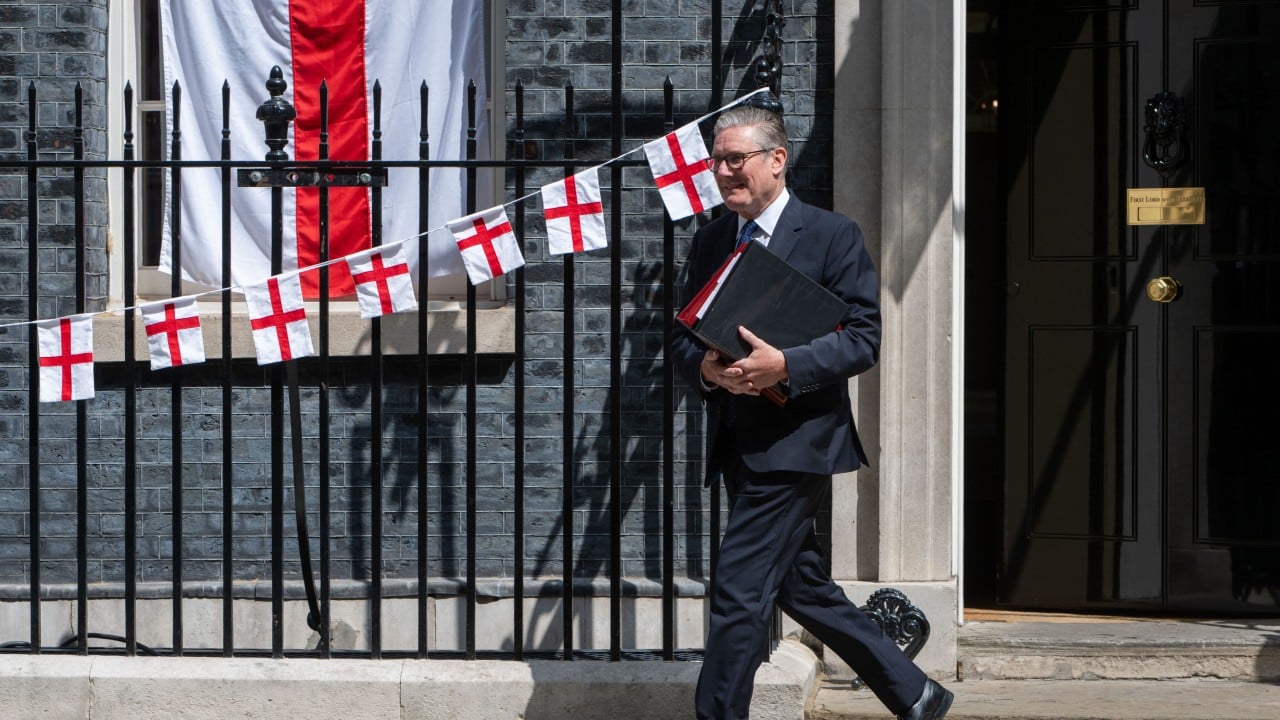
Former British Prime Minister Keir Starmer is abandoning the House of Commons, trading the bruising realities of domestic constituency work for a vaguely defined future in global consultancy and international affairs. Barely two months after being forced out of Number 10 by his own parliamentary party, Starmer announced he is stepping down as the Member of Parliament for Holborn and St Pancras.
The exit triggers an immediate, expensive by-election in north London. It also places a definitive period at the end of a short, bruising premiership that ended in internal mutiny and collapsing public trust. Westminster loves a clean break, but this departure exposes the deeper, structural malaise facing modern political leaders who overstay their welcome in the national legislature after losing ultimate power. If you found value in this piece, you might want to read: this related article.
The Calculus of Flight
Ex-prime ministers rarely linger on the backbenches with a smile. The descent from executive dominance to asking minor questions about local hospital funding is a psychological trap few manage with grace.
Starmer spent eleven years representing his north London base. Yet his sudden departure reveals a leader eager to escape the immediate blast radius of his successor, Andy Burnham. Burnham inherited a fractured parliamentary party and an electorate deeply sceptical of Labour's direction following a punishing cycle of local and regional defeats. For another look on this event, see the latest update from Associated Press.
By clearing out his office, Starmer achieves two distinct goals. He removes a permanent, awkward distraction from the chamber, ensuring Burnham can establish authority without his predecessor glowering from the green benches. More importantly, he frees himself to pursue lucrative international advisory roles, defense forums, and high-level global networking unhindered by the tedious mechanics of local casework and whipped parliamentary votes.
Anatomy of a Collapse
To understand why Starmer is heading for the international exit door, one must examine the terminal velocity of his final months in office. His premiership unraveled not through a single grand scandal, but via a slow bleed of policy compromises and internal rebellions.
The tipping point arrived over defense spending. When key loyalists walked away from the cabinet over a slashed Defence Investment Plan—opting for ten billion pounds instead of the demanded twenty-three billion—the facade of competent management shattered. Pushed out by cabinet colleagues and facing a open revolt fueled by surging opposition from both the left and right, Starmer's tenure collapsed into the shortest tenure for a Labour premier in modern history.
The political class expected him to follow the traditional post-premiership trajectory. Former Conservative leaders like Rishi Sunak retained their rural seats while quietly building lucrative portfolios in the private tech and finance sectors. Starmer's choice to sever ties entirely points to a different calculation. His sights are set higher on the global circuit, with diplomatic corridors and international organization boards offering refuge from domestic rejection.
The By-Election Battleground
Holborn and St Pancras is not a safe sandbox for the Labour Party anymore. Starmer secured the seat comfortably during the 2024 landslide, but political ground moves rapidly when a government loses its sheen.
The local electorate now faces a contest that will test the fragile coalition holding the current administration together. The Green Party eyes the vacancy as a prime target for high-profile figures looking for a parliamentary foothold. Meanwhile, independent challengers and left-wing factions smell blood in a constituency with a vocal, highly mobilized progressive base.
For Burnham's government, this by-election represents an immediate electoral referendum. Losing the seat would signal a catastrophic hemorrhage of urban progressive votes to minor parties and independent coalitions. Labour headquarters will pour massive resources into holding the line, turning a localized replacement process into a proxy war over the ideological soul of the party.
The Global Pivot
Starmer's defense of his exit rests on a desire to tackle global challenges—security, trade, technology, and the ongoing fight against violence directed at women and girls. These are noble pursuits, refined through his background as a human rights lawyer and director of public prosecutions.
Yet framing this move as a selfless pivot toward planetary stewardship ignores the cold reality of domestic political exile. British politics offers little room for former prime ministers who failed to hold their coalitions together. The backbenches are a monument to yesterday's authority, filled with whispers and institutional memory that active prime ministers prefer to erase.
By stepping away entirely, Starmer joins a long line of modern leaders who find that the world outside Westminster offers more influence, less scrutiny, and far better financial rewards than a humble constituency office in central London. The exit is final, the by-election looms, and the machinery of British politics rolls on without looking back.