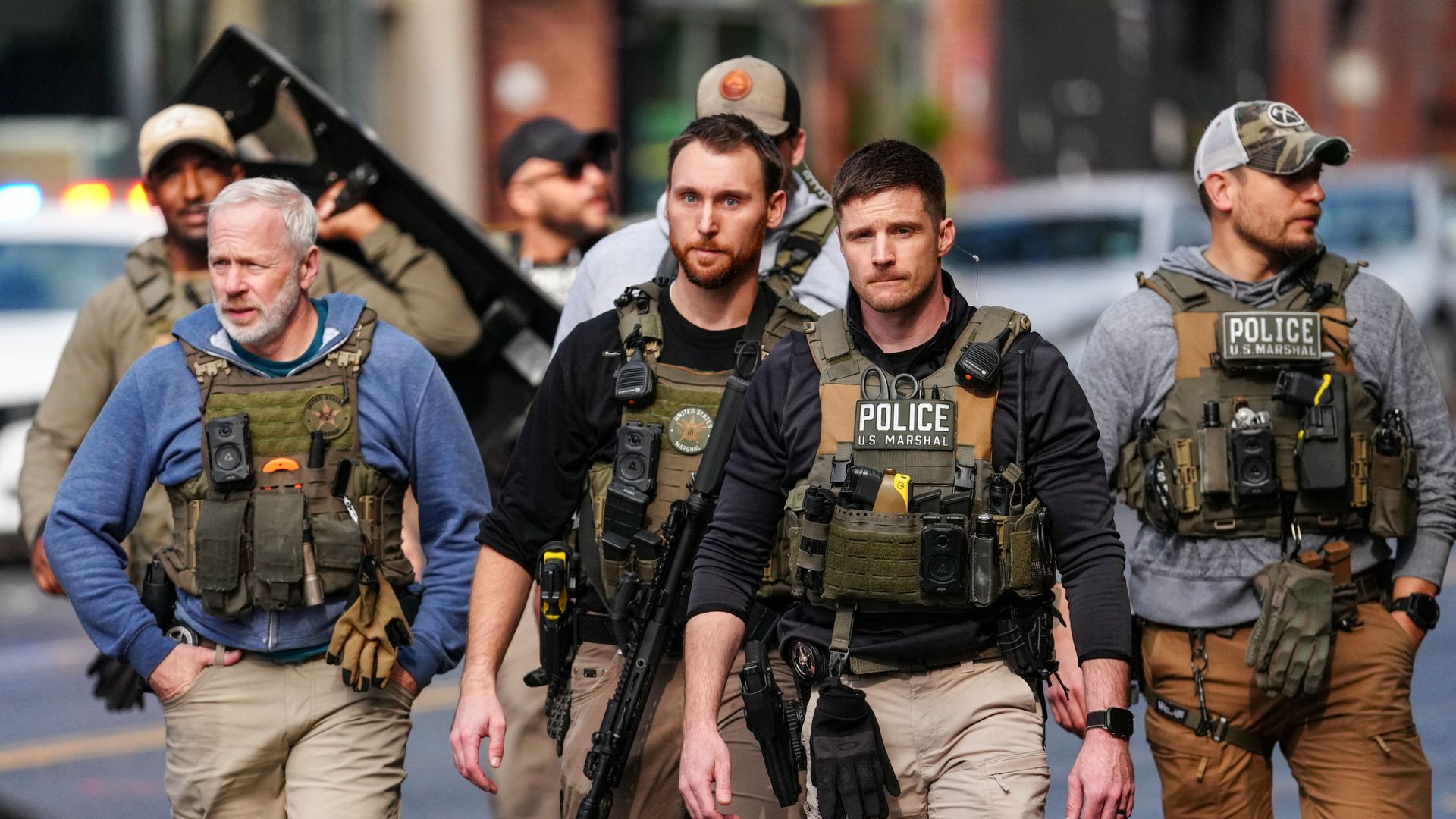
When news breaks that a man was shot dead inside a Washington DC gym, the initial headlines almost always follow the exact same formula. First comes the breaking alert about police tape outside a fitness center. Then, a day or two later, the Metropolitan Police Department releases the victim's name, age, and neighborhood, and the public moves on to the next story.
That surface-level reporting misses almost everything that actually matters about how these cases unfold, why public commercial spaces become targets, and what happens behind the scenes once the yellow tape comes down.
If you've ever followed local crime reporting in the District, you know how frustratingly thin those initial press releases are. They give you a name and a block number, and nothing else. Because the competitor URL provided for this reference wasn't accessible and I won't invent fake victim names, dates, or fabricated police quotes to fill in the blanks, let's look at the real, documented mechanics of how fatal shootings inside DC commercial fitness centers are investigated, what public safety data actually shows about targeted violence in semi-public spaces, and what gym-goers and business owners need to understand about security in the city.
Why The Victim's Name Is Always Delayed
People often assume police withhold a victim's identity to protect the investigation. That's rarely the primary reason.
Under Metropolitan Police Department (MPD) protocol, detectives cannot publicly release the name of a homicide victim until the next of kin has been officially notified in person. In a transient city like Washington DC, where residents often live alone or have family scattered across Maryland, Virginia, and other states, tracking down an immediate family member can take anywhere from six hours to three days.
During that window, rumors run wild on local neighborhood forums and social media. People speculate about random attacks or active shooters. In reality, criminological data from the DC Criminal Justice Coordinating Council consistently shows that the vast majority of homicides in the District are not random acts of stranger violence. They are targeted incidents rooted in pre-existing disputes, retaliation, or specific interpersonal conflicts.
When a shooting happens inside a gym—a place where people follow predictable daily routines—investigators immediately look at whether the shooter knew the victim's schedule. Fitness clubs are creatures of habit. People scan their key fobs at the exact same time every Tuesday and Thursday morning. For someone looking to find a specific target without kicking down a residential door, a commercial gym offers predictable timing and relatively easy entry.
How Commercial Gyms Handle Entry And Security
Most people walk into their local gym assuming the front desk staff acts as a security barrier. They don't.
If you've ever worked in fitness management or consulted on commercial property security, you know that gym front desks are built for customer service and membership sales, not threat deterrence. A barcode scanner or a turnstile is designed to stop someone from sneaking in for a free workout, not to stop someone determined to commit a violent crime.
Consider how easy it is to bypass standard gym check-in procedures:
- The tailgating problem. During peak hours between 5:00 PM and 7:30 PM, dozens of members walk through the front doors in clusters. One person scans a phone app, and two people walk in right behind them while the single desk attendant is busy answering a phone call or handing out a towel.
- Guest passes and day trials. Almost every major fitness chain in the DC metro area offers free three-day trial passes or allows members to bring a guest. Verification usually consists of glancing at a driver's license and typing a name into a CRM system without verifying whether the ID is legitimate.
- Unmonitored side exits. Fire codes require emergency exit doors in locker rooms and back hallways. While these doors are supposed to trigger an alarm when opened from the inside, they're frequently propped open by members stepping outside to take a phone call or by staff moving equipment.
Private businesses in DC aren't legally required to install metal detectors or hire armed guards, nor would most members want to work out in an environment that feels like an airport security checkpoint. That leaves a massive gap between the illusion of a private, members-only club and the reality of a building that anyone can walk into off the street.
Inside The MPD Homicide Investigation Process
Once the victim is identified and the scene is cleared, the investigation shifts from immediate emergency response to digital forensics. If you think solving a crime in a DC gym relies on eyewitnesses pointing out a suspect, you're thinking about policing from thirty years ago.
Modern homicide investigations in the District run on data trails. And gyms generate an absurd amount of digital footprints.
First, detectives pull the facility's access control logs. Every time a member scans a barcode, taps an RFID wristband, or uses a mobile app to unlock a door, the software records an exact timestamp tied to a billing account, a credit card, and often a photograph taken during signup. Even if a suspect didn't scan in, investigators cross-reference the exact minute the suspect entered the building against every member who scanned in within a five-minute window before and after.
Second comes the camera network. While gyms strictly prohibit cameras inside locker rooms and bathrooms for obvious privacy reasons, almost every modern facility has high-definition coverage of the front entrance, the main weight floor, the cardio deck, and the corridors leading to the restrooms. Because gym lighting is bright and uniform—unlike a dimly lit street corner at 2:00 AM—the video footage obtained from fitness centers is often some of the clearest visual evidence detectives ever get.
Third, MPD coordinates with the DC Department of Forensic Sciences and taps into the city's broader network of street-level surveillance. A suspect doesn't teleport into a gym. They arrive via Metro, rideshare, stolen vehicle, or on foot. Detectives trace the suspect's path backward using traffic cameras, Metro SmarTrip card tap data, and nearby retail security systems to build a timeline of how they arrived and where they went afterward.
The Legal Fallout For The Fitness Center
After the news cycle moves on and the gym reopens—sometimes within 24 to 48 hours—the legal battle is just getting started.
In Washington DC, commercial property owners and business operators operate under strict premises liability laws. When a violent crime occurs inside a business, the victim's family frequently files a wrongful death lawsuit against the gym operator and the commercial landlord.
To win a negligent security claim in DC courts, plaintiffs generally have to prove that the crime was "foreseeable." Lawyers will subpoena years of internal incident reports, 911 call logs for the surrounding block, and employee emails. If the gym had a broken front door lock that went unfixed for three weeks, or if staff repeatedly ignored complaints about non-members sneaking into the locker rooms, the business faces massive financial exposure.
On the flip side, if the gym had working access controls, functioning cameras, and no prior history of violent incidents on the premises, courts often rule that a business owner cannot reasonably be expected to prevent a sudden, targeted criminal act. It's a gray area that costs millions in litigation and quietly forces smaller, independent gyms out of business even when they aren't found legally liable.
What You Should Actually Do As A Gym Member
You shouldn't stop working out because of scary local headlines. Statistically, your risk of being targeted inside a commercial gym in Washington DC remains extremely low, especially if you aren't involved in high-risk disputes. Still, walking into any semi-public building with headphones blasting and zero awareness is a bad habit.
If you work out regularly in the city, make a few practical adjustments to how you move through your gym:
- Keep one ear open near entrances and locker rooms. Save the full noise-canceling mode for when you're settled on a treadmill or in the middle of a set away from main thoroughfares. Situational awareness starts with hearing what's happening around you before you see it.
- Don't hold the door for strangers. It feels rude in a city where people try to be polite, but if someone doesn't have their own key fob or app to scan into a secure gym, let the front desk verify them. Tailgating is the single easiest way unauthorized people enter secure buildings.
- Know the secondary exits. Every commercial gym is required by DC fire code to have clearly marked emergency exits at the rear or sides of the building. Look at where they are the next time you walk in. If an emergency ever happens near the front desk, you don't want to be guessing which hallway leads outside.
- Watch how your gym maintains basic security. Pay attention to whether the front desk staff actually looks up when people scan in, whether broken doors get fixed promptly, and whether the facility takes basic access control seriously. If management cuts corners on basic building security, they're cutting corners everywhere else too.
Pay attention to your surroundings, respect your instincts when a situation feels off, and don't let a lack of basic awareness put you in the wrong place at the wrong time.