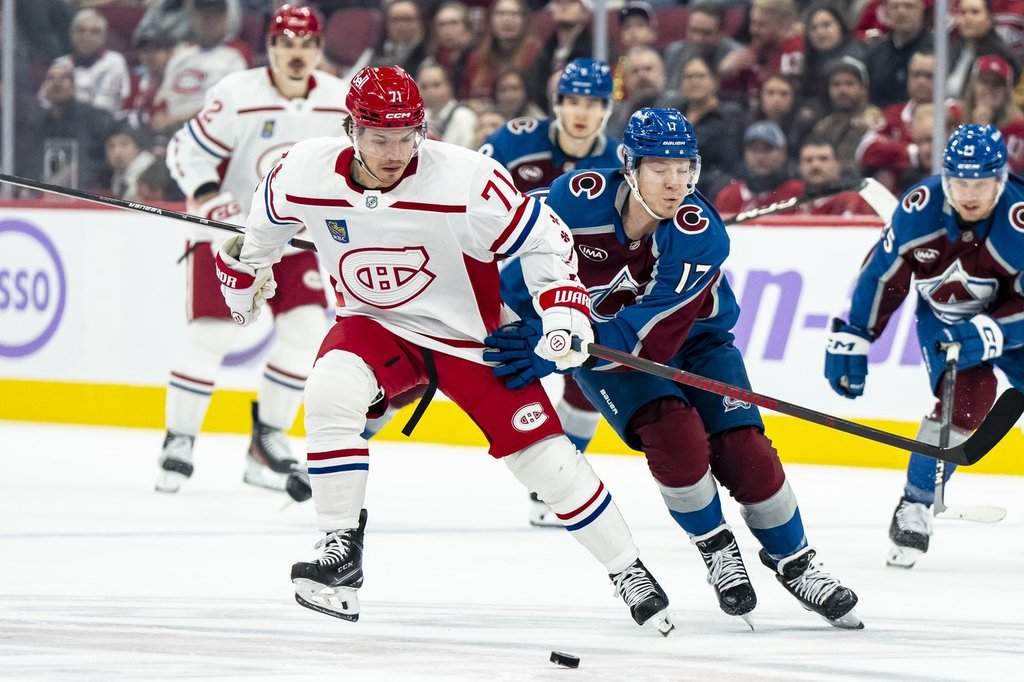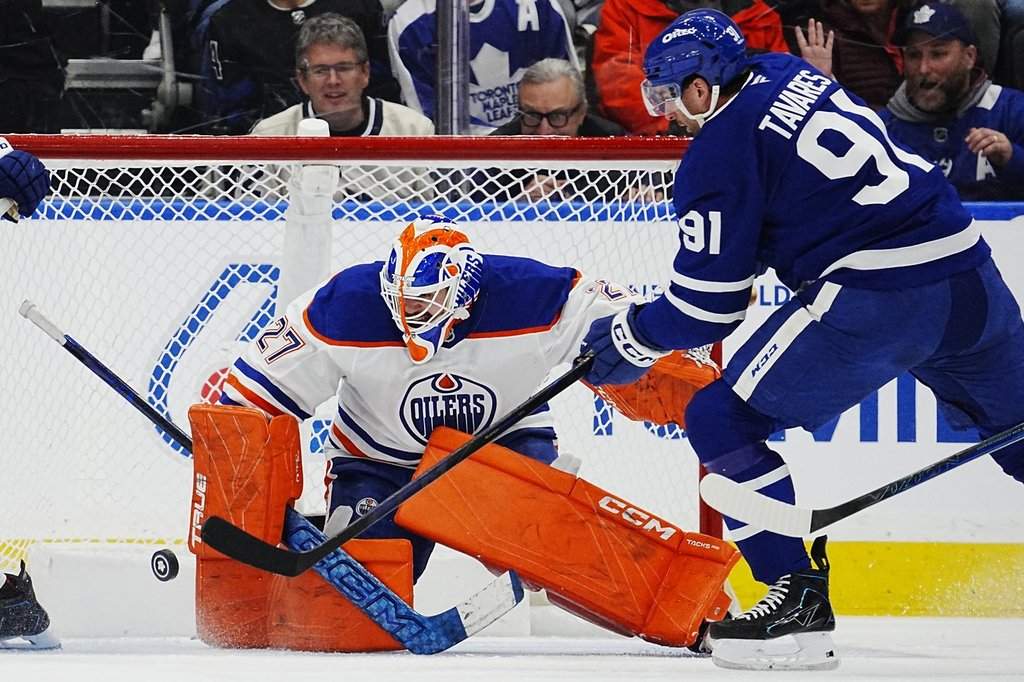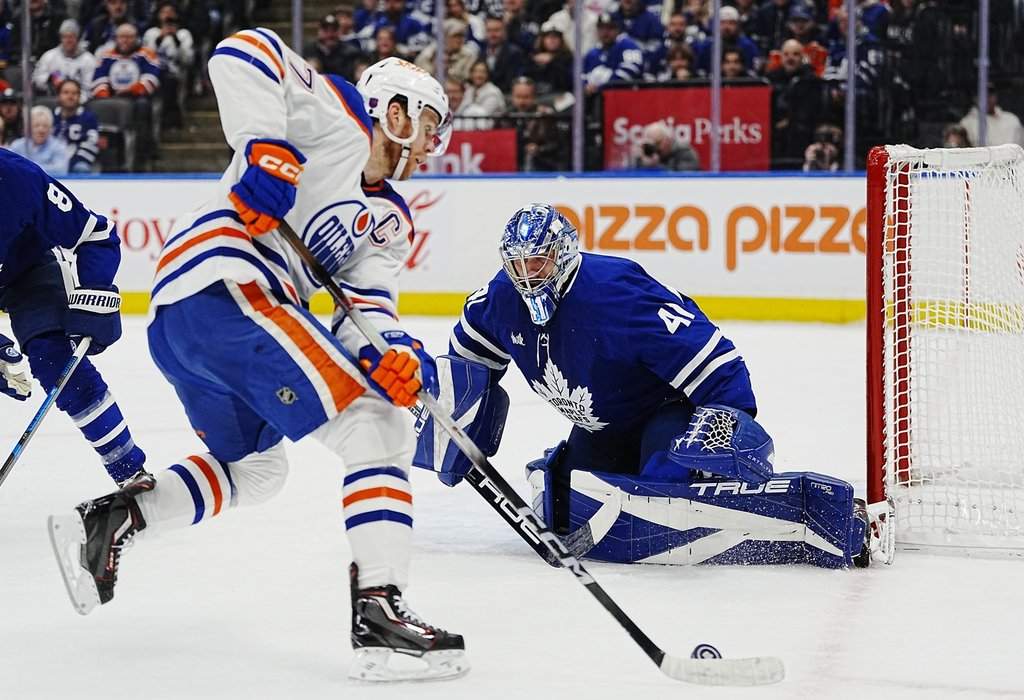
Home ice is supposed to be a sanctuary. You get the last line change, your own routines, and a building full of people screaming your name until their throats bleed. Yet, watching the Toronto Maple Leafs finish an ugly homestand with another loss felt less like a sporting event and more like a slow-motion car crash you couldn't look away from.
It wasn't just the final score that stung. It was the sheer predictability of it all.
When a team with championship aspirations treats Scotiabank Arena like an optional Tuesday night skate, fans notice. They pay hundreds of dollars for upper-bowl seats, and what they got across this stretch of home games was sluggish breakouts, perimeter passing, and defensive zone coverage that looked completely disconnected. You can blame bad bounces or hot opposing goaltenders all you want, but that's a lazy excuse. This homestand exposed structural cracks that have been lingering under the surface for months.
Why Scotiabank Arena Stopped Feeling Like Home Ice Advantage
There's a weird phenomenon in Toronto. Playing at home doesn't always energize this roster. Sometimes, it paralyzes them.
Instead of feeding off the energy of a Saturday night crowd or a mid-week sellout, the Leafs often play tight when things go sideways early. You see it in the body language. One missed assignment leads to a puck in the back of their net, and suddenly every defenseman is gripping his stick like it's made of wet soap.
Opposing coaches love coming into Toronto right now. Why? Because the blueprint to beat them on their own ice is painfully simple:
-clog the neutral zone and force the Leafs' defensemen to make cross-ice passes under pressure.
-Take away the middle of the ice in the defensive zone, daring Toronto's top forwards to beat you from the outside.
-Capitalize on the inevitable neutral-zone turnover when a forward tries to force a low-percentage play through three sticks.
When you watch teams execute this game plan against Toronto, it's almost embarrassing how easily the Leafs fall into the trap. They refuse to dump the puck in, retrieve it, and grind down the opposition. They want the highlight-reel seam pass. When that pass gets picked off at the blue line, the resulting odd-man rush goes straight back down their throats.
The Structural Breakdowns Behind the Ugly Homestand
Let's talk about what actually happens on the ice when the Leafs finish an ugly homestand with another loss. It comes down to three distinct failures that keep repeating themselves regardless of who is in the lineup.
Puck Management at the Offensive Blue Line
High-end skill is a blessing until it becomes a crutch. Toronto's top players possess elite vision, which means they constantly look for the backdoor tap-in or the layered drop pass on zone entries. Against disciplined teams, those plays die at the blue line.
During this homestand, turnover after turnover occurred within five feet of the offensive zone entry. Instead of getting pucks deep and establishing a forecheck, the Leafs handed possession right back to opponents who were already moving at full speed toward Toronto's net. That puts massive strain on the defensemen, who are forced to pivot backward while retreating against a three-on-two.
Net-Front Urgency at Both Ends
Watch any playoff-style hockey game and look at the five-foot radius around both creases. That is where games are won. Throughout this homestand, Toronto lost that real estate badly.
In their own zone, opposing forwards stood unbothered in front of the Leafs' goaltender, screening shots and whacking at second and third rebounds without paying a physical price. At the other end of the ice, Toronto's forwards floated along the half-walls and the high slot. Shots came from the perimeter with zero traffic in front. Even an average NHL goalie will stop 98 percent of the shots he can clearly see from thirty feet out.
Special Teams Stagnation
When five-on-five play dries up, your power play has to bail you out. It didn't happen.
Toronto's man-advantage looked static, predictable, and slow. Without constant player movement to force penalty killers out of their shooting lanes, passing around the perimeter accomplishes nothing except burning two minutes off the clock. Worse yet, giving up momentum—or shorthanded looks—on a stagnant power play sucks the oxygen right out of the building.
Stop Blaming the Goaltending for Systemic Laziness
Every time the Leafs drop a frustrating game at home, the immediate knee-jerk reaction from half the fanbase is to point fingers at the crease. Is the goaltending always steal-you-a-game brilliant? No. Can a goalie make a timely save to stop the bleeding when the team is flat? Sure.
Blaming the netminder for a multi-game homestand collapse misses the point entirely.
When you surrender high-danger scoring chances off unforced turnovers, no goaltender on earth is going to maintain a .930 save percentage. Leaving a shooter alone in the slot because two forwards blew the zone early isn't a goalie problem. That's a commitment problem. Until the five skaters on the ice decide that checking matters just as much as scoring, swapping goalies won't fix a thing.
What Needs to Change Before the Next Puck Drop
You don't fix a broken homestand with a team meeting and a bunch of hollow clichés about "needing to be better" or "playing a full sixty minutes." Fans are tired of hearing it, and honestly, the players probably are too.
Real correction requires uncomfortable adjustments on the ice. First, the coaching staff has to shorten the leash on high-risk neutral-zone turnovers. If a line repeatedly coughs up the puck trying to force plays through traffic at the blue line, they need to sit for a shift or two—regardless of what their cap hit looks like. Accountability has to apply to the top of the roster, not just the fourth-line grinders trying to stay in the league.
Second, Toronto needs to simplify its offensive zone entries immediately. Put the puck behind the opposing defensemen, send two forwards in hard on the forecheck, and force the other team to skate two hundred feet through contact. It isn't pretty. It won't make the nightly highlight reels. What it will do is wear down opponents, draw penalties, and tilt the ice back in Toronto's favor.
Finally, the approach in front of the net has to get meaner. Defensemen must clear bodies out of the crease with authority, and forwards need to park themselves in the paint and take the cross-checks that come with scoring greasy goals.
If you're tracking this team closely over the next two weeks, ignore the final scores for a minute and watch those three habits instead. Look at how many pucks get dumped deep versus turned over at the blue line, count how many bodies are screening the opposing goalie on point shots, and watch whether the top lines backcheck with actual urgency. Those details will tell you immediately whether this ugly homestand was a wake-up call or just a preview of another early spring exit.