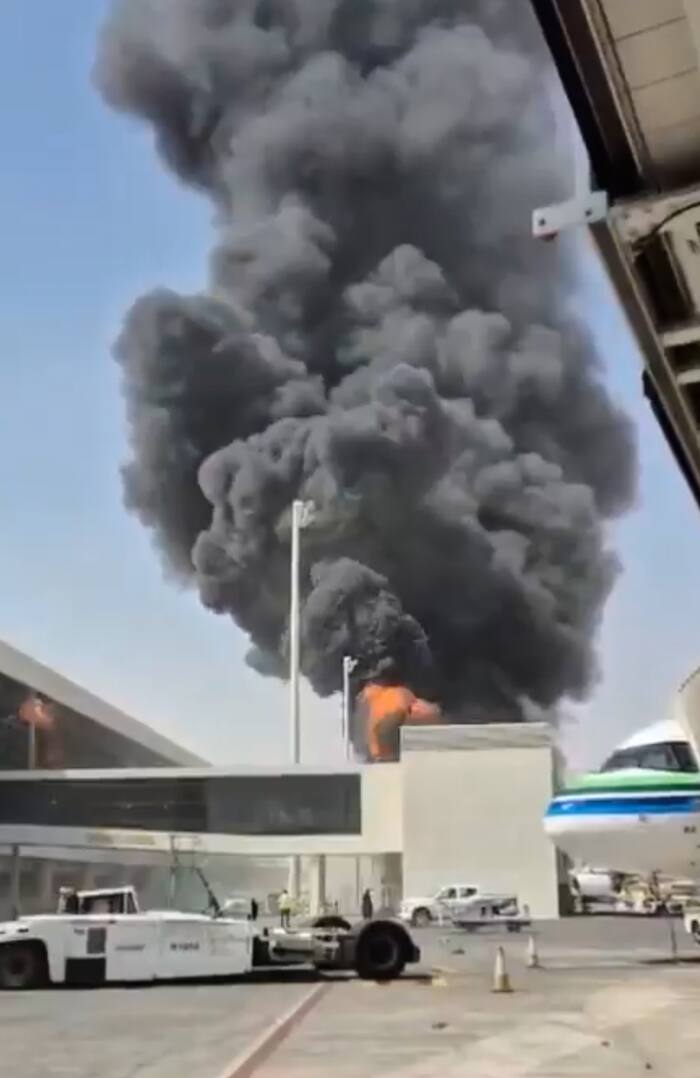
Airports are supposed to be safe. You show up, clear security, grab an overpriced coffee, and wait for your boarding group. But when air defense sirens start wailing over a capital city and ballistic projectiles begin targeting major aviation hubs like King Khalid International Airport, the illusion of routine travel evaporates fast. If you've been trying to make sense of the recent security flare-ups in Saudi Arabia, you aren't alone. The news cycles move quickly, details get buried under political statements, and it is genuinely hard to figure out what is actually happening on the ground.
Let's cut through the noise and look at what these repeated strikes on Riyadh mean, how the region's air defense networks are holding up, and why civilian infrastructure has turned into a primary flashpoint.
The Reality Behind the Riyadh Airport Strikes
When reports surface that a major facility like King Khalid International Airport has been targeted or hit, panic spreads across international flight boards instantly. Over the past few weeks and months, the escalation involving cross-border missile and drone operations from Yemen's Houthi movement has put Saudi aviation on high alert.
We aren't just talking about distant skirmishes away from civilization. Riyadh is a massive economic engine and a densely populated hub. When projectiles breach the airspace or force emergency interceptions—such as the high-stakes engagements reported by the Saudi-led coalition—the ripple effects are immediate. Flights get diverted, ground operations pause, and passengers stranded in terminals face an agonizing wait for updates.
Official statements often lean heavily on terms like "intercepted and destroyed," but anyone following regional defense dynamics knows that debris fields still pose a massive hazard. Shrapnel raining down near terminal complexes or parking structures has caused genuine structural damage and civilian casualties in past rounds of escalation. That is the gritty reality behind the sanitized headlines.
How Air Defense Networks Handle the Threat
Saudi Arabia operates a heavily fortified, multi-layered air defense architecture, relying on advanced systems like Patriot batteries and related interceptor technology. Stopping a fast-moving ballistic missile or a low-flying swarm of explosive drones is an extraordinary engineering and tactical challenge.
When multiple projectiles are launched simultaneously, air defense operators have fractions of a second to calculate trajectories, assign targets, and fire interceptors. Most of the time, these systems work as intended, neutralizing threats high above the desert before they can devastate civilian structures.
Yet, perfection is impossible in warfare. Even a high interception success rate leaves room for error, technical failures, or single projectiles slipping through a saturated defense umbrella. That explains why residents across Riyadh occasionally hear loud explosions or see bright flashes in the night sky even when official reports confirm successful intercepts.
The Broader Impact on Global Travel and Regional Security
You might wonder how this affects your next layover or business trip through the Gulf. Aviation authorities and international carriers monitor these security conditions minute by minute. When threat levels spike, airlines do not hesitate to suspend routes, cancel departures, or reroute planes entirely to avoid airspace risks.
Insurance premiums for commercial flights operating in the region skyrocket during these periods, and airport security protocols tighten to levels that make standard pre-flight screening look relaxed. If you are transiting through Riyadh, Jeddah, or nearby regional hubs, staying glued to real-time flight tracking apps and official advisory channels is non-negotiable.
The underlying conflict shows few signs of achieving a permanent diplomatic off-ramp, meaning these intermittent security spikes will likely remain a persistent hazard for the foreseeable future. Understanding the real mechanics of these threats helps cut through the panic, giving you a clearer picture of what is happening behind the official press releases. Keep your plans flexible, watch the local advisories, and don't assume flight schedules are set in stone when regional tensions flare.