Salt crusted the edge of the VHF radio in the pilothouse, turning the plastic white and opaque like cataract film. Outside, the night was not black; it was a bruised, heavy purple that flattened the Red Sea into a sheet of hammered lead. There was no moon. There was only the low, wet throb of the diesel engine below deck and the rhythmic slap of water against the steel bow—a sound that usually lulled the watchkeeper into a trance of counting hours until landfall.
Then came the flash.
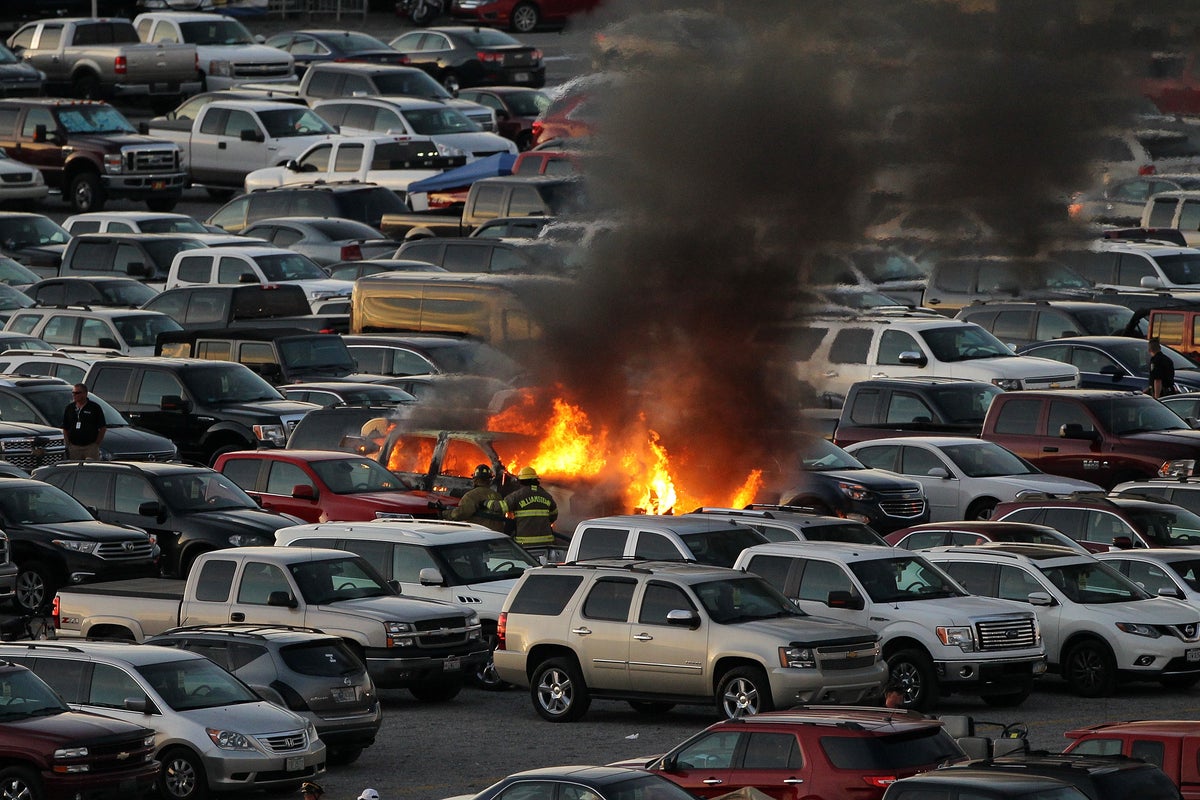
It was orange, sudden, and silent, blooming off the starboard quarter near the ancient Yemeni port of Mocha. A second later, the concussion hit—a flat, concussive thud that rattled the teacups in their gimbals and made the radar screen jump with white noise.
"They're shooting again," muttered the second officer, his voice stripped of panic by sheer exhaustion. He didn't drop to the deck. He didn't scream. In these waters, terror has a shelf life, and months of escalation had worn it down to a dull, bitter resignation.
Miles away, hidden in the craggy fold of the coastal hills where ancient mud-brick fortresses crumble into dust, the Houthi fighters watched through night-vision lenses. To them, the sleek silhouette on the horizon was not a freighter carrying grain or fertilizer or manufactured goods for a distant bazaar. It was an imperial artery. It was a lifeline of an economic order that had starved their valleys and bombed their weddings. In the calculus of asymmetric warfare, a cheap, shoulder-fired rocket or a crude drone laden with plastic explosive was the great equalizer.
When the Houthis announced that they had attacked Saudi vessels off Mocha, the news tickers in London, New York, and Riyadh flashed with sterile urgency. Numbers were crunched. Oil futures ticked upward by a fraction of a percent. Risk analysts adjusted their insurance premiums for the Bab-el-Mandeb strait, a bottleneck so narrow you can wave to both continents at once.
But numbers on a screen do not smell like diesel smoke.
Consider what happens next: the frantic scrambling of ship registries, the hurried recalculations of multinational shipping conglomerates rerouting millions of tons of cargo around the entire African continent, adding weeks and millions of dollars to every container of shoes, electronics, and medicine. The geopolitical chessboard moves. Declarations are drafted in air-conditioned halls thousands of miles away.
Yet the real weight of this conflict is felt right here, suspended between the salt and the stars.
I remember standing on the bridge of a bulk carrier years ago, watching the distant loom of the Arabian coastline stitch itself into the dawn. Back then, the Red Sea felt like a highway of glass, a tranquil corridor where the ancient spice routes met modern globalization. You felt small, but safe. You felt connected to the hum of a prosperous world.
That world is gone.
Today, the corridor is a gauntlet. The sea lanes that carry twelve percent of global trade have transformed into a theatre of invisible tripwires. Every captain steering a vessel past the Yemeni coast now carries an invisible passenger: the acute awareness that a political stalemate on land can materialize as fire on the water at any second.
The Houthi movement did not invent this desperation, nor will they end it with a single salvo. They are the product of a fractured nation where generation after generation has known little besides blockade, malnutrition, and the whistle of ordnance from the sky. When you have nothing left to lose, the disruption of global commerce is not a crime; it is a megaphone. It is a way to make the capitals of wealth feel the exact same shortness of breath that your children feel every night.
Down in the engine room, the chief engineer checks the fuel separators. His hands are stained with grease that never quite washes out from under his fingernails. He has a wife in Manila and two daughters he hasn't seen in nine months. He didn't sign up to be a pawn in a regional proxy war. He signed up to pay for tuition, to build a concrete house on a hill away from the typhoons.
Now, every time the ship enters these restricted coordinates, he wonders if the steel bulkhead separating him from the open ocean will hold against a shaped charge.
This is the hidden cost of the conflict off Mocha. It is not measured solely in barrel prices or insurance spikes. It is measured in the tightening of a sailor's chest, the lengthening of supply chains that feed fragile economies half a world away, and the stubborn persistence of a war that refuses to stay contained within borders.
The smoke from the burning vessel near Mocha slowly dissolved into the salt-heavy air, leaving behind only the dark swells of the sea and the indifferent wheel of the constellations. Far off in the hills, the radio fell silent. On the bridge, the second officer wiped the salt from the radar screen, waiting for the next blip to appear out of the dark.