Sawdust.
That is the first thing you notice when a public park starts to change its mind about who it belongs to—the sharp, resinous bite of fresh-cut oak and pine hanging in cool autumn air where joggers usually breathe easy.
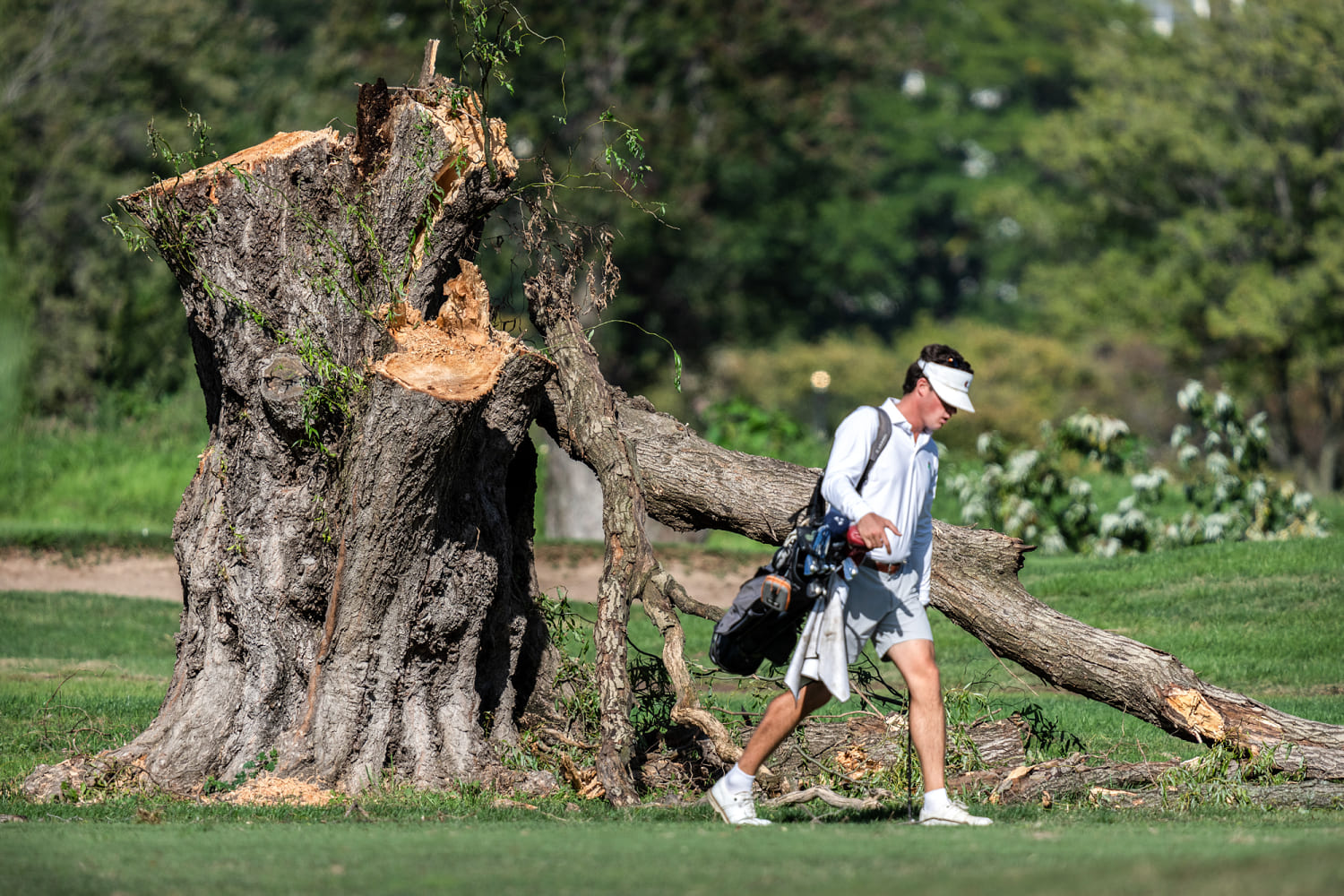
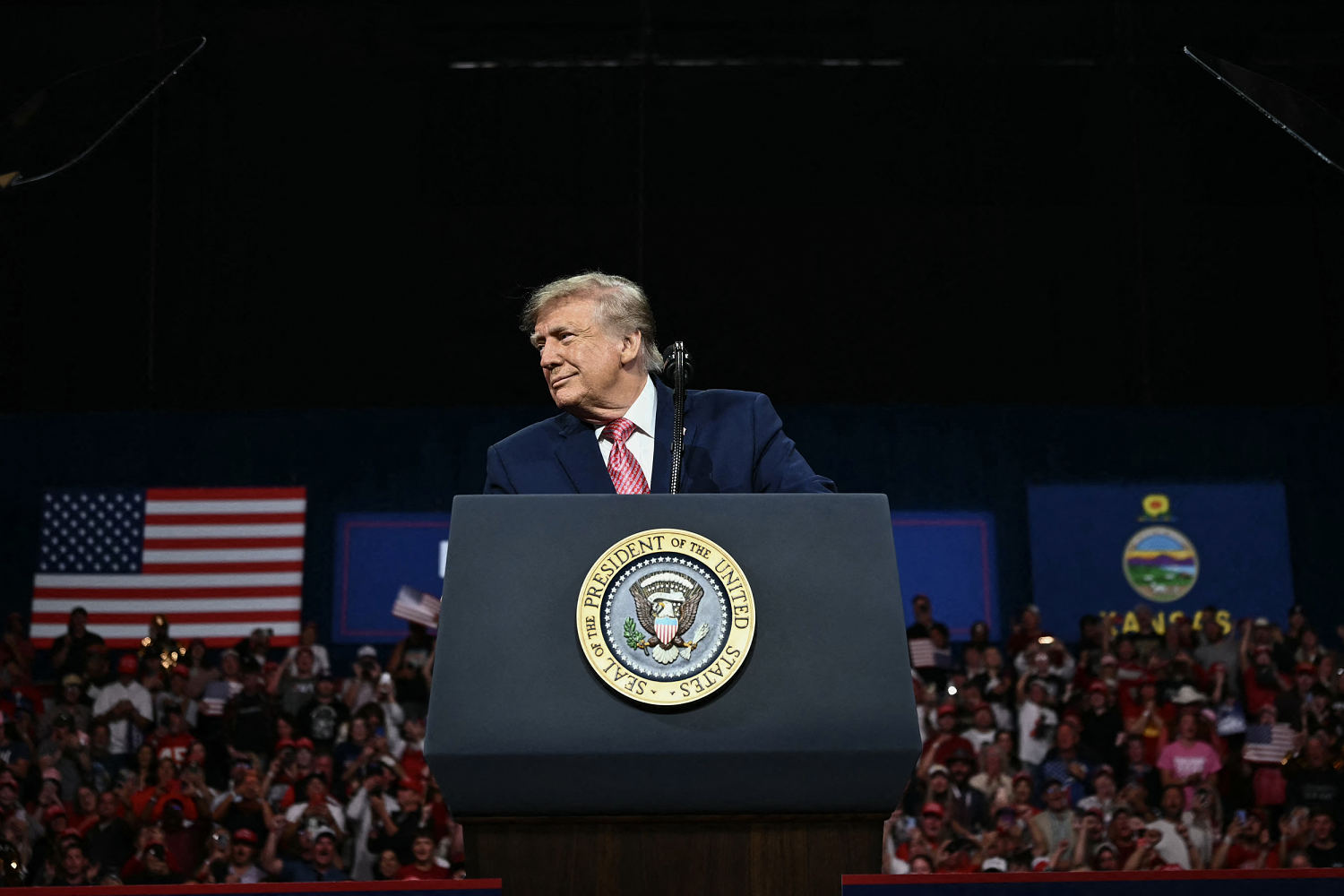
By late October 2026, more than 500 trees had already come down along the edges of East Potomac Park Golf Course in Washington, D.C., with roughly 300 more marked in the plans that sparked a fierce federal courtroom clash. President Donald Trump had announced online that the historic public links would close on November 15 for a 15-month renovation into what he called a world-class facility. Then came the whiplash that left neighbors, golfers, and legal observers staring at their screens: U.S. District Judge Ana Reyes halted work and pressed the government over whether a closure order truly existed, Justice Department lawyers initially signaled no formal closure plan was in place before later filing notice that plans for a renovation and a November 15 closure were in the works, and eventually a federal court order blocked the closing while appeals and review processes—including a scheduled planning commission meeting—played out.
The headline makes it sound like a bureaucratic ping-pong match. A court filing here. A social media post there. A municipal golf course caught between a president’s vision and a judge’s gavel.
Stop.
Look past the docket numbers and picture what a public course actually is on a Tuesday morning when the mist still clings to the Potomac River. It is not an exclusive country club with velvet ropes and initiation fees that cost more than a compact car. It is a democratic patch of green where a retired mail carrier can walk nine holes for the price of a decent lunch, where beginners slice balls into the rough without fear of being judged, and where people who never meet anywhere else share the same quiet stretch of sky.
I know the hollow feeling of watching familiar shade vanish overnight. Years ago, in a town far from Washington, a grove of mature street trees lining a park I walked every morning was cleared ahead of a development push that promised cleaner sightlines and modern upgrades. The street looked wider the next day. It also looked strangely bare, stripped of the birdsong and dappled light that had stitched the neighborhood together for decades. You do not miss a single branch until the canopy is gone and the wind hits your face without warning.
To understand why a fight over trees and tee times at East Potomac Park suddenly felt so charged, it helps to use a metaphor. (Note: What follows is a metaphor to illustrate how public institutions and executive authority interact.) Think of a city park as a shared family table set out in the town square. Every resident has a seat, and everyone expects that before someone clears the plates or saws off a leg of the table to build a sleeker new design, there is a rulebook everyone agreed to follow so the table belongs to the whole family—not whichever guest has the loudest voice at dinner.
When those rules blur—when one side says a shutdown is coming and another side demands proof in court—ordinary people feel a quiet knot in their stomachs. It is not just about golf. It is about trust. If a government can announce a closure, fell hundreds of trees, and leave citizens guessing whether the gates will be locked next month, what else can change before anyone has a chance to speak?
The Ground Beneath the Fairways
To make the human stakes concrete, let us create a hypothetical character. (Note: David Morales is a composite, hypothetical figure invented to illustrate real community experiences around public parks in Washington, D.C.)
David is sixty-four, a former civil servant whose knees complain every time November rain rolls off the river. Three mornings a week, he carries a light canvas bag—seven clubs, never a full set—out to East Potomac. He is not chasing birdies. He is chasing rhythm. Left foot, right foot, breathe in the cold water smell off the channel, swing easy, walk to the next tee.
On the morning after the October announcement that the course would shut down on November 15, David stood near a stand of felled timber and felt his chest tighten. Fifteen months is a long time when you are sixty-four. A year and three months of winter turning into spring, summer turning into fall, is a chunk of life you cannot put on layaway. Worse than the timeline was the confusion. One day people were saying the gates would lock in mid-November; the next day lawyers were arguing in court over what was official and what was not; then came the Justice Department filing acknowledging plans were in the works, followed by court intervention keeping the course from closing while legal battles and planning reviews unfolded.
"You start wondering if you imagined the whole thing," David might say over coffee at a diner blocks away. "One minute you're checking your calendar to squeeze in a final round. The next minute a judge is asking who gave what order and why five hundred trees are already on the ground."
His confusion mirrors a broader question millions of people ask whenever a high-profile project collides with the courts: How can two arms of the government sound like they are describing two different planets?
In Washington, public land along the river sits inside a web of laws, environmental reviews, and planning oversight designed to slow things down on purpose. Speed is great when you are ordering takeout. Speed is dangerous when you are reshaping public parkland without finishing the required steps. When a president pushes a dramatic makeover and calls for a swift closure, supporters see decisive action and a bold upgrade. Critics—and a federal judge scrutinizing the record—see process shortcuts, shifting explanations, and irreversible changes like cutting down trees before a court has finished weighing the law.
Why Trees Carry More Weight Than Wood
A tree does not vote. A tree does not hire a lawyer or post on social media.
Yet every time chainsaws roar inside a public park, the sound travels farther than the property line. Over 500 trees cut down, with hundreds more on the chopping block in the disputed plan, is not a minor footnote in a property dispute. Trees hold soil against erosion along riverbanks. They cool pavement and turf in July. They give hawks, songbirds, and squirrels a home between concrete walls.
Judge Reyes captured the tension in sharp, memorable prose when she noted in her order that the court does not speak for the trees, it speaks only for the rule of law. That distinction matters. Even if you care deeply about every oak and sycamore along the water, a judge’s job is to ask whether officials followed legal boundaries and told the truth to the court.
When government lawyers initially indicated no closure plan existed before later filing notice that renovation and a November 15 closure were in the works, credibility took a hit. People do not need to be constitutional scholars to recognize whiplash. When official statements shift mid-stream, trust frays. And once trust frays, even well-intentioned promises about a "world-class facility" sound harder to believe.
Let us pause and be honest about how messy this kind of story can feel. If you are reading about injunctions, appeals, planning commission schedules, and executive authority, it is completely normal to feel lost—or skeptical of every side. Presidents have long sought to leave physical marks on the capital, from grand monuments to park upgrades. At the same time, federal courts exist to check whether executive power stays within statutory and constitutional lanes. Neither side’s argument is hard to follow in isolation; the friction comes when immovable urgency meets an immovable rulebook.
What Happens When Public Space Becomes a Battleground
Consider what happens next in a town when a familiar green space becomes a symbol in a national argument.
First, everyday routines get pulled into the crossfire. A casual golfer or a weekend walker suddenly feels like an extra in a political drama they never auditioned for. Second, rumors fill every vacuum. When timelines move fast—an online announcement on October 18, a mid-November target date, court hearings, filings, and appeals—people scramble to figure out what is real and what is bluster.
History offers a clear pattern here. Whenever public amenities sit at the crossroads of grand ambition and local attachment, the deepest anger rarely comes from construction noise alone. It comes from feeling sidelined. Communities can accept change—even tough change—when they see transparent plans, honest timelines, and respect for shared space. They push back hardest when change feels sprung on them overnight, especially after living branches have already hit the ground.
Look at why the court’s intervention mattered so much to people watching from the sidelines. Blocking a closure while legal challenges and planning reviews proceed does not freeze time forever, nor does it settle every policy question. What it does is press pause on an abrupt shutdown so the law, public review, and accountability have room to breathe.
Imagine—purely as a hypothetical thought experiment—if major changes to a neighborhood park worked like a sudden eviction notice with shifting stories about whether the lock was actually changing. You would pack your bag, unpack it, pack it again, and never quite trust the key in your hand. Keeping the course open while the courts sort out authority and process gives the community a steady floor under its feet.
The Quiet Stakes Behind Every Swing
Why should someone living hundreds of miles from the Potomac care whether a municipal golf course in Washington closes this month or stays open while lawyers argue?
Because public spaces are where citizenship is practiced in small, unglamorous ways. Nobody gives a speech on the seventh tee. Nobody checks party affiliation before sharing a bench under a shade tree. Those places remind us that some things belong to all of us equally, regardless of net worth or political clout.
When a leader says a public park will close for a major overhaul, and the Justice Department later confirms plans for both renovation and closure are in the works, while a federal judge steps in to block the closing and scrutinize tree removal and official candor, the real tug-of-war is over boundaries. Who gets to decide the fate of shared land? How fast can facts change on the record? And when does a project cross from remodeling a public asset into rewriting the rules on the fly?
Those are questions that echo far beyond a single fairway. They touch every park board meeting, every zoning hearing, every quiet agreement that keeps a community whole when tempers flare.
Down by the river, the stumps left behind from more than 500 cut trees still catch the pale autumn light, pale circles of grain where green leaves used to filter the sun. A golf ball still arcs out over the grass when the course is open, small and white against the gray water, chasing a cup that no single decree or courtroom filing can turn into a private kingdom.