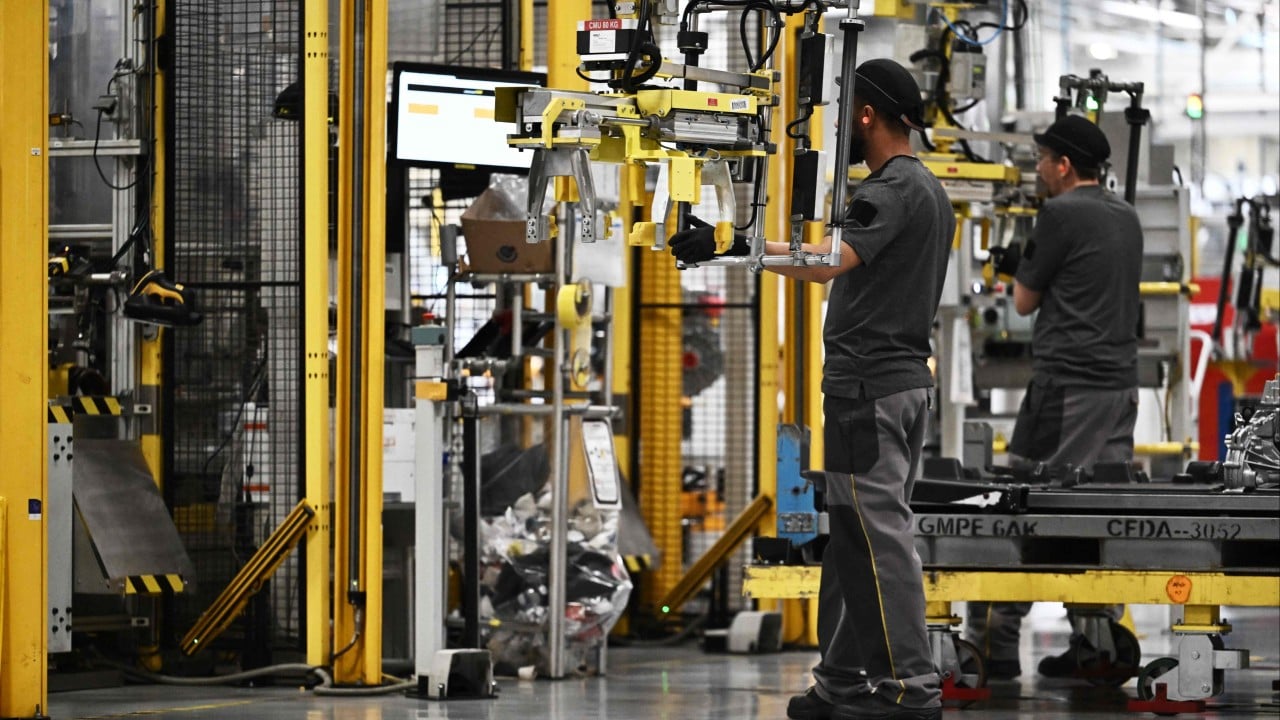
Traditional European automakers are caught in a brutal squeeze. On one side, affordable electric vehicles imported or engineered with Chinese speed threaten to capture massive market share. On the other side, legacy unions and local workers fight to protect historic manufacturing bases. When a corporate giant like Renault reorganizes its French footprint—balancing factory floor hires with white-collar reductions and leaning on external ecosystems—the anxiety in towns dependent on these facilities is palpable.
If you look past the corporate press releases, the shift toward streamlined supply chains and accelerated development cycles reveals an existential race for survival. Let's break down what is actually happening behind the headlines of Renault's restructuring and why small industrial hubs are shaking.
The Real Drivers Behind Renault's Restructuring
Automotive boardrooms across Europe are panicking about development velocity. Chinese competitors can take an electric vehicle from a blank sheet of paper to a showroom floor in under two years. Meanwhile, legacy European automakers have historically spent four to five years redesigning proprietary components for every single new project.
Renault executive management realized that sticking to the old playbook meant certain death. To close this speed gap, the automaker began leaning into broader partnerships, adopting agile components, and restructuring its domestic engineering and manufacturing divisions.
This strategy involves a painful internal trade-off. Renault announced plans to add roughly 2,000 roles in France—predominantly blue-collar assembly positions for soaring electric vehicle and van demand—while simultaneously shedding up to 1,000 white-collar office and engineering jobs through voluntary departures.
Why Small French Towns Are Panic-Stricken
Facilities located outside major urban centers, such as the Cléon motor factory near Rouen or Alpine's historic plant in Dieppe, bear the brunt of these structural adjustments. While assembly plants focused on high-demand electric models and commercial vans are seeing fresh hiring waves, component and powertrain sites face a very different reality.
At motor and transmission plants, automation and shifting technological requirements mean fewer human hands are required per powertrain. Electric motors contain significantly fewer moving parts than internal combustion engines. This mechanical simplicity translates directly into labor efficiencies—which is code for fewer jobs.
When a historic industrial town hears that its local motor assembly plant is facing position cuts while corporate strategy shifts toward external supplier ecosystems and rapid-fire engineering models, job loss fears immediately boil over. Workers know that once a manufacturing hub loses its core mandate, reversing the decline is nearly impossible.
The Danger of Rejecting Global Realities
Union leaders and local representatives often argue that partnering with foreign tech or shifting component sourcing hurts local industrial sovereignty. That protective instinct is understandable. Nobody wants to watch well-paying manufacturing heritage slip away to overseas competitors.
However, isolationism is a losing strategy in the current automotive climate. If Renault refuses to optimize its cost structure and speed-to-market by integrating efficient global supply chains, the entire company risks insolvency. Carmakers like Volkswagen are executing massive plant closures and tens of thousands of job cuts because they waited too long to adapt.
Clinging to inefficient, localized component manufacturing isn't saving jobs; it's simply delaying an inevitable collapse. The real challenge for European industrial towns isn't keeping foreign technology out. The challenge is retraining local workforces to manage advanced robotics, software integration, and next-generation assembly lines.
How Automakers and Regions Can Adapt
Surviving this transition requires a hard pivot from legacy protectionism to aggressive skills adaptation. If you manage industrial operations or navigate regional economic policy, several principles apply right now:
- Invest heavily in technical retraining: Programs offering hundreds of thousands of hours of specialized education on EV drivetrains and industrial maintenance are mandatory, not optional.
- Accept modular manufacturing: Trying to reinvent every bolt and bracket locally destroys profit margins. Sourcing mature, high-quality components from established global ecosystems allows plants to focus on final integration and quality.
- Align union negotiations with market realities: Fighting against necessary automation only pushes companies to outsource entire operations abroad. Unions must negotiate for retraining safety nets rather than freezing progress.
The anxiety in French manufacturing towns won't vanish overnight. As long as the automotive sector remains locked in a high-stakes race against hyper-efficient Asian competitors, restructuring will remain the norm. The winners won't be the factories that stay frozen in the past, but the ones flexible enough to build the future.