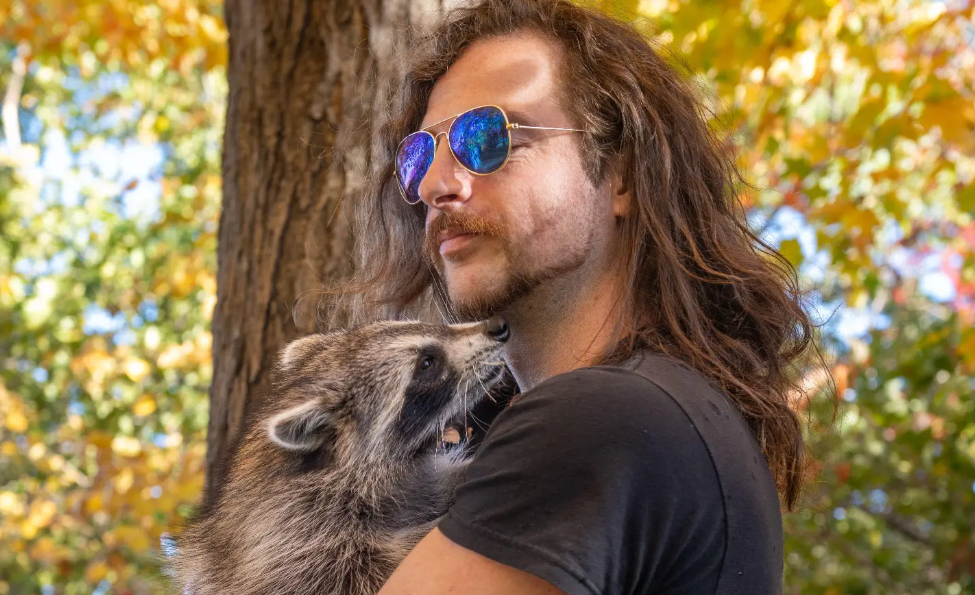
Rescuing an orphaned baby raccoon feels like common decency. You see a tiny, helpless animal alone near traffic or in distress, and your first instinct is to warm it up, feed it, and keep it safe. Then the knock comes at the door, and suddenly good intentions collide with strict wildlife laws.
Cases like a Montreal man fighting charges after rescuing a baby raccoon named Pepper expose a sharp divide between everyday compassion and public policy. Most people assume helping a wild animal earns gratitude, or at worst a gentle reminder to call a shelter. Instead, keeping a wild mammal without proper authorization can trigger fines, confiscation, and legal battles that catch rescuers completely off guard.
Let's be honest. The law doesn't care how cute the animal is or how deeply it bonds with you. Raccoons are wild animals, and in places like Quebec and across North America, wildlife agencies treat unauthorized possession seriously to protect public health, prevent disease spread, and keep wild species from becoming dependent on humans.
Why Rescuing a Baby Raccoon Triggers Legal Charges
When someone finds a baby raccoon, the emotional bond can happen fast. Young raccoons are curious, expressive, and quick to attach to the person feeding them. Once a bond forms, giving the animal up feels like betrayal.
Wildlife regulators look at the situation through a very different lens. Even if you picked up a raccoon that was abandoned or injured, holding onto it without a permit or rehabilitation license crosses a legal line in many jurisdictions. Authorities often don't draw a neat distinction between a "pet" and a "rescue" once an animal stays in a private home past initial emergency transport.
There's also a practical reason officials crack down hard. Raccoons are known vectors for diseases that affect both animals and humans, including rabies in many regions, as well as Baylisascaris procyonis, a roundworm whose microscopic eggs can pose serious neurological risks to people. When an animal becomes habituated to humans, it loses its natural wariness. Releasing a tame raccoon back into the wild often fails because it approaches people and pets without fear, creating bite risks and conflict in neighborhoods.
You might wonder why a well-meaning rescuer gets treated like a poacher. Laws are written to be enforceable across thousands of cases, and officers can't easily tell who is genuinely rehabilitating an animal versus who simply wanted an exotic pet. Strict rules exist so bad actors can't hide behind "I was just saving it."
What Happens When a Wild Animal Bonds With You
Bonding with a baby raccoon is intoxicating. They grab your fingers with tiny, dexterous paws, follow you around the house, and act like a cross between a toddler and a mischievous cat.
That attachment is part of the trap. Raccoons go through critical developmental stages where they learn survival skills and social boundaries. When raised indoors or hand-fed by people for too long, they imprint on humans instead of their own kind.
The Myth of Easy Rehabilitation
Plenty of people think, "I'll just raise it until it's big enough, then open the back door." That rarely works the way people picture.
A raccoon raised by humans doesn't automatically know how to forage effectively, avoid predators, or handle territorial rivals. Worse, a raccoon that expects food from people becomes a liability in a city or suburb. Neighbors complain, municipal traps get set, and the animal faces euthanasia or permanent placement in a licensed facility if it can't be safely released.
True wildlife rehabilitation requires specialized housing, species-specific diets, minimal human contact so the animal stays wild, and legal approval. Hand-rearing an animal on your couch is the opposite of wild rehabilitation, even when your heart is in the right place.
Common Mistakes Rescuers Make With Wildlife
I've seen how quickly good intentions go sideways when people step in without calling pros first. Almost nobody sets out to break the law or hurt an animal. They just react in the moment.
Here are the missteps that get people into trouble most often:
- Bringing the animal home instead of calling immediately: Keeping a wild animal overnight or for days while "figuring things out" is often where legal exposure starts.
- Feeding the wrong diet: Cow's milk and human snacks cause severe digestive issues and metabolic bone disease in growing raccoons.
- Letting kids or pets interact: Even a friendly baby raccoon can scratch or bite when startled, turning a rescue into a medical and public health incident.
- Posting on social media: Sharing photos or videos of a raccoon in your living room makes it easy for authorities to spot unauthorized possession.
People also underestimate how fast a cute baby turns into a strong, destructive adolescent. Adult raccoons have sharp claws, strong jaws, and a knack for opening latches and tearing through screens. What starts as a snuggly infant can become an unmanageable household hazard within months.
Public Health Rules vs. Personal Compassion
This is where the debate gets heated, and fair enough. When someone saves an animal that would otherwise die, watching fines or confiscation feels heavy-handed. Critics of strict enforcement argue that punishing everyday citizens discourages people from helping injured or orphaned wildlife.
Supporters of strict rules counter that clear boundaries save lives over the long run. Public health agencies like the CDC emphasize caution around wild mammals because rabies and other zoonotic illnesses carry severe consequences. Wildlife management agencies such as Quebec's Ministère de l'Environnement, de la Lutte contre les changements climatiques, de la Faune et des Parcs set regulations aimed at keeping wildlife wild and communities safe.
Both sides care about animals, honestly. They just weigh the risks differently. A rescuer focuses on the individual life in front of them; regulators focus on population health, disease control, and preventing human-wildlife conflict across an entire region.
What to Do Instead If You Find an Orphaned Raccoon
If you ever stumble across a baby raccoon, take a breath before scooping it up. First, check if it's actually orphaned. Mother raccoons sometimes leave kits hidden while foraging, and a baby sitting quietly isn't always abandoned.
If the animal is clearly injured, cold, near traffic, or in immediate danger, use thick gloves or a towel to place it in a ventilated box in a quiet, dark spot away from pets and children. Don't force food or water into its mouth, since aspiration is a real risk with stressed or weak animals.
Next, contact a licensed wildlife rehabilitator or your local wildlife authority right away. Ask for guidance before transporting the animal anywhere, and follow their instructions on drop-off or next steps. Getting help early protects the raccoon's best shot at a proper recovery and keeps you from walking into a legal mess you never meant to create.