Structural Vulnerability and Wildlife Infiltration Dynamics
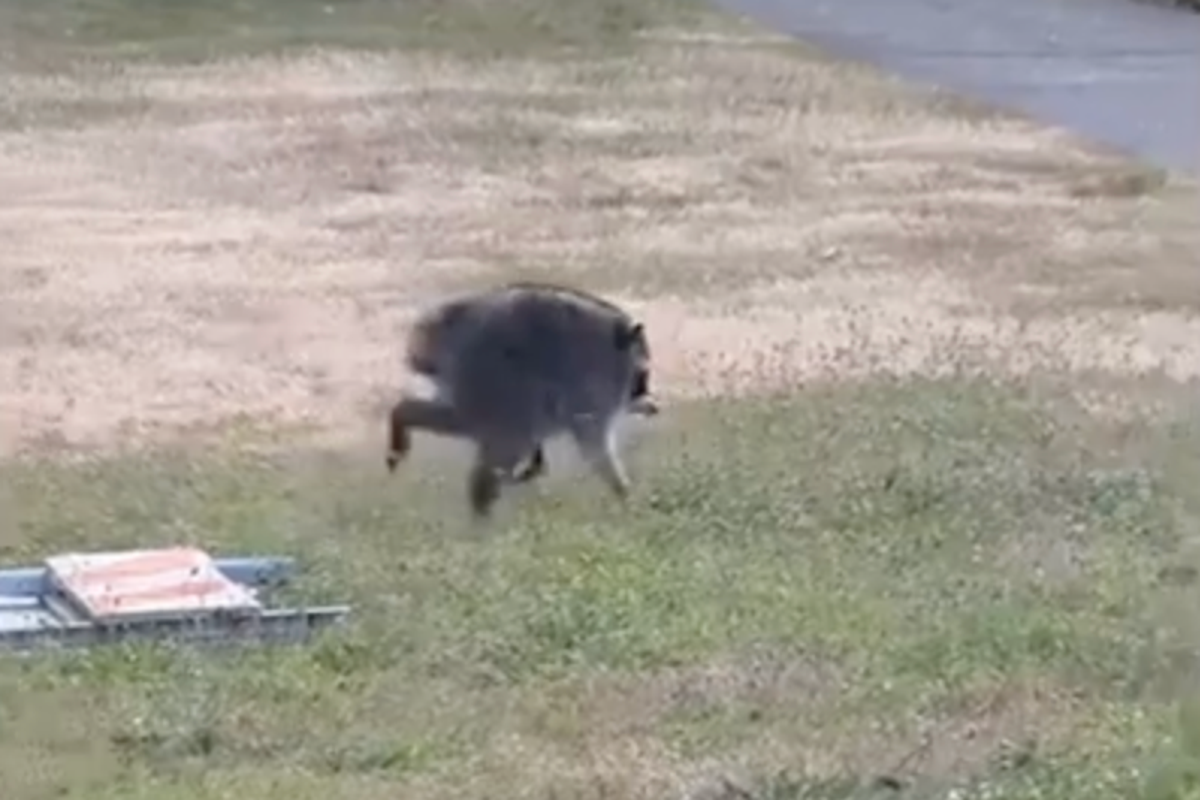
Urban residential structures present critical failure points when maintenance cycles fail to align with the adaptive behaviors of local fauna. The breach of a residential wall cavity by maternal wildlife represents a predictable failure of the building envelope, driven by thermal signatures, structural degradation, and opportunistic entry vectors. When a pregnant animal selects a human dwelling for natal denning, it operates on a precise risk-reward calculation: the cavity offers predator exclusion, microclimate stability, and proximity to anthropogenic food sources.
The progression from initial structural entry to an interior breaches follows a defined three-stage continuum:
- Primary Penetration: Exploitation of existing exterior vulnerabilities (e.g., rotted soffits, unmeshed attic vents, or degraded siding).
- Cavity Colonization: Establishment of a nest within the drywall-stud matrix, utilizing insulation materials for thermal regulation.
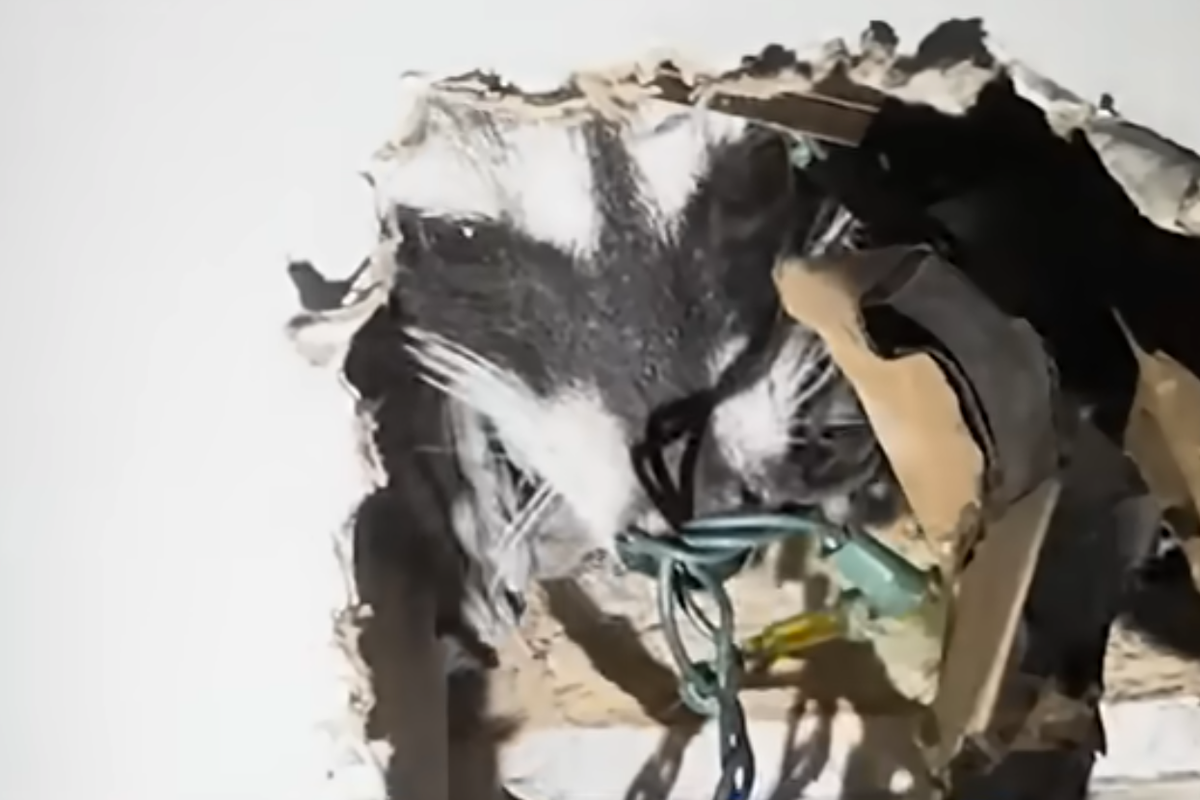
- Interior Breach: Mechanical failure of interior drywall driven by spatial constraints, maternal stress, or structural degradation caused by liquid waste accumulation.
+---------------------+     +----------------------+     +-----------------------+
|  Primary Exterior   | --> | Cavity Colonization  | --> | Interior Structural   |
|     Penetration     |     |   & Nesting Phase    |     |   Drywall Rupture     |
+---------------------+     +----------------------+     +-----------------------+
Mechanistic Breakdown of Drywall Failure
Interior wall partitions in standard residential construction rely primarily on gypsum board, typically 0.5 inches in thickness, secured to wooden or light-gauge steel studs. Gypsum possesses high compressive strength but extremely low impact and tensile resistance, particularly when exposed to localized moisture and organic wear.
[Exterior Siding] -> [Sheathing] -> [Wall Cavity / Insulation] -> [0.5" Gypsum Board] -> [Interior Room]
                                          ^
                                    Maternal Nesting
                                  & Waste Accumulation
During the gestation and brooding phases, animal activity within the wall cavity introduces two continuous degradation vectors:
Moisture Saturation
Metabolic waste and fluid accumulation compromise the structural integrity of the paper backing on the gypsum board. Once the paper facing loses tensile strength, the soft core crumbles under low mechanical pressure.
Mechanical Abrasion
Maternal wildlife engaged in nest expansion or attempting to exit an enclosed cavity exert localized kinetic force. A full-grown female raccoon (Procyon lotor) weighing between 10 and 20 pounds can generate sufficient force through clawing and pushing to fracture moisture-softened gypsum.
This structural failure culminates in an immediate breach, transforming a concealed wall infestation into a direct interior intrusion.
Risk Assessment and Mitigation Protocols
Property managers and homeowners routinely miscalculate the timeline required for animal removal, treating initial scratching noises as minor nuisance events rather than active structural threats. Delays in intervention drastically increase mitigation expenditures.
| Stage | Threat Level | Primary Risk Factor | Remediation Complexity |
|---|---|---|---|
| Exterior Breach | Low | Localized wood rot / entry | Low (Seal entry point) |
| Nesting Phase | Medium | Biohazard accumulation / insulation damage | Moderate (One-way door / extraction) |
| Wall Rupture | High | Interior biohazard / direct animal encounter | High (Full remediation & interior buildout) |
To prevent interior breaches, structural assessments must focus on early detection and physical exclusion barriers rather than delayed trapping tactics.
Systemic Prevention Blueprint
- Envelope Inspection: Conduct bi-annual thermal imaging and visual audits of all rooflines, fascia boards, and utility penetrations.
- Exclusion Hardware: Install heavy-gauge, galvanized steel mesh (0.25-inch maximum aperture) over all exterior vents and chimney caps.
- Acoustic Monitoring: Address localized, recurring scratching or chattering sounds within wall cavities within 24 hours of detection.
- Professional Extraction: Employ professional wildlife removal personnel utilizing humane exclusion doors or physical extraction methods prior to the birthing cycle to minimize structural impact and biohazard risks.
Immediate structural reinforcement of vulnerable exterior zones remains the most cost-effective hedge against interior envelope breaches.