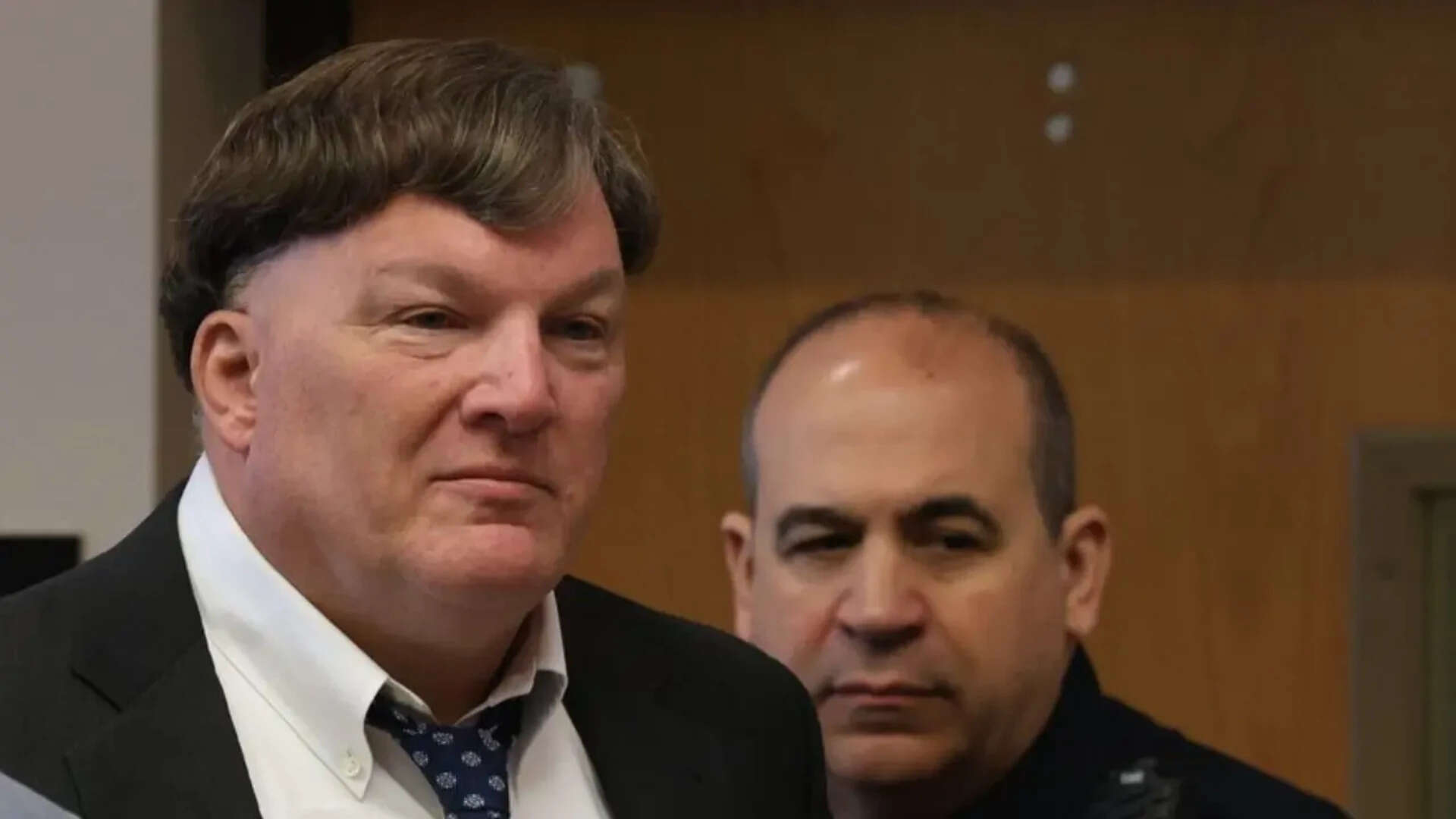
The mask finally slipped. For decades, the Gilgo Beach murders were a ghost story that haunted Long Island’s South Shore, a mystery of burlap-wrapped remains and cold trails. That changed on April 8, 2026. Rex Heuermann, the 62-year-old architect from Massapequa Park, stood in a Riverhead courtroom and admitted to what we’ve suspected all along. He’s a serial killer.
He didn't just admit to the seven murders he was charged with. He went a step further, confessing to killing an eighth woman, Karen Vergata, whose death hadn't yet led to formal charges against him. It was a cold, clinical moment. If you were looking for a dramatic movie-style breakdown, you didn't get it. Heuermann was matter-of-fact. He answered "strangulation" when asked how he caused the deaths. It's chilling how someone can describe ending lives with the same tone they might use to discuss a blueprint for a Midtown office renovation. Learn more on a connected issue: this related article.
The Eight Victims Named in Court
For years, these women were reduced to "Jane Does" or "The Gilgo Four." Today, their names are the only thing that should matter. Heuermann’s plea covers a span of nearly three decades, proving he was active much longer than the initial 2010 discoveries suggested.
- Maureen Brainard-Barnes: The first of the "Gilgo Four" to disappear in 2007.
- Melissa Barthelemy: Missing since 2009; Heuermann used her phone to taunt her sister.
- Megan Waterman: Disappeared in 2010 during a holiday weekend.
- Amber Lynn Costello: The final victim found in the initial 2010 cluster.
- Jessica Taylor: Her remains were found in Manorville in 2003 and later at Gilgo.
- Valerie Mack: Identified years after her partial remains were found in 2000.
- Sandra Costilla: A 1993 murder that pushed the timeline back significantly.
- Karen Vergata: "Fire Island Jane Doe," whose killing Heuermann admitted to in this plea deal.
The sheer timeline is staggering. We're talking about a man who allegedly began killing in the early 90s and didn't stop until the heat got too high. He lived a double life that sounds like a cliché but was a living nightmare for these families. More analysis by Associated Press delves into related views on this issue.
How the Architect’s Secret Life Unraveled
Heuermann wasn't caught because he got sloppy; he was caught because technology caught up to him. The "blueprint" for his crimes was literally found on his devices. Prosecutors described a document where he planned out his kills, a terrifying insight into the mind of a predator who treated murder like a project management task.
The evidence that broke his back wasn't just one thing. It was a mountain of it.
- The Pizza Crust: A piece of discarded pizza in Manhattan provided the DNA match to hairs found on the victims' bodies.
- The Chevrolet Avalanche: A witness description of this specific truck from years ago finally linked back to Heuermann’s registration.
- Burner Phone Habits: He thought he was being smart. He wasn't. Investigators tracked the movement of burner phones that pinged near his office in Midtown and his home in Massapequa Park.
- The Family's Absence: DNA evidence from his wife’s hair was found on the bodies. It doesn't mean she was involved—it means Heuermann committed these crimes in his own home while his family was out of state, then used their belongings to wrap the remains.
Why This Guilty Plea Happened Now
Honestly, Heuermann’s defense team was backed into a corner. They tried to get the DNA evidence tossed out in 2025, but the judge didn't budge. When that happened, the trial became a lost cause. By pleading guilty, Heuermann avoids a televised circus and, more importantly, spares his own daughter and ex-wife from testifying.
His attorney, Michael Brown, claimed Heuermann wanted to "accept responsibility." I don't buy it. This was a tactical move to maintain some shred of control over his narrative. He’s also agreed to cooperate with the FBI’s Behavioral Analysis Unit. That’s a huge win for criminology, as it might help profile other predators, but it’s small comfort to the families who spent 20 years wondering if the killer was their neighbor.
The Ghost of Shannan Gilbert
It’s important to address the elephant in the room. Shannan Gilbert’s disappearance in 2010 is what led the police to find the other bodies. However, Heuermann did not plead guilty to her death. His lawyer was very clear: "He had nothing to do with Shannan Gilbert."
The official line remains that her death was an accidental drowning in the marsh, a finding her family has fought for a decade. While this plea brings "finality" to the Gilgo Beach serial killer investigation, it leaves a lingering, bitter question mark over the woman whose disappearance started it all.
What Happens Next for Heuermann
The sentencing is set for June 17, 2026. Make no mistake: he’s never breathing free air again. He’s looking at multiple life sentences without the possibility of parole.
If you’re following this case, the focus now shifts to the "cooperation" phase. Investigators are still looking at other unsolved cases in the Tri-State area from the 90s and 2000s. With a killer who was active for over 30 years, it’s highly unlikely these eight are his only victims.
For the families of the "Gilgo Four" and the others, justice isn't a feeling—it's a record. The record now states that Rex Heuermann is exactly what they feared he was. If you want to support the victims' families, look into the Long Island Victim’s Rights groups that have been advocating for these women when the police wouldn't. They’re the ones who kept the pressure on for fifteen years until the handcuffs finally clicked.



