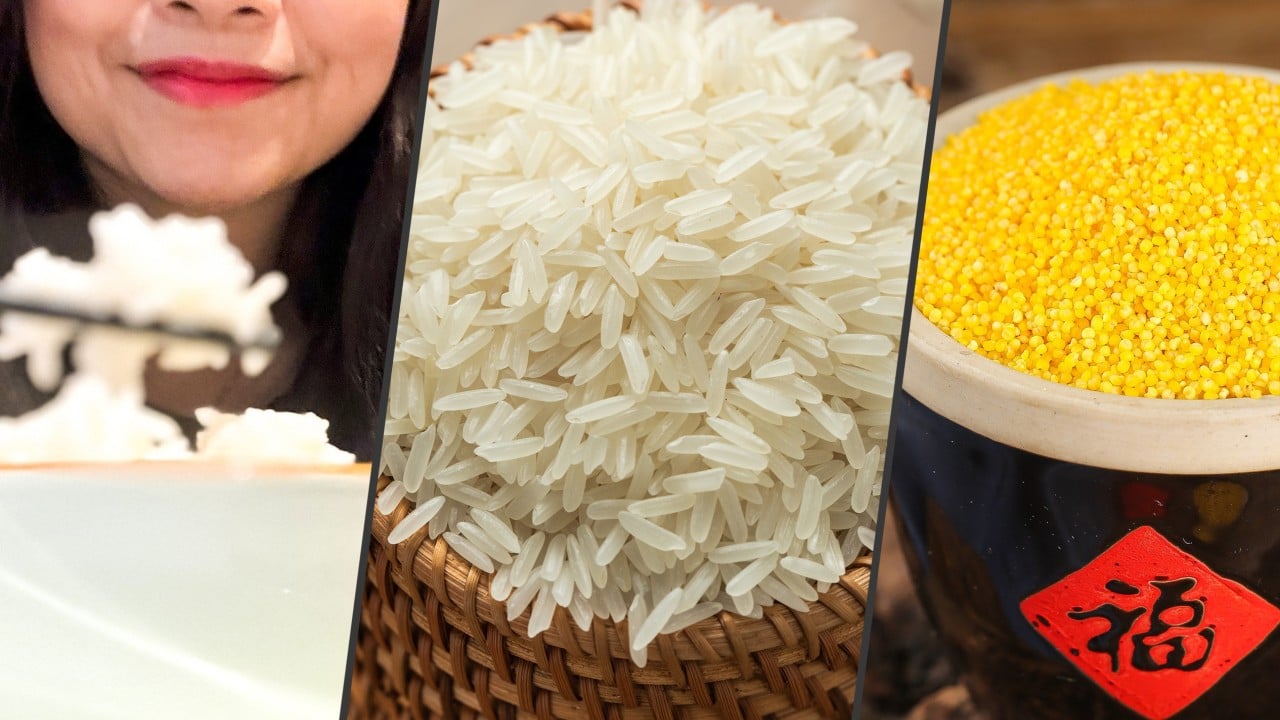
Every textbook from Beijing to Boston repeats the same comfortable mythology. We are told that wet rice cultivation forged the Chinese civilization, turning muddy riverbanks into imperial dynasties through sheer collective hydraulic muscle. Scholars write endless paeans to the flooded paddy. They treat rice as the undisputed calorie engine of antiquity.
It is a neat, romantic narrative. It is also dead wrong. For another perspective, read: this related article.
Rice did not build China. Millet did.
For decades, agricultural historians have suffered from a severe case of southern bias. They stare at the Yangtze River basin, romanticize the flooded basin, and completely miss the arid, wind-swept loess plateaus of the north where the actual state-building occurred. The Lazy Consensus treats millet as a crude subsistence survival crop, a primitive placeholder before sophisticated irrigation allowed the superior grain to take over. Related reporting on this trend has been published by BBC.
That view ignores the archaeological data and the sheer brutal physics of ancient caloric economics. Let us strip away the academic varnish and look at how human societies actually scale.
The Caloric Arrogance Of The Paddy
To understand why the standard historical timeline collapses under scrutiny, you have to look at water. Rice is a thirsty, high-maintenance diva. It demands absolute hydraulic control, predictable monsoon floods, and thousands of hours of intensive manual labor to transplant shoots knee-deep in mud.
In a controlled environment with massive labor pools, rice yields high calories per acre. But early state formation does not happen in controlled environments. It happens in chaotic, volatile, drought-prone frontier zones where you cannot simply whistle up a million peasants to dig an irrigation canal.
Millet does not care about your irrigation canals.
Both foxtail and broomcorn millet are remarkably drought-resistant C4 plants. They thrive in dry, poor soils with minimal rainfall. While southern populations were sloshing around in paddies just trying to keep their primary crop from rotting or baking, northern communities growing millet were building grain surpluses that could be stored for years without spoiling.
Rice rots. Millet endures.
When you look at the archeological record of early Chinese urbanization—sites like Erlitou or the early Shang centers along the Yellow River—you do not find massive networks of rice paddies. You find massive underground storage pits packed tight with millet. These pits were the literal vaults of the early state. You cannot tax what spoils in a season. You can hoard millet for a decade, feed an army through a five-year drought, and project military power across an unforgiving steppe frontier.
Millet provided the nutritional and logistical margins that made centralized administrative control possible in the first place. Rice merely fed a dense southern population after the infrastructure was already built by northern grain hoarders.
The Climate Reality Check
We love to imagine ancient civilizations as masters of their environment. The truth is much messier. Climate shifts dictated the rise and fall of these agricultural regimes long before emperors issued edicts.
During the Holocene Climatic Optimum, the Yellow River valley was warmer and wetter, making northern China a prime cradle for dry-land farming innovation. As the climate cooled and dried out around 4000 BCE, southern rice farmers faced severe ecological bottlenecks. They had to adapt or stagnate. Meanwhile, northern millet cultivators had already engineered a drought-tolerant toolkit that could weather multi-year precipitation drops.
When northern states expanded southward, they did not export rice culture. They imposed northern administrative structures onto southern river valleys, retrofitting the local rice economy to feed the northern military machine. The political center of gravity remained tethered to the dry-land grain baskets of the north for millennia, precisely because millet security trumped rice abundance.
If you want to understand why dynasties fell, look at the dust, not the mud. Silt accumulation in the Yellow River and northern droughts choked off the millet supply lines. Once the dry-land surplus vanished, the capitals starved, regardless of how much rice was growing down south.
Why Academia Loves The Myth
Historians lean into the rice narrative because it fits a tidy ideological box. It paints an agrarian picture of communal harmony, water management, and bureaucratic coordination. It smells of Confucian order and poetic river-side contemplation.
Millet does not afford that kind of romantic indulgence. Millet is harsh. It tastes earthy, it grows in dust, and its cultivation demands gritty resilience rather than delicate garden-tending. It lacks the aesthetic appeal of a flooded green terrace reflecting a sunset.
Yet, ignoring millet means misunderstanding the foundational logistics of imperial expansion. The Qin and Han dynasties did not conquer the known world on bowls of steamed rice. They marched on hard-tack millet cakes that could survive saddlebags, desert crossings, and siege warfare.
Stop viewing millet as the awkward precursor to a better grain. It was the architectural bedrock of an entire civilization, operating quietly in the background while rice stole the spotlight. The next time you read about the origins of East Asian statecraft, remember that empires are not built on what tastes best or yields the most calories in a greenhouse. They are built on what stays edible when the rains stop and the empire has to survive.