When a massive 7.7-magnitude earthquake hits, your brain takes a few seconds to realize what is happening. The asphalt you trust to hold your tires suddenly turns into liquid waves. If you are caught on two wheels when the earth splits or rolls, physics turns against you instantly. A viral video captured this exact terror in Panama, showing a rider desperately trying to stay upright while the ground convulsed beneath them.
Most people never stop to think about how violent seismic activity affects vehicles in motion. They picture collapsing buildings or cracked highways, but they forget about the simple act of maintaining traction. When a major tremor strikes, motorcycles and bicycles offer zero lateral stability. You cannot brake normally, you cannot steer out of danger, and your momentum can easily throw you straight onto the pavement.
The Physics Of Riding Through Seismic Shockwaves
Ground acceleration during a 7.7-magnitude earthquake creates forces that human reflexes simply cannot outrun. Pavement shifts horizontally and vertically in fractions of a second. If you are rolling forward on a bike, your tires lose their grip as the surface ripples.
The viral footage from Panama highlights a terrifying reality. Streetlights swing overhead like pendulums, power lines whip back and forth, and the rider has to ditch forward momentum entirely. Trying to accelerate through a major quake is a gamble with zero odds of winning. Without traction control designed for shifting tectonic plates, two-wheeled transport becomes an unmanageable liability.
What Real Disaster Footage Reveals About Survival Instincts
When disaster strikes in public view, social media algorithm feeds flood with clips, but few viewers analyze the actual survival mechanics on display. In the Panama video, the immediate instinct to abandon the bike saved the rider from a secondary crash. Staying mounted while the asphalt buckles guarantees a fall.
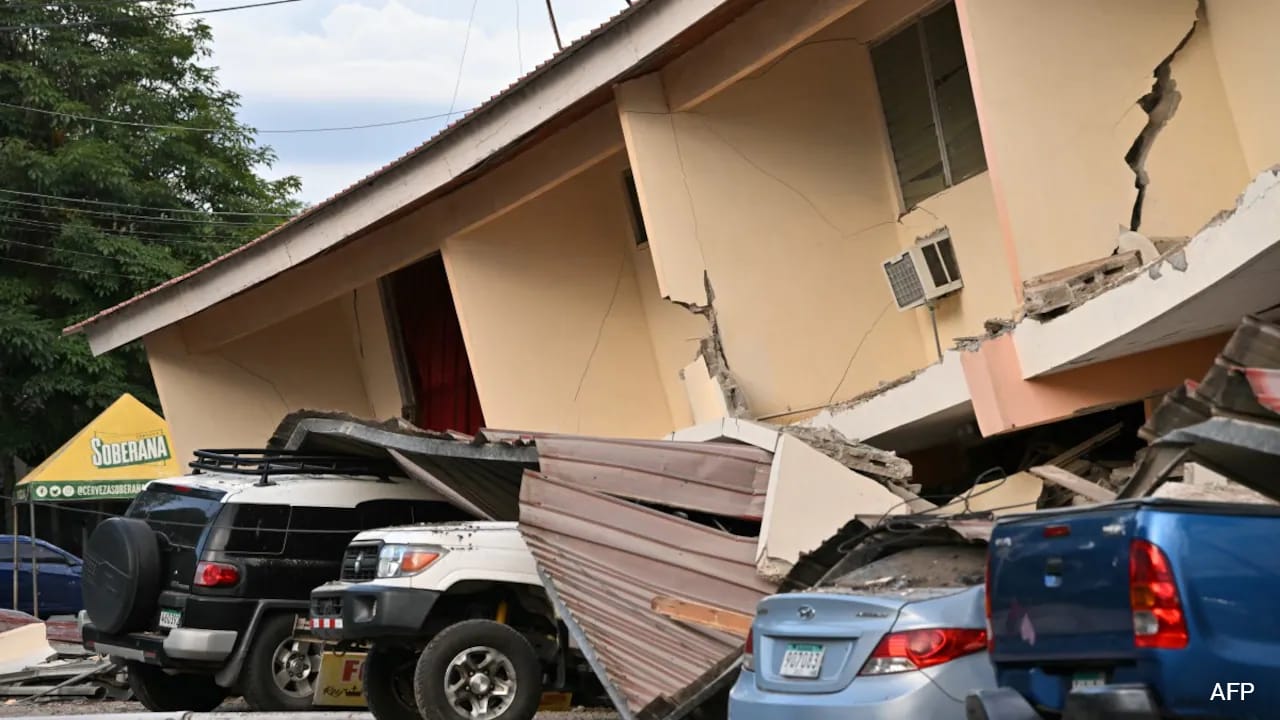
Beyond the viral clips of cyclists and pedestrians scrambling for open ground, the wider impact of the quake was severe. National emergencies were declared, hundreds of homes sustained structural damage, and aftershocks rolled through the region for days. Yet, it is these micro-level moments—like a commuter caught mid-ride—that show how quickly daily life disintegrates. One second you are checking your mirrors, and the next you are fighting gravity on a buckling sidewalk.
How To Handle Sudden Ground Shaking On The Road
If you ever find yourself commuting, cycling, or driving when a major earthquake hits, standard safety rules apply immediately, but execution is harder than it sounds.
Stop safely if you can do so without causing a collision. Do not try to speed away from the epicenter because you cannot outpace seismic waves traveling through the crust. Get off your bike or out of motion entirely. Move away from overhead power lines, glass facades, and unstable masonry walls that can collapse without warning. Drop low, protect your head, and wait until the shaking stops completely before attempting to move, as major aftershocks frequently follow the main jolt.
Stay alert to your surroundings, ignore the urge to keep moving toward your destination, and treat the environment as hostile until official structural and transit checks are cleared.


