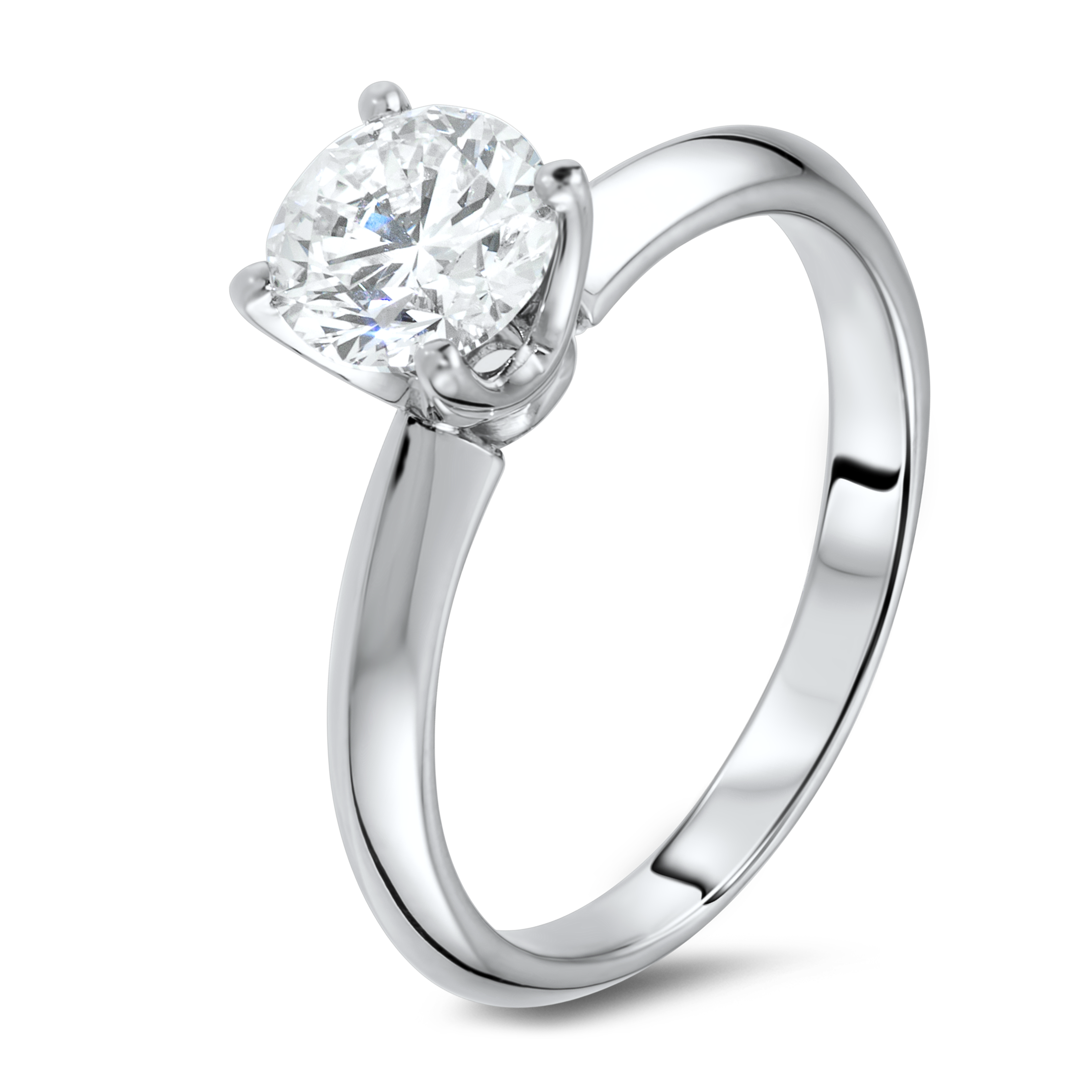
The green light blinks against the skin of your index finger while you sleep. It pulses. It measures the subtle expansion of your blood vessels, the microscopic shift in your skin temperature, the precise cadence of your heart as it slows into deep rest.
Most people don’t think about their pulse until it starts racing. But for millions of people, that little titanium band has become a strict, silent mirror. You wake up, reach for your phone, and wait for a single number to tell you how you feel.
Now, that same silent observer is stepping into the loudest room in the world.
Oura, the Finnish pioneer of the smart ring market, has quietly filed for an Initial Public Offering (IPO) in the United States. They did it confidently. That means the public cannot see their financial books yet. The numbers are hidden in a vault at the Securities and Exchange Commission, known only to Wall Street gatekeepers and company insiders.
But this story isn't about regulatory filings or ticker symbols. It is about a fundamental shift in how human beings relate to their own bodies, and the immense financial machine rushing to monetize that obsession.
The Tracker in the Mirror
Consider a hypothetical user named Sarah. She is thirty-four, manages a chaotic marketing team, and drinks one too many cups of coffee at 3:00 PM. For two years, Sarah has worn an Oura ring. It knows when she is getting sick before she feels a scratch in her throat. It knows that the glass of wine she drank on Thursday night ruined her REM sleep.
One morning, Sarah wakes up feeling fine. She stretches, brews her coffee, and opens the app. Her "Readiness Score" is a dismal 52 out of 100.
Suddenly, she feels tired.
This is the psychological reality of the biometric age. We have outsourced our intuition to sensors. The algorithm tells us when to push, when to rest, and when we are failing at the basic human art of survival.
When Oura first launched on Kickstarter in 2015, it looked like a clunky piece of plastic jewelry destined for the tech-gadget graveyard. The market was dominated by bulky wristbands that screamed I am tracking my steps. Oura chose a different path. They targeted the finger, where the arteries are closer to the surface, promising medical-grade accuracy disguised as a luxury accessory.
It worked. They transitioned from a niche biohacking tool to a cultural phenomenon. Celebrities wore them on red carpets. Royal family members were spotted with them. During the pandemic, professional sports leagues bought them by the thousands to detect early signs of illness in athletes.
But a subculture of tech enthusiasts cannot sustain a multi-billion-dollar public valuation. To understand why Oura is heading to the stock market now, we have to look at the invisible war currently raging on our hands.
The Land Grab for Your Left Hand
For years, Oura enjoyed a comfortable kingdom. They owned the smart ring space.
Then came the giants.
Samsung entered the arena with the Galaxy Ring. Tech rumors suggest Apple is constantly sketching out its own version of a smart ring in Cupertino design labs. Suddenly, the quiet Finnish company that spent a decade perfecting sleep tracking is staring down competitors with bottomless marketing budgets and global supply chains.
Going public is not just a victory lap; it is a defensive maneuver. Oura needs capital. Millions, perhaps billions, to fund research, scale manufacturing, and stay ahead of tech titans who view the smart ring not as a core product, but as an ecosystem add-on.
The business model has already shifted to prepare for this moment. Oura used to sell you a ring, and that was it. Then, they introduced a monthly subscription fee to unlock your own health data. It was a controversial move. Users felt betrayed. Why should I pay every month to see how many hours I slept in a ring I already bought? From a business perspective, the answer is simple: Wall Street loves recurring revenue. Investors do not want to buy a company that relies entirely on hardware sales. They want predictable, month-over-month digital cash flow. By locking health insights behind a paywall, Oura transformed itself from a jewelry maker into a software-as-a-service platform.
The Precision of Small Things
To appreciate why this tiny piece of tech commands such a massive market presence, we have to look at the engineering reality.
A smartwatch sits on the top of your wrist. It moves. It encounters light leakage. The skin is thicker, and the blood vessels are buried deeper beneath tissue.
A ring wraps tightly around the digital arteries of the finger. It is the ideal location to capture accurate photoplethysmography—the technical term for using light to measure blood flow. The ring shoots infrared light into your skin. The amount of light reflected back changes with every heartbeat.
From that simple reflection, algorithms deduce your heart rate variability, your respiratory rate, and your sleep stages. It is a beautiful piece of miniaturization.
But data without context is just noise. The real magic, and the real danger, lies in how that data changes human behavior.
We live in a culture obsessed with optimization. We track our macros, our screen time, our investments, and our steps. We treat our lives like corporations that must show quarterly growth. The smart ring fits perfectly into this mindset. It promises control in an uncontrollable world. If your job is stressful and your relationships are complicated, at least you can get an optimal sleep score.
Yet, anyone who has worn one of these devices for a prolonged period knows the creeping anxiety it can induce. Orthosomnia is a relatively new term coined by sleep researchers. It describes a condition where patients become so obsessed with achieving perfect sleep data on their trackers that they actually develop insomnia.
We lie in bed, staring at the ceiling, stressed about the fact that our stress levels are ruining our readiness score for tomorrow.
The Invisible Stakes
When a company files for an IPO confidentially, it buys time. It allows the leadership team to test the waters, pitch to institutional investors, and fine-tune their narrative away from the public glare.
Oura is pitching a vision of the future where healthcare is proactive, not reactive. They want investors to believe that a ring can replace the annual physical. They are expanding into women’s health, tracking menstrual cycles through temperature fluctuations. They are studying corporate wellness, imagining a world where employers give bonuses based on employee recovery scores.
Think about that implication for a moment.
If your health data becomes a financial asset for a public company, where does that data ultimately go? Oura has historically been protective of user privacy, but public companies face a different set of pressures. They answer to shareholders who demand growth. The line between a helpful health tracker and a tool used by insurance companies to adjust your premiums is terrifyingly thin.
This is the hidden cost of the biometric boom. We hand over our most intimate biological secrets in exchange for a sleek aesthetic and a morning notification.
The Quiet Room
The transition from a private company to a public ticker symbol changes a business's soul. Decisions are no longer made just in the interest of the user; they are made to appease the algorithmic trading desks of New York.
Oura has proven that people want the ring. They have proven that we are willing to pay a premium to know ourselves better. But as they step onto the trading floor, the pressure to innovate faster, sell more hardware, and extract more subscription revenue will become relentless.
Tonight, millions of people will go to sleep with that familiar band on their finger. The green lights will pulse against their skin in the dark. The ring will quietly log the midnight toss and turn, the deep plunge into slow-wave sleep, the sudden spike in heart rate from a vivid dream.
The ring knows exactly who we are when we are unconscious. Soon, we will see if the market values that knowledge as much as we do.