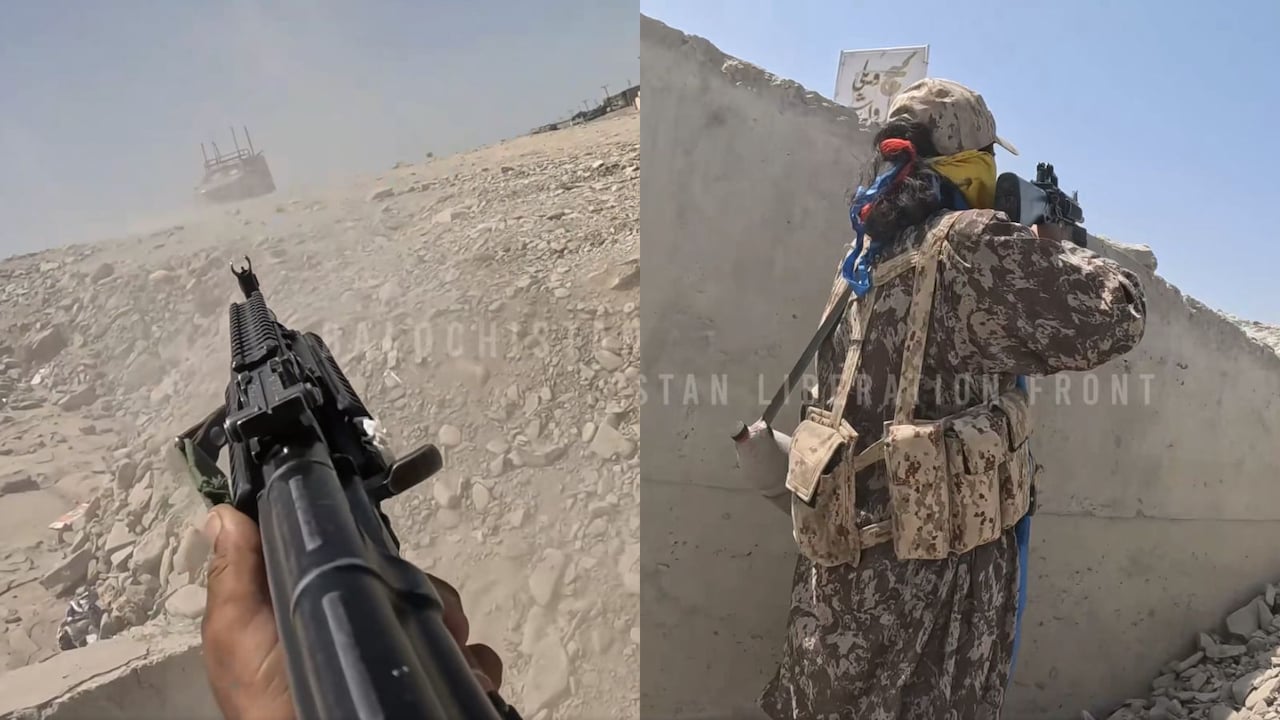
The security calculus in Pakistan's resource-rich southwest is shifting in ways military planners in Islamabad hate to admit. When insurgent factions began deploying female fighters into high-profile operations, it wasn't just a tactical surprise. It signaled a structural transformation in the decades-old Balochistan conflict.
If you've been tracking regional security, you know the narrative usually focuses on roadside improvised explosive devices or remote skirmishes. But recent escalations—including operations tied to specialized wings like the Balochistan Liberation Army's Majeed Brigade and newer setups like the Balochistan Liberation Front's Karima Armed Assault Division (KAAD)—point to a darker, more entrenched phase of asymmetric warfare.
Let's look at what's actually happening on the ground, why these tactics are evolving, and what they mean for projects like the China-Pakistan Economic Corridor (CPEC).
The Changing Face of the Insurgency
For years, mainstream analysis treated the Baloch nationalist movement through a traditional lens. Armed groups operated with distinct hierarchies, and active combat roles were overwhelmingly male.
That boundary dissolved when groups began utilizing female suicide bombers and dedicated tactical units. Incidents involving attackers like Shari Baloch in Karachi or subsequent operations targeting military convoys in districts like Turbat and Kalat shattered previous assumptions.
The formation of dedicated female combat divisions—named after political figures like the late student activist Karima Baloch—bridges political grievances with active militant deployment. When an independence movement incorporates women into specialized assault wings, it creates severe counter-insurgency dilemmas for state forces. Traditional checkpoints, intelligence gathering frameworks, and standard security protocols struggle to adapt to these shifts.
Why Recruitment Patterns Are Changing
State repression, enforced disappearances, and economic alienation serve as primary fuel for insurgent recruitment. In regions where families report missing relatives following military sweeps, the grievance pool deepens.
Insurgent leadership understands the propaganda and psychological value of these deployments. Operatives who volunteer for high-risk missions often leave behind video or audio messages framing their actions as a desperate response to systemic state apathy. This narrative resonates locally, making it harder for Islamabad to win the "hearts and minds" campaign in Balochistan.
Instead of isolating the insurgency, aggressive security measures often drive more radicalized individuals directly into underground networks. It's a classic feedback loop of kinetic action and counter-action, and neither side is backing down.
The Economic and Geopolitical Fallout
Balochistan isn't just another province. It holds massive reserves of copper, gold, natural gas, and sits at the heart of multi-billion-dollar Chinese infrastructure investments.
When insurgents target convoys, military installations, or infrastructure nodes, they send a direct signal to foreign investors. Disrupting CPEC projects is an explicit goal for groups trying to sever economic ties with the central government. Every high-casualty ambush or complex assault raises insurance and security costs, turning the region into a high-risk zone for foreign nationals and state workers alike.
Islamabad responds with sweeping security operations, curfews, and reinforced outposts, but the structural vulnerability remains. You can't garrison every mile of highway or secure every remote mountain pass against an entrenched local insurgency that blends seamlessly into the population.
The Limits of State Strategy
Pakistan's military establishment relies heavily on conventional deterrence and kinetic clampdowns. Yet, military dominance alone hasn't solved a political crisis rooted in resource distribution and provincial autonomy.
Until civilian governance addresses local grievances over natural resource royalties, economic development, and civil liberties, militant factions will continue to find willing recruits—regardless of gender or tactical profile. The deployment of specialized combat units marks an escalation that conventional force packages struggle to neutralize permanently.
Expect further volatility as these groups refine their urban and rural operational capabilities. The conflict in Balochistan has moved past a localized skirmish; it's a persistent bleeding wound on Pakistan's western flank.
Why More Women in Balochistan Are Joining the Fight
This video provides additional context on the tactical shifts and socio-political factors driving women to join militant combat units in Balochistan.