The recent escalation in cross-border strikes targeting critical infrastructure in Saudi Arabia has pushed regional tensions to a boiling point. When reports confirmed that the death toll climbed following coordinated attacks on aviation hubs like King Khalid International Airport in Riyadh, it stopped being a localized border conflict. It became an international flashpoint affecting global supply chains, aviation safety, and millions of civilian travelers.
If you look past the standard wire service headlines, the reality on the ground is far more complex. The collapse of previous truces has ushered in a dangerous new phase of drone and ballistic missile campaigns orchestrated by Yemen's Houthi movement. These aren't just symbolic gestures; they are calculated moves designed to disrupt the economic lifeblood of the kingdom and rattle international confidence.
Why These Aviation Strikes Are Different This Time
For years, Saudi air defense systems managed to intercept the vast majority of incoming projectiles before they reached densely populated areas or major economic centers. However, the recent series of strikes hitting international airports tells a different story.
When a ballistic missile or explosive-laden drone breaches airspace near a primary transit hub like Riyadh, the consequences ripple outward immediately. We've seen:
- Fatalities and hundreds of injuries among civilian airport workers, passengers, and foreign nationals.
- Emergency airspace closures that strand thousands of travelers and paralyze regional transit.
- Major international carriers suspending or heavily modifying routes into the Gulf, creating long-term scheduling nightmares.
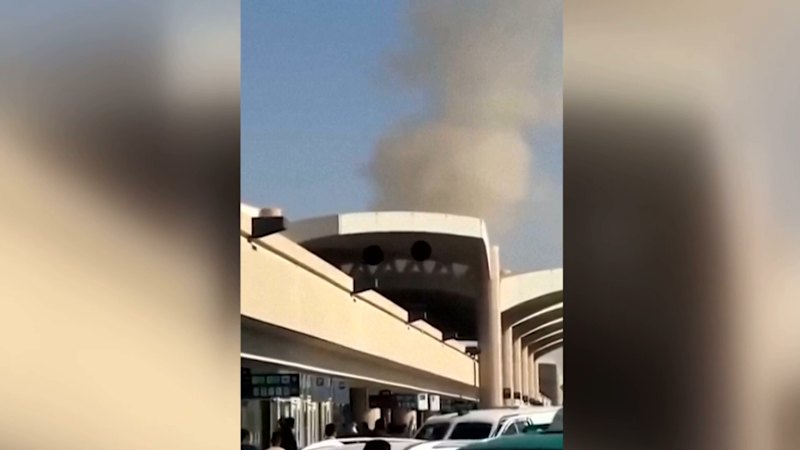
The October attack on King Khalid International Airport, which left 14 dead and hundreds injured, marked one of the deadliest single incidents in the kingdom in over a decade. Subsequent explosions and ongoing alerts near the capital demonstrate that these threats aren't fading away.
The Broader Economic and Geopolitical Fallout
Airports are chosen targets for a reason. They represent global connectivity, foreign investment, and state prestige. When operations grind to a halt—forcing high-profile events like the kingdom's flagship investment conference to be pushed back to 2027—the economic friction is immediate.
European aviation safety regulators have responded by extending conflict-zone airspace advisories across the Gulf well into early 2027. Airlines are forced to recalculate fuel loads, reroute paths, and balance commercial viability against crew safety. While regional hubs like Dubai continue managing winter travel recoveries with relative insulation, the uncertainty surrounding Saudi airspace remains a persistent headache for logistics planners.
Diplomatically, the stakes are equally high. The involvement of international defense systems—such as requests to maintain Patriot missile batteries in the region—highlights how heavily Gulf security relies on foreign military partnerships. Yet, defense hardware alone doesn't solve the underlying political impasse. Until a sustainable political settlement is reached in Yemen, civilian infrastructure will remain uncomfortably exposed to asymmetric warfare tactics.
What Travelers and Observers Should Watch Next
If you're tracking this situation or trying to navigate travel logistics in the Middle East, reliance on real-time data is non-negotiable. Major carriers are adopting a reactive stance, resuming flights only when security assessments clear.
Pay attention to official advisories from aviation authorities rather than sensationalized social media panic. The situation is volatile, but commercial corridors are adapting through alternative routing via regional airports like Dammam or Jeddah when necessary.
The rising casualties are a grim reminder that modern conflicts rarely stay confined to traditional front lines. As long as civilian hubs remain targets, the fallout will continue to test the resilience of global aviation and Middle Eastern stability alike.