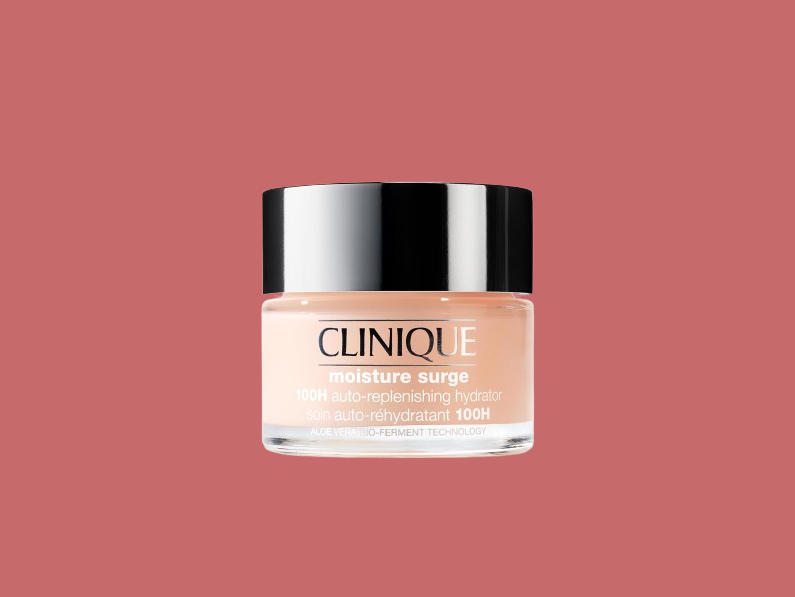
The bathroom floor is cold against bare heels at six in the morning. Before the coffee pot sputters to life, before the first text message flashes across a dark screen, there is a small, quiet negotiation that happens in front of a mirror. We look at the reflection. We measure the fatigue under our eyes. We reach out our fingers and touch the smooth glass of a dropper bottle, or twist the cap of a jar we bought six months ago during a midnight scroll.
We do not talk much about why we do this. We call it self-care, or a beauty routine, or just maintenance. But underneath the sleek packaging and the chemical compounds lies something much older and far more fragile: an attempt to anchor ourselves in a changing world.
Right now, warehouses are humming across the country. Conveyor belts are moving at furious speeds. Lights are burning through the night as digital shopping carts fill up with thousands of discounted items during the Amazon Prime Big Deal Days. Fourteen specific beauty items sit at the center of this digital frenzy—cult-favorite serums, heavy moisturizers that smell like crushed almonds, vitamin C concentrates meant to wake up tired skin.
To the casual observer, it looks like consumerism at its loudest. A digital stampede for discounted luxury. But if you stand close enough to the screen, the noise fades away. What remains is a portrait of people trying to hold onto a sense of self when the weather turns cold, the days grow short, and the mirror feels a little less forgiving.
Consider Elena, a thirty-four-year-old graphic designer living in a cramped apartment where the radiator clanks and hisses like an angry animal. By October, the air inside her home becomes a desert. Her skin flakes, tightens, and pulls. By four in the afternoon, she looks in her monitor's dark glass and sees a ghost of the person who woke up that morning.
For Elena, hunting for beauty deals during a major online sales event isn't about greed or accumulating clutter. It is an act of tactical defense. When you live paycheck to paycheck, luxury is often an inaccessible country. You read about the fifty-dollar peptide creams in magazines, nod along, and buy the generic drugstore lotion that smells faintly of plastic.
Then comes the anomaly. A forty percent price drop on a bottle of snail mucin essence or a targeted retinol that dermatologists have sworn by for a decade. Suddenly, the fortress wall lowers just enough for ordinary people to step inside.
"I just want to feel like I'm taking care of myself," Elena says, staring at her screen while a timer ticks down in the corner of the webpage. "Is that stupid? It feels stupid. But when my face doesn't hurt from the dry air, I work better. I feel like I'm putting my best foot forward."
It isn't stupid at all. It is biology wrapped in psychology.
When we apply a product to our skin, a cascade of neurological signals fires through the body. The ritual of touch—the gentle upward sweep of fingertips against the cheekbone, the coolness of gel hitting the forehead—signals the nervous system to downshift. It is a biological pause button. For two minutes twice a day, you are forced to stop multi-tasking. You are forced to inhabit your own skin.
The beauty industry understands this dependency better than anyone. They package the neurology of touch inside gorgeous amber glass and minimalist typography. They charge astronomical figures because they know that what people are actually buying is not the squalane or the hyaluronic acid; they are buying the permission to spend ten minutes on themselves without guilt.
This is why events like the Prime Big Deal Days generate such feverish devotion. They democratize that permission, even if only for forty-eight hours. When fourteen curated items—ranging from overnight moisture masks to clinical-grade exfoliants—drop by half, the invisible barrier between aspiration and reality dissolves.
Let us look closer at what happens when these packages arrive on front steps across the country.
The cardboard box sits on the kitchen table. Using a thumbnail, you slice through the tape. Inside, nestled in crinkled brown paper, is a heavy glass jar. You lift it out. It feels substantial, weighted, expensive. You unscrew the lid, peel back the protective foil seal, and dip a clean finger into the cool, creamy center.
The scent hits first. Green tea, or unscented purity, or a sharp hit of citrus that cuts through the fog of a long week. You dab a small dot onto the back of your hand. It melts instantly, sinking into the microscopic cracks of skin left dry by autumn winds.
There is a brief, sharp hit of satisfaction. A dopamine spark.
Critics call this shallow. They point to the mountains of cardboard, the global supply chains, the relentless marketing engines pushing us to consume more, more, more. And they are not wrong. The environmental toll of our collective obsession with youth and glow is staggering. Every plastic pump and laminated carton lingers in landfills for centuries.
Yet stopping at the critique of consumerism misses the human machinery underneath. To dismiss beauty products as mere vanity is to misunderstand why humans have painted, oiled, and polished their skin since the time of crushed lapis lazuli and animal fats in ancient Mesopotamia. We decorate our mortal shells because we know they are temporary. We care for our skin because it is the boundary line between the terrifying chaos of the outside world and the fragile sanctuary of the self.
When the temperature drops and the world grows harsh, our bodies respond by contracting. We pull our shoulders up toward our ears against the wind. We hide behind high collars and heavy coats. The skin takes the brunt of this seasonal retreat, turning dull, gray, and defensive.
Stocking up on fourteen essential beauty products during an autumn sale is a counter-offensive. It is a declaration that despite the cold, despite the dwindling daylight, despite the quiet anxieties of paying bills and navigating uncertainty, we refuse to let ourselves wither away.
We invest in barriers. We invest in moisture. We invest in the illusion of control.
And sometimes, that illusion is enough to get us through November.
The real magic doesn't happen in the warehouse where the robot arms sort boxes at lightning speed. It doesn't happen in the corporate boardroom where marketing executives calculate profit margins on vitamin C serums.
It happens in front of a fogged-up bathroom mirror at 11:00 PM.
The house is dark. The rest of the family is asleep. A single yellow bulb casts a warm glow over the sink. You scoop a dollop of thick, restorative night cream onto your palm, warm it between your fingers, and press it gently into your cheeks. You breathe out slowly. You watch your shoulders drop two inches.
The sale is over. The discount codes have expired. The boxes have been flattened and thrown into the recycling bin. But the ritual remains.
You turn off the light, walk down the dark hallway, and climb into bed. For the first time all day, your skin feels safe in the dark.