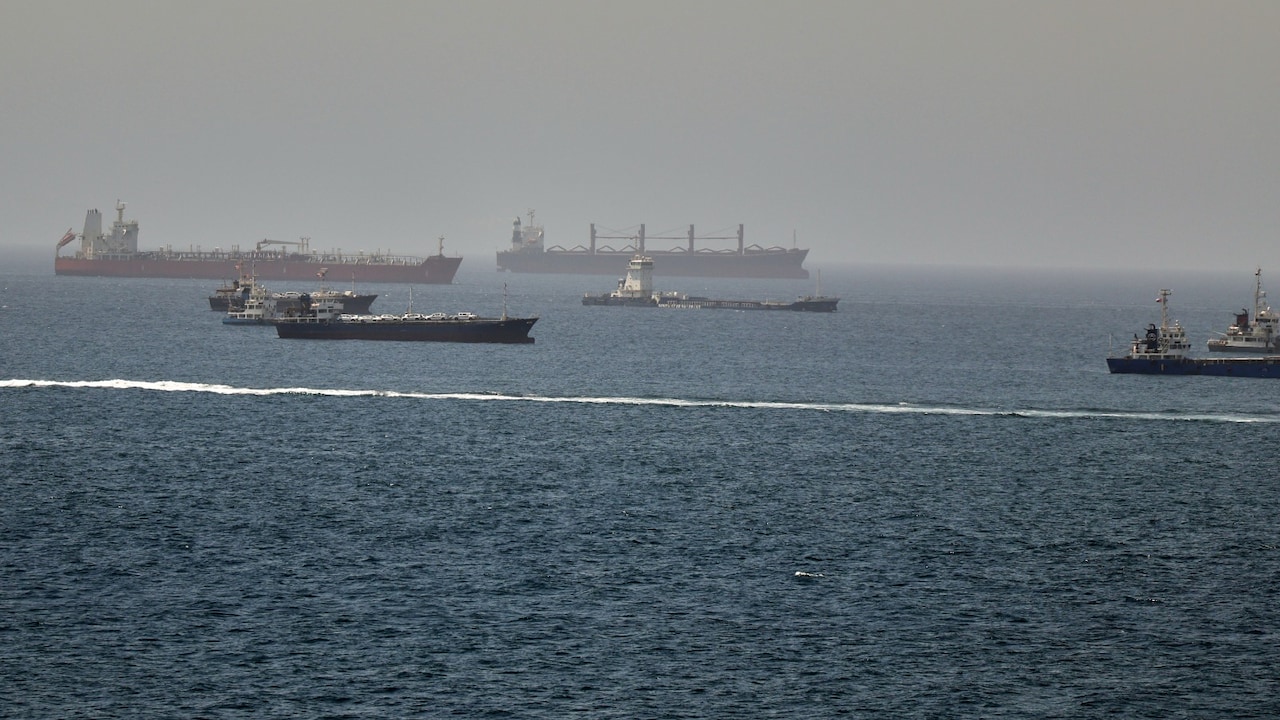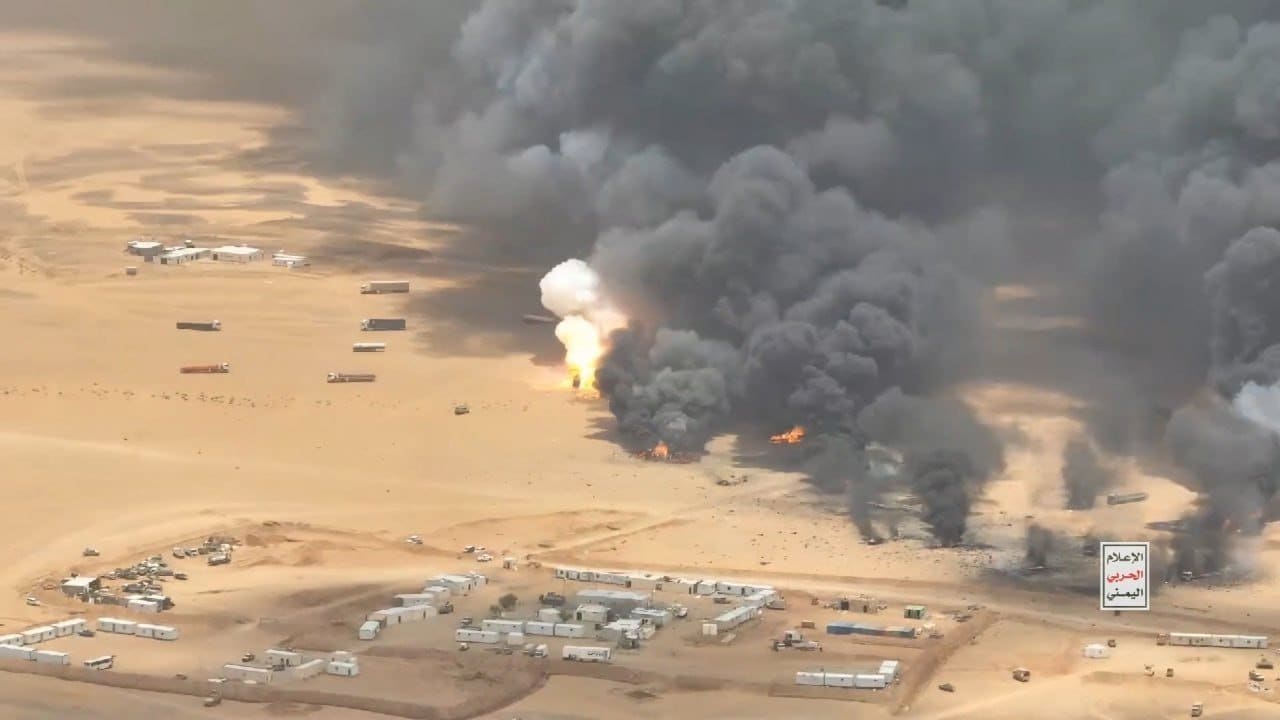
Foreign policy shifts don't happen in a vacuum. When old security architectures start cracking under the weight of sustained regional cross-border strikes, capitals scramble to find reliable counterweights. Riyadh has spent years trying to gracefully exit its protracted military quagmire in Yemen, only to watch the security situation around the Bab el-Mandeb Strait and its own southern frontier deteriorate. The collapse of previous truces and the escalation of maritime blockades have forced Saudi strategists to look beyond traditional Western security umbrellas, seeking targeted tactical backing from global and regional heavyweights like France, Britain, and Pakistan.
If you look past the official diplomatic communiques, a stark reality emerges. Modern air defense systems and intelligence networks are expensive to maintain and even harder to operate at peak efficiency during a relentless drone and missile campaign. Riyadh's pivot toward specialized international partnerships isn't a sign of weakness; it’s an admission that modern asymmetric warfare requires a multi-layered coalition of capabilities. Understanding why these specific nations fit into Saudi Arabia's calculations requires looking at the actual military assets, training pipelines, and strategic geography involved.
The Reality of Modern Air Defense and Red Sea Security
Protecting critical infrastructure like oil export terminals at Yanbu or urban centers from incoming projectiles is an exhausting logistical puzzle. Patriot batteries and advanced radar arrays absorb immense pressure when a non-state actor possesses low-cost loitering munitions and cruise missiles. Paris has historically maintained a strong security footprint in the Gulf, quietly deploying specialized technical detachments and air defense assets to safeguard vital energy nodes. French military planners bring a distinct doctrine of expeditionary defense that complements Saudi operational needs without requiring a messy, full-scale combat footprint on the ground.
London operates on a different vector. British military ties with the Gulf run deep through decades of defense cooperation, intelligence sharing, and arms procurement. While British boots aren't patrolling the frontlines in Yemen, UK technical advisors and specialized units provide crucial operational training and logistical troubleshooting. When you're trying to maintain complex electronic warfare suites under desert conditions, having reliable institutional partners who know your hardware inside and out is basically non-negotiable.
Where Pakistan Fits Into the Strategic Calculus
The inclusion of Islamabad in these security equations often draws misinformed commentary from analysts who view alliances purely through a Western lens. Pakistan possesses one of the largest standing armies in the Muslim world, alongside extensive counter-insurgency expertise honed over decades of internal and regional security challenges. However, domestic political realities in Islamabad mean that any security commitment must walk a very fine line.
Pakistan's leadership has historically favored strategic deterrence and defensive capacity building over aggressive foreign interventions. When friction points flare up on the Saudi frontier, Islamabad's role typically leans toward specialized training, technical advisory frameworks, and maintaining a broader regional deterrent against escalatory spirals. It's a delicate diplomatic tightrope. Pakistan wants to protect its vital economic and religious ties to Riyadh while avoiding entanglements in messy civil wars that lack a clean political endgame.
Moving Past the Illusion of Quick Fixes
The core misconception in mainstream reporting is that bringing in extra foreign partners will magically snap the conflict back into a favorable equilibrium for Riyadh. Warfare doesn't work that way. The Houthis have demonstrated a resilient capability to manufacture, adapt, and deploy asymmetric weapons systems regardless of external air campaigns. Pumping more advanced hardware into the theater only addresses half the equation.
Real security will require a durable political settlement that addresses the underlying governance and economic crises inside Yemen—a goal that proves stubbornly elusive. Until a comprehensive political track gains traction, Saudi Arabia will continue to lean on its network of foreign partners to fortify its borders, secure vital shipping lanes, and absorb the shock of persistent regional instability. Keep an eye on how these bilateral defense agreements evolve on the ground, because they will dictate the security baseline for the entire Arabian Peninsula for years to come.