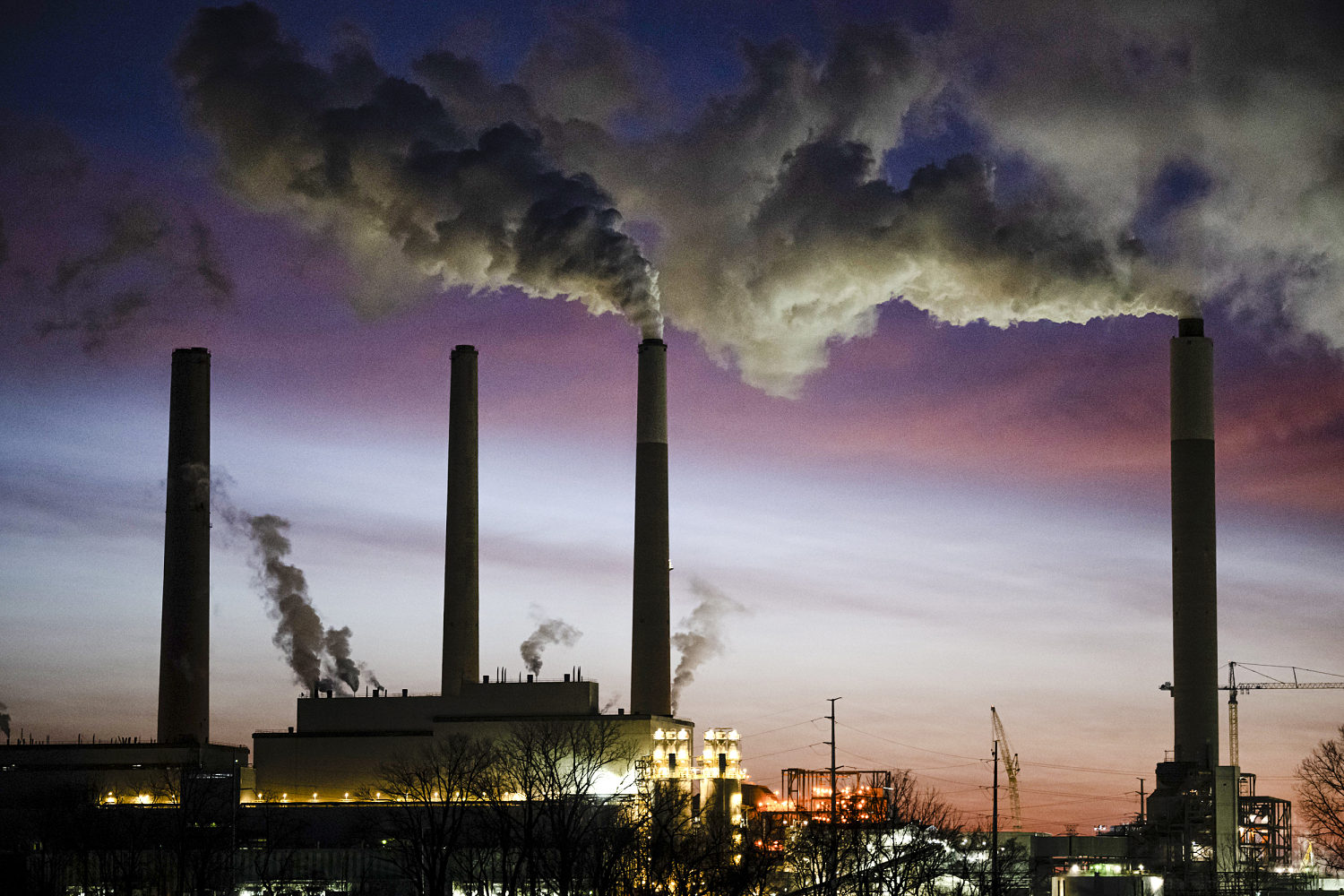
Environmental policy is shifting again. When the government decides to undo restrictions on greenhouse gas emissions from power plants, the ripple effects hit energy markets, state capitals, and local communities immediately. You're looking at a fundamental rewrite of how the American power grid operates.
Most coverage treats this as a purely political football. It's not. This decision reshapes capital expenditures for utility companies that planned their next decade around strict carbon caps. If you want to understand where energy prices and grid reliability are headed, you need to look past the political rhetoric and examine the messy reality of what happens when federal emissions guardrails come off. Meanwhile, you can read similar stories here: The Real Reason the Reform UK Donation Scandal is Shaking British Politics to Its Core.
The Regulatory Whiplash Facing Utility Companies
Power plant operators don't turn on a dime. Building a natural gas combined-cycle facility or transitioning a coal plant takes years of planning, permitting, and billions of dollars in long-term investments. When federal rules shift drastically from one administration to the next, corporate planning turns into a guessing game.
Utilities spent the last several years retiring aging coal units early. They did this to comply with strict carbon pollution standards and to satisfy corporate environmental commitments. Now, with emissions limits rolling back, executives face a strange dilemma. Do they resurrect mothballed coal assets? Do they stick with cleaner natural gas and renewables because market forces—chiefly cheap gas and falling solar costs—already favor them? To understand the bigger picture, we recommend the excellent article by The New York Times.
The truth is that economics often outpace policy. Even without federal caps forcing coal plant closures, cheap domestic natural gas drove many of those decisions. But removing the limits gives utilities legal breathing room. They can run older, dirtier units longer without facing the heavy penalties or retrofit mandates that previous rules required. That changes dispatch economics during peak summer and winter demand spikes.
Why State Capitals Become the New Battleground
Federal rollbacks don't mean a regulatory vacuum. When Washington steps back, the battle simply moves to state regulatory commissions and environmental agencies.
California, New York, and a coalition of other states operate under their own aggressive climate laws. They aren't going to drop their targets just because federal rules loosen. They will likely sue. They will enforce stricter state-level permitting requirements. This creates a fragmented regulatory patchwork across state lines.
If you run a multi-state utility operating in both Wyoming and Colorado, your compliance headache just multiplied. You have to navigate conflicting federal leniency and state-level hostility. Companies operating in states with weak environmental enforcement will likely take advantage of the looser federal standards to burn more coal, squeezing out short-term savings at the expense of long-term air quality.
The Grid Reliability Argument Versus Carbon Realities
Proponents of rolling back emissions limits argue it's a necessary step to protect grid reliability. They point to surging electricity demand from data centers, electric vehicle adoption, and industrial electrification. When reserves get tight, grid operators need every megawatt they can get. Coal and older gas plants provide dispatchable baseload power that doesn't depend on whether the wind is blowing or the sun is shining.
Critics counter that keeping old, inefficient fossil-fuel plants running longer locks in carbon pollution that the atmosphere simply cannot absorb without accelerating climate impacts. They argue that true reliability comes from modernizing transmission lines, expanding battery storage, and building flexible generation rather than propping up twentieth-century technology.
Both sides have a point, which is why this debate feels so intractable. We face a genuine strain on grid capacity. At the same time, emissions keep climbing, and extreme weather events continue to stress infrastructure that was engineered for a different climate reality.
What This Means for Energy Consumers and Markets
Energy bills won't drop overnight because a federal rule gets repealed. Fuel costs, transmission upgrades, and local utility rate cases drive what you pay every month. However, easing emissions caps might prevent the sharp price spikes that utilities warned would happen if they were forced to rush expensive carbon-capture retrofits or premature plant shutdowns.
At the same time, corporate buyers of renewable energy—tech giants building massive data centers, for instance—have their own strict carbon accounting rules. They want clean power contracts, not dirty coal. If the grid becomes more carbon-intensive because regulations loosen, those companies will have to work even harder through bilateral power purchase agreements to offset their footprint.
Market signals are sending mixed messages. Fossil fuel investments might see a temporary bump as regulatory risk recedes. Yet, long-term institutional investors continue to price carbon risk into their portfolios. They know political pendulum swings are temporary, but atmospheric realities are permanent.
Watch how state attorneys general respond in the coming weeks. Pay attention to your local utility's integrated resource plan. The real story isn't happening in Washington press releases. It's playing out in regional transmission organizations and state utility boardrooms where the actual steel gets built or retired.