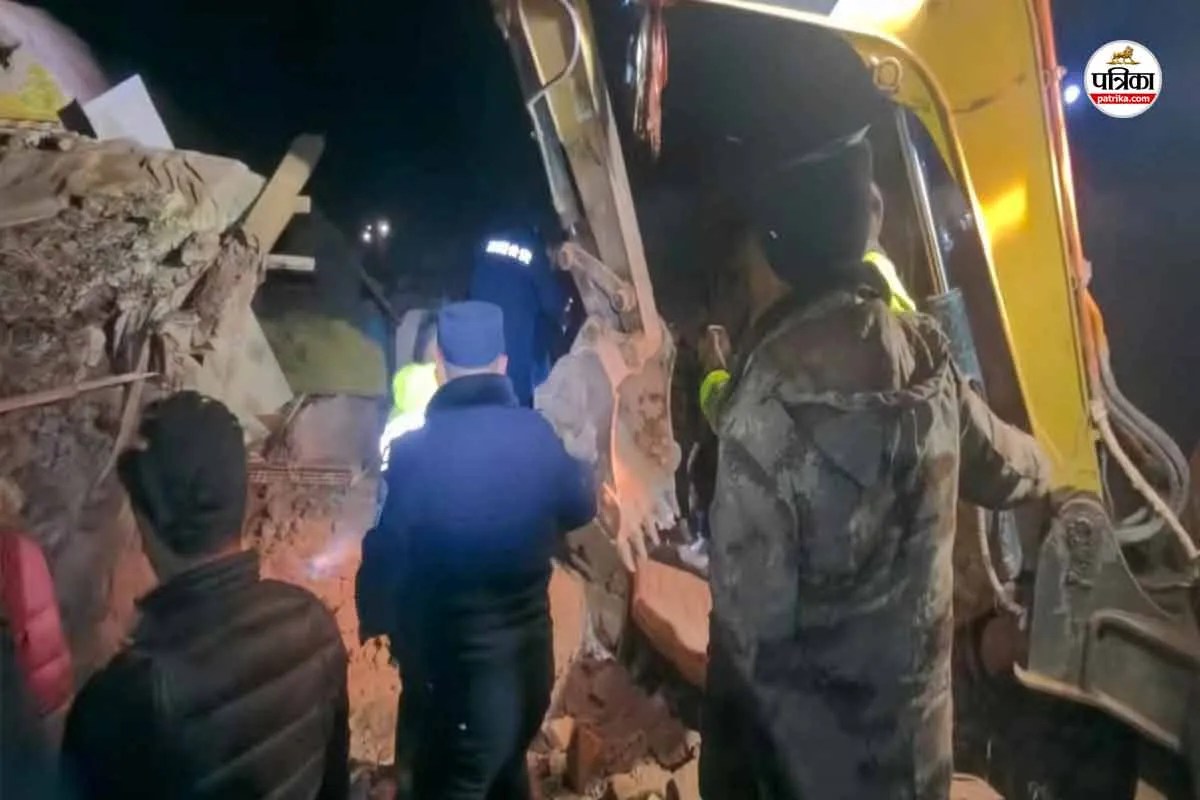
Silence.
That is the strange, terrifying sound that arrives first on the high plateau when ancient tectonic plates finally lose their patience and snap. Before the roar of grinding rock, before the dust clouds rise from mud-brick walls and stone courtyards, there is a second—barely long enough to draw a breath—when the floor beneath your boots stops feeling like earth and starts behaving like a swell on a dark sea.
For anyone reading a short wire report about a magnitude 7.0 earthquake in Tibet, with sixteen lives lost and leaders of the Central Tibetan Administration warning of far deeper devastation, the numbers can wash past like cold rain on a windowpane. Sixteen deaths. Magnitude 7.0. A warning of broader destruction. Those words carry weight, yet headlines move at breakneck speed, compressing months of grief and years of fragile recovery into a single passing glance.
To understand what a tremor of that scale truly means high on the Tibetan Plateau, we have to look past the ticker tape and sit with what happens in the quiet hours after the shaking stops. A magnitude 7.0 quake is not a gentle nudge. It releases energy on a scale that reshapes valleys, fractures roads carved along sheer cliffs, and turns sturdy-looking village homes into rubble in less than half a minute. High altitude makes every consequence sharper. Nights drop well below freezing even when skies are clear. Oxygen is thin. Ambulances and heavy machinery cannot simply roll down six-lane highways into remote townships scattered across vast basins and mountain passes.
Consider a hypothetical family—let us call them Tenzin, his elder sister Dolma, and their grandmother Ani-la—living in a high-altitude settlement where barley fields meet frozen streams. (This family and their village are hypothetical, created to illustrate how high-plateau communities experience a major earthquake.)
In our hypothetical story, Ani-la has spent seventy winters reading the sky and the wind. She knows how to stack dried yak dung for warmth, how to patch an earthen roof before autumn snows bite, and how to stretch grain through lean months. When the ground begins to roll at 7.0 intensity, no amount of winter wisdom can hold a heavy timber-and-stone beam steady against violent lateral motion. Walls crack. Dust blinds. Outside, dogs bark in frantic confusion as neighbors stagger into freezing courtyards clutching blankets and whatever they could grab in the dark.
Sixteen people dead in the early tallies means sixteen households where a chair at the hearth will stay empty tonight. It means children asking where a parent went, elders nursing bruised ribs in thin air, and neighbors digging with bare hands and shovels before any outside help knows which mountain pass is blocked by a rockslide.
That is the invisible stake behind any warning from the Central Tibetan Administration or any local emergency official when a large quake hits high Asia. Early death tolls in remote mountain regions are almost always incomplete. Communications fail. Cell towers lose power or sway offline. A single landslide across a narrow gorge can cut off a cluster of hamlets for days, turning a survivable injury into a tragedy while rescue teams fight their way through cold mud and fallen boulders.
I have stood in disaster zones after major tremors—not in Tibet itself, so I will not claim a passport I do not hold, yet I know the unmistakable smell of crushed lime, wet earth, and diesel generators humming in the dark. I remember the metallic taste of dust in my mouth after hours of walking past collapsed walls. Most of all, I remember how eerie the quiet feels once the aftershocks space out. People whisper. Nobody wants to go back inside a building with a hairline crack across the lintel, even when the wind cuts right through their coats.
A metaphor helps here, provided we keep it honest. (What follows is a metaphor comparing tectonic stress to a tightly wound watch spring.) Think of two massive tectonic plates—the Indian plate pushing northward into the Eurasian landmass—like two giant mainsprings pressed together over centuries. Friction holds them locked while strain builds quietly deep underground. When the lock gives way, all that stored energy discharges at once. The surface wave is the visible drama, yet the deeper shift happens in people's lives: routines shattered in seconds, savings wiped out in a single afternoon, and trust in solid ground shaken to its core.
Still, I want to be candid about what we do not know in the immediate aftermath of a quake like this. Early numbers are messy. Reports from high-altitude areas arrive in fragments—a casualty count here, a damaged clinic there, an unconfirmed rumor from across a ridge. Admitting uncertainty is not weakness; it is basic honesty. Anyone claiming complete clarity within hours of a magnitude 7.0 event in rugged terrain is guessing or repeating unverified chatter.
Why High Altitude Turns Every Crack Into a Crisis
Down at sea level, a cracked wall is a nuisance or a repair bill. Up on the plateau, a cracked wall is an invitation to hypothermia.
Night temperatures in Tibetan settlements routinely plunge far below freezing, turning a lost roof or shattered window panes into an immediate threat to life. Even people who walk away from the shaking without a single scratch can face peril once dusk settles over the mountains. A family sleeping under canvas or beside half-standing masonry feels every gust of wind coming off the snow peaks.
Water adds another layer of danger. Earthquakes rupture pipes, shift springs, and churn silt into mountain streams. Boiling water takes fuel—wood, dung, or gas—and fuel is scarce or trapped beneath collapsed storage sheds when roads are out. Without clean water and warmth, exhaustion sets in fast. Older adults and young children pay the steepest price first.
Then comes the geography of rescue. A magnitude 7.0 earthquake does not just shake one town; it rattles an entire geological neighborhood. Roads hug steep slopes and river valleys. A single wall of rock sliding across a switchback can strand convoys of food, tents, and medical supplies miles away from people who need them by the hour. Helicopters help where weather and altitude allow, yet thin air limits payload weight, and sudden mountain clouds can ground even skilled pilots.
When leaders of the Central Tibetan Administration warn of potentially severe devastation, that warning reflects a grim arithmetic: high seismic hazard, harsh climate, scattered settlements, and slow access. Even if initial figures start at sixteen deaths, officials and aid workers brace for numbers to climb as word filters in from harder-to-reach valleys, and for secondary hardships—shelter shortages, trauma, winter illness—to stretch far beyond the first week.
The Quiet Aftershocks Inside Every Household
Earthquakes do not end when the seismograph needle calms down.
For weeks after a strong tremor, the earth keeps clearing its throat. Aftershocks—some minor, some sharp enough to send people bolting out of doors in their socks—keep nerves frayed. Sleep becomes shallow. Every creak of metal or rattle of a window makes hearts jump.
In our hypothetical household with Tenzin, Dolma, and Ani-la, recovery is not a single event; it is a slow, grinding negotiation with reality. (Again, this is a hypothetical family illustrating common post-quake challenges.) Tenzin might spend days clearing debris and rigging a temporary shelter out of tarps and timber, his hands raw from stone and cold air. Dolma might walk to a makeshift clinic to check on a neighbor's sprained ankle or high blood pressure triggered by shock. Ani-la might sit wrapped in heavy wool, watching the horizon with quiet endurance, carrying memories of older quakes and older winters that taught her never to waste a scrap of hope or a single log of firewood.
We often talk about resilience as if it were a heroic trait reserved for dramatic moments. In reality, resilience after a disaster looks much plainer. It looks like sharing a pot of warm soup with someone whose stove broke. It looks like listening patiently when an elder repeats the same story of what happened when the floor moved. It looks like showing up the next morning even when you slept three hours and your back aches.
History shows us a consistent pattern across earthquake-prone mountain regions from the Himalayas to the Andes. The first wave of global attention focuses on dramatic collapse and early casualty figures. A few days later, attention drifts toward the next big story elsewhere on the globe. Yet for the people living among the ruins, the hardest stretch often begins right around the time the cameras pack up—when temporary tents wear thin, prices of basic goods rise, school routines stay broken, and grief settles in without headlines to mark it.
What Empathy Demands From All of Us
Reading about a disaster from thousands of miles away can leave a strange ache—a mixture of sorrow and helplessness. You cannot drive a truck up a mountain pass from your living room. You cannot lift a fallen beam across an ocean.
So what can we actually do without pretending to be saviors?
First, we can refuse to turn human loss into background noise. Sixteen lives lost in a magnitude 7.0 quake is not a small number; every single one of those sixteen people had a voice, a name, habits, and people who loved them. Slowing down long enough to picture the human weight behind a headline is a small act of respect, and respect matters.
Second, we can stay clear-eyed about information. In the wake of major earthquakes, sensational claims and outdated photos spread almost as fast as seismic waves. Looking for verified reporting, checking dates and locations carefully, and resisting the urge to amplify panic help keep the record honest.
Third, if you choose to support relief efforts, look closely at organizations with genuine access, transparent operations, and local partnerships capable of working in high-altitude or hard-to-reach conditions. Good intentions need good logistics to reach people shivering in the dark.
Earth reminds us regularly that our plans are written in pencil on shifting ground. Mountains that look eternal can shudder in thirty seconds. Borders and distances fade quickly when cold air and fallen stone meet human vulnerability.
Picture a lantern glowing softly beside a makeshift shelter on a freezing plateau after dark, a small circle of warmth held steady against a vast, quiet sky—proof that even when the ground gives way beneath our feet, care still finds a way to stand.


