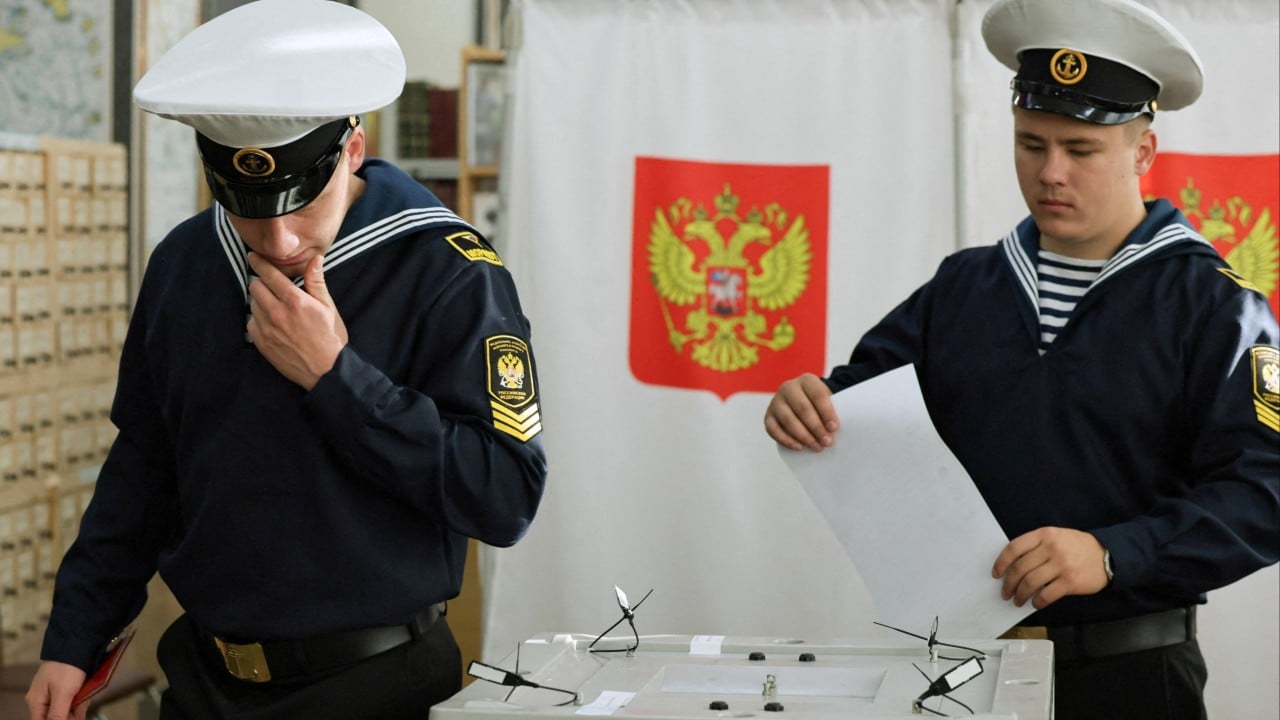
Elections in authoritarian states rarely surprise anyone. When Russians head to the polls for parliamentary votes, the suspense isn't about who will win. The ruling United Russia party always secures its majority through a blend of administrative control, media dominance, and a heavily neutered political opposition. Yet, treating these votes as completely meaningless political theater misses the point entirely.
The parliamentary contests function less like a democratic choice and more like a high-stakes diagnostic test for the regime.
What the Kremlin Actually Measures
Vladimir Putin's government doesn't organize nationwide ballots just to convince foreign observers of its democratic credentials. The primary audience for these numbers isn't Washington or Brussels. It's the domestic political machine itself.
Regional governors, local bureaucrats, and state enterprise directors are the ones truly being tested during election cycles. The Kremlin evaluates these local elites based on their ability to deliver specific turnout figures and vote shares. If a region underperforms or shows unexpected friction, Moscow notices.
Think of the ballot boxes as a stress test for institutional loyalty. Bureaucrats mobilize state workers, manage electronic voting platforms, and pressure public sector employees not because they love grassroots democracy, but because their jobs and political survival depend on meeting Kremlin quotas. When the numbers roll in, they tell Moscow which regional bosses have a tight grip on their territories and which ones are slipping.
Voting Under Wartime Realities
Conducting a parliamentary election against the backdrop of an ongoing military conflict changes the entire atmosphere. Dissent is treated as subversion, and any public questioning of state policy carries severe legal risks. Independent monitoring groups face constant harassment, and anti-war political figures find themselves imprisoned, exiled, or legally barred from running long before ballots are ever printed.
This environment creates a profound political vacuum. Ordinary citizens aren't weighing competing economic platforms or foreign policy visions in a public square. Instead, they navigate a landscape where political participation is largely stripped of its traditional meaning. For many, casting a ballot is an exercise in compliance or a quiet way to avoid drawing unwanted attention from local authorities.
At the same time, the inclusion of voting in occupied territories introduces another layer of political signaling. These exercises are designed to project permanence and integration, anchoring disputed regions into the administrative architecture of the Russian state regardless of international condemnation.
The Function of Automated Voting Systems
Modern Russian elections rely heavily on multi-day voting windows and electronic remote voting systems. While critics and independent watchdogs point out that these digital tools drastically reduce transparency and make independent audits virtually impossible, they serve a distinct administrative purpose for the state.
Remote voting allows centralized management of participation rates. It minimizes the unpredictability of physical polling stations where independent observers might occasionally spot irregularities. The system transforms the electoral process into a streamlined administrative procedure, executed by a loyal apparatus that values predictability above all else.
Reading Between the Official Percentages
When state media broadcasts landslide victories and high approval ratings, experienced observers know to look past the headline figures. The real story lies in the subtle shifts—fluctuations in voter turnout in industrial centers, quiet expressions of apathy, and the frantic efforts of local officials to massage numbers behind closed doors.
Elections in this context do not offer a mechanism for changing power. Instead, they reveal the inner mechanics of how authoritarian power is maintained, measured, and enforced day by day.