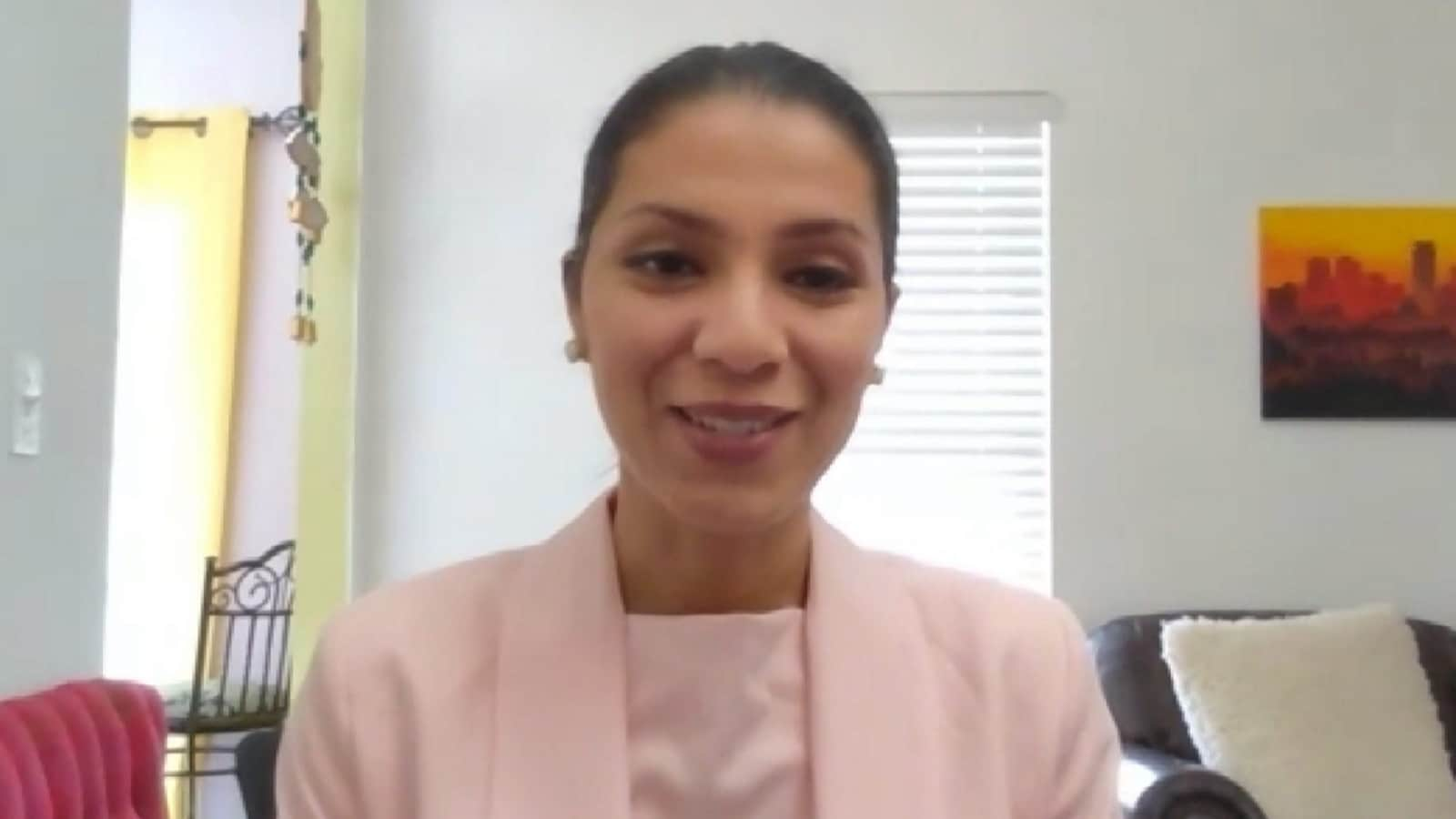
Saba Haider did not win a seat in the Illinois General Assembly by running on biography alone. While international headlines framed her victory in Illinois House District 84 as a linear fairy tale stretching from Uttar Pradesh, India, to the corridors of Springfield, the actual mechanics of her win tell a far more pragmatic story. Haider secured the seat by treating suburban political realignment as a math problem, anchoring her campaign in property tax fatigue, healthcare affordability, and hyper-local school funding rather than ideological abstraction.
Political commentators love an origin story. It makes for clean copy when a candidate born in Ghazipur, who grew up in Meerut and studied wildlife biology at Aligarh Muslim University, crosses oceans to become a state lawmaker in the American Midwest. Yet seasoned campaign operatives know that biographical novelty gets you a profile in the local paper, not 51 percent of the vote in a purple-to-blue suburban district. Voters in Naperville and Aurora do not cast ballots to validate a candidate's passport stamps. They vote based on the escrow statement sitting on their dining room table. In similar developments, take a look at: Why California’s Catholic Governor Streak Is Actually a Mirage of Secular Politics.
The Myth of the Monolithic Suburban Voter
For decades, political strategists treated the Chicago collar counties as predictable territory. DuPage and Will counties were once reliable Republican strongholds where fiscal conservatism meant low taxes and minimal state intervention. That era is dead. The demographic shift across the western suburbs over the last twenty years—driven largely by an influx of South Asian and East Asian professionals in tech, healthcare, and finance—has fractured old party loyalties.
Still, assuming that demographic change automatically translates into Democratic votes is a rookie mistake. Many first-generation immigrants from India arrive in the United States with deeply conservative instincts regarding taxation, small business regulation, and educational meritocracy. They are not guaranteed progressive votes. Haider understood this friction intimately because she lived it, working as a yoga instructor, a nutrition educator, and a parent navigating the local public school system before ever stepping onto a county board dais. NPR has also covered this fascinating subject in extensive detail.
When campaigns lean too heavily on identity politics in districts like the 84th, they often alienate the very voters they assume are locked in. Haider sidestepped that trap. Instead of asking South Asian voters to support her simply because of shared heritage, she used her cultural fluency to open doors and then immediately pivoted to pocketbook anxiety. In living rooms across Aurora and Naperville, the conversation rarely lingered on national partisan warfare. It centered on why property tax bills kept climbing while state pension liabilities ate up municipal budgets.
Inside the Kitchen-Table Strategy
"Kitchen-table issues" is one of the most abused phrases in modern journalism. Consultants slap it onto press releases whenever a candidate lacks a coherent policy platform. In Haider's case, however, the phrase functioned as a strict operational filter. Every piece of campaign literature, every door-knocking script, and every town hall answer had to pass a simple test: does this directly affect a household's monthly balance sheet?
Consider the specific pressures facing families in Illinois House District 84:
- Property Tax Compression: Illinois consistently ranks near the top nationally for effective property tax rates. For suburban homeowners, rising assessments feel like a slow-motion eviction notice, especially for retirees on fixed incomes and young families stretched thin by high mortgage rates.
- Healthcare Out-of-Pocket Costs: Even among insured, white-collar suburbanites, high-deductible health plans and prescription drug prices have turned routine medical care into a budgeting crisis.
- Public Education Funding: Parents move to Naperville and Aurora specifically for the school districts. Any perceived threat to state funding formulas or special education resources triggers immediate political mobilization.
Haider did not invent these grievances. She simply refused to let her opponents own them. Historically, Republicans in Illinois have hammered Democrats on taxes and spending, painting every Democratic challenger as a rubber stamp for Chicago political machines. Haider neutralized that attack by establishing local credibility first. Prior to her statehouse run, she served on the DuPage County Board, representing District 5. That tenure gave her an unglamorous, line-item familiarity with county budgets, stormwater management, and local infrastructure. You cannot easily caricature a candidate as a radical outsider when she has spent years voting on municipal zoning and county procurement contracts.
The Ground Game Over Airwaves
Television ads in the Chicago media market are absurdly expensive, and most of the spend is wasted on viewers living miles outside a specific state house district. Winning a down-ballot race in suburban Illinois requires relentless, unsexy retail politics.
Haider's campaign operated on a simple premise: face-to-face persuasion beats digital impressions. Field organizers mapped precincts not just by past partisan performance, but by household composition and voter drop-off rates. Multi-generational households—common among South Asian families in the district—became prime targets. In a single doorstep conversation, a well-prepared candidate can persuade three or four registered voters simultaneously, provided the candidate speaks to the distinct concerns of both the retired grandparents worried about Medicare and the working parents worried about childcare costs.
The Structural Vulnerability of Diaspora Candidates
It would be dishonest to suggest that Haider's path was frictionless, or that her model is easily replicable across the country. Diaspora candidates face a unique double bind that mainstream political reporting routinely glosses over.
On one hand, community expectations can be suffocating. Voters from the same cultural background often expect absolute alignment on international issues or community-specific demands that fall far outside the jurisdiction of a state representative in Springfield. A lawmaker in the Illinois General Assembly has zero control over federal immigration backlogs or foreign policy, yet voters frequently air those frustrations at local campaign events. Navigating those conversations without sounding dismissive—or making promises a state legislator cannot keep—requires immense diplomatic discipline.
On the other hand, mainstream voters sometimes view candidates with strong ties to immigrant communities through a lens of quiet skepticism. Opponents rarely make overt attacks anymore; instead, they use coded language questioning whether a candidate truly understands "local values" or will prioritize niche interests over the broader district. Haider countered this by embedding herself in non-partisan civic spaces long before running for higher office. Her background in public health, PTA boards, and community wellness initiatives built a coalition that extended well beyond any single ethnic enclave.
Why Springfield Presents a Harder Test Than the Campaign Trail
Winning the election was the easy part. Governing in Illinois is a brutal exercise in fiscal triage.
Haider enters the Illinois House of Representatives at a moment when federal pandemic relief funds have dried up, leaving state lawmakers to confront structural deficits without the cushion of temporary federal cash. The Democratic supermajority in Springfield is not a unified ideological bloc; it is an uneasy alliance between progressive urban lawmakers from Chicago, labor unions, and moderate suburban representatives who face real electoral consequences if taxes go up.
For a freshman lawmaker representing a suburban district, the legislative math is unforgiving:
- The Pension Trap: Billions of dollars in state revenue are legally obligated to public pension systems before a single dime goes to schools, roads, or healthcare subsidies.
- Local Revenue Sharing: Suburban mayors constantly push Springfield to restore higher percentages of the Local Government Distributive Fund to ease pressure on local property taxes.
- The Mandate Dilemma: Passing well-intentioned social or environmental legislation in Springfield often creates unfunded mandates that local school districts and municipalities must pay for by raising the very property taxes Haider promised to rein in.
Every vote Haider casts on the House floor will be scrutinized by opposition researchers looking for ammunition for the next election cycle. If she aligns too closely with progressive Chicago lawmakers on spending bills, she hands suburban Republicans a ready-made attack ad. If she breaks ranks too often to protect suburban fiscal interests, she risks alienating party leadership in Springfield—the very people who control committee assignments and determine whether a freshman legislator's bills ever get called for a vote.
The Real Lesson for Modern Political Operatives
Media narratives love to reduce complex elections to simple symbolic milestones. Celebrating the first woman of a particular background or the journey from a town in Uttar Pradesh to the Illinois statehouse makes for inspiring television segments. Yet treating Saba Haider's victory merely as a triumph of representation misses the actual blueprint she laid down.
Representation gets people to look at the ballot. Economics gets them to fill in the oval.
Suburban voters across the Midwest are deeply cynical about political theater. They do not care about viral floor speeches or partisan cable news talking points. They care about whether their property tax bill will jump another eight percent next spring, whether their aging parents can afford insulin, and whether their local high school will keep its advanced placement programs intact. Haider won because she treated those mundane, relentless pressures as the core of her political identity, proving that in the American suburbs, the sharpest ideological weapon is still a clear-eyed focus on the household budget.