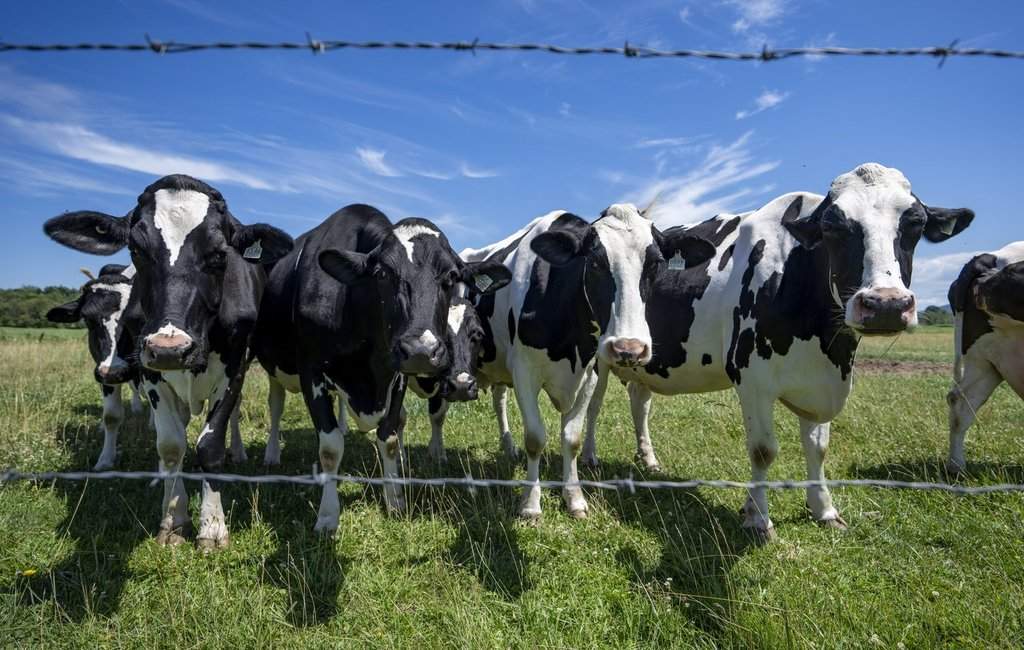
The sacred cow is an expensive pet. For decades, Canadian agricultural policy has treated dairy farmers like protected heritage monuments, hiding behind supply management quotas, high tariffs, and defensive trade postures. Whenever Washington opens trade negotiations, the knee-jerk chorus rises from the barns. Protect the cartel. Yield not an inch. Avoid all concessions.
It sounds patriotic. It is economic suicide. You might also find this connected coverage useful: Inside the July Jobs Collapse That Wall Street Refuses to See.
The lazy consensus holds that defending every drop of domestic milk production preserves rural livelihoods and food sovereignty. That argument collapses the moment you examine the collateral damage. By treating the supply management system as untouchable, Canada handcuffs its entire export economy in bilateral and multilateral negotiations. We protect a handful of heavily subsidized operators in Ontario and Quebec while sacrificing tech startups, manufacturing sectors, and softwood lumber producers who desperately need frictionless access to American markets.
Let us look at the mechanics. Supply management is an internal price-fixing cartel enforced by government import controls. Farmers operate under production quotas, and consumers pay inflated prices for milk, cheese, and butter compared to global market rates. To maintain this artificial scarcity, any foreign dairy product entering Canada above a minimal threshold faces tariffs running up to 300 percent. As highlighted in latest coverage by Bloomberg, the results are worth noting.
When trade negotiators sit across from American counterparts, those tariffs function as a loaded pistol pointed directly at our own foot. The United States knows Canada values dairy protectionism above almost anything else. Consequently, Washington uses dairy as a hostage situation. They demand access to our dairy market, and when Ottawa balks, they retaliate with punitive duties on aluminum, steel, autos, and energy.
I have watched companies burn millions navigating trade disputes triggered entirely by this stubborn defense of a domestic sector that represents a fraction of one percent of gross domestic product. We trade our broader economic vitality for the political convenience of a few thousand quota holders.
The Fallacy of Food Sovereignty
Defenders of the status quo love to throw around the phrase food sovereignty. They argue that relying on foreign dairy leaves the nation vulnerable.
This argument ignores basic geography and market realities. Canada shares the longest undefended border in the world with an agricultural superpower. We already import vast quantities of fruits, vegetables, grains, and meats year-round. If a global crisis cuts off American dairy imports, a lack of local cheese production will be the least of our existential worries.
Furthermore, true sovereignty comes from economic strength, not protectionist weakness. A nation with a diversified, high-growth economy can afford to buy food from anywhere on earth. A nation tethered to an inefficient, protected agricultural model bleeds capital, stagnates productivity, and loses leverage in every major geopolitical negotiation.
The Real Cost of Quotas
Imagine a scenario where Canada scraps supply management overnight, opens the dairy sector to market competition, and transitions quota owners into high-yield, export-focused agricultural enterprises using direct, transparent income supports instead of market distortions.
The immediate outcry would be deafening. Lobbyists would flood Ottawa. Pickets would block highways. But within twenty-four months, the structural benefits would materialize.
- Consumer Relief: Grocery bills would drop instantly, putting millions of dollars back into the pockets of working families suffering through persistent inflation.
- Negotiating Capital: Trade talks with the United States would transform. Instead of playing defense and surrendering strategic victories in automotive and technology sectors to protect milk, Canadian negotiators could walk into the room with leverage.
- Productivity Surge: Capital currently locked up buying multimillion-dollar milk quotas would flow into productive investments, technological upgrades, and sustainable agricultural innovation.
Admitting the downsides to this approach requires honesty. Dismantling supply management would hurt legacy farmers who invested life savings into purchasing artificial quotas under the assumption that the government would protect their monopoly forever. That pain is real, and it demands a humane, well-funded structural adjustment program—buy out the quotas directly with public funds, transition those farmers into other agricultural ventures, and rip the Band-Aid off once and for all.
We cannot build a modern, competitive trading nation while carrying medieval baggage. Stop treating dairy quotas like a national security asset. Sacrifice the cows, clear the trade path, and let the real economy breathe.