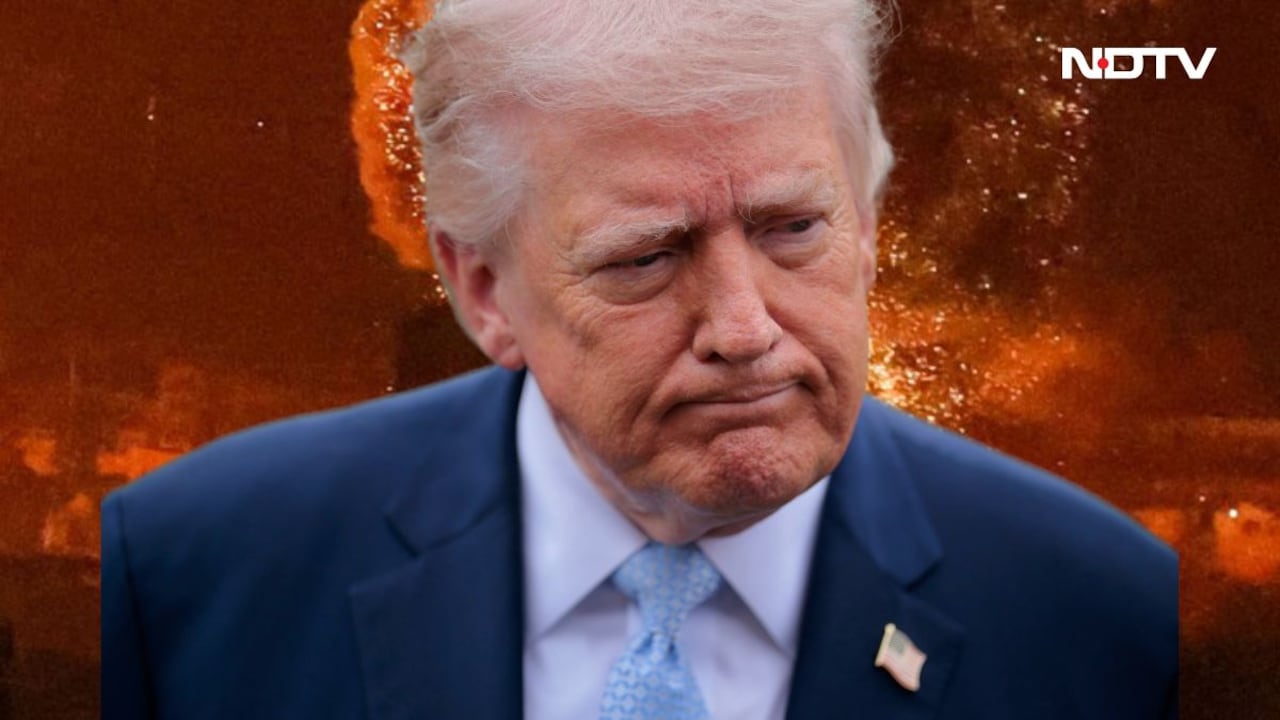
The mainstream punditry loves a clean narrative. Donald Trump threatens to squeeze Tehran’s economy into oblivion, and analysts immediately reach for their tired playbooks about secondary sanctions, oil embargoes, and financial isolation. They treat statecraft like an arcade game where pressing enough buttons yields a predictable payout.
It is lazy, mathematically illiterate thinking.
I have watched companies and governments blow billions chasing absolute economic blockades, assuming that starving a nation of liquidity automatically translates to political surrender. Real life does not work that way. The conventional wisdom misses the structural reality of shadow trade networks, and more importantly, it ignores the acute blowback hitting American consumers at the pump. If you want to understand how Washington’s economic pressure campaign against Iran actually functions, you have to stop listening to diplomats reading press releases and start looking at the ledger of unintended consequences.
The Myth of Complete Isolation
The core misconception floating around Washington is that the Treasury Department can simply flip a switch and sever Iran from global commerce entirely. Treasury Secretary Scott Bessent talks about unprecedented financial isolation, and financial media nods along as if a total blockade is just a matter of political will.
Here is what the analysts leave out: Iran has spent decades perfecting the art of the work-around. When you shut down formal banking channels, you do not destroy the trade; you merely drive it into the subterranean economy of exchange houses, cryptocurrency rails, and a sprawling maritime shadow fleet.
Imagine a scenario where Washington successfully cuts off every traditional financial conduit between Tehran and the remaining entities buying its crude. Does the oil stop flowing? No. It gets funneled through opaque intermediaries in the United Arab Emirates, traded in non-dollar currencies, and loaded onto uninsured tankers running dark through regional waters. The administrative cost for Washington to track every single ship and phantom brokerage firm far outstrips any economic damage inflicted on the regime.
The China Trade Trap
Let us address the elephant in the room that financial analysts love to gloss over: Beijing. China buys the vast majority of Iran's exported crude.
The lazy consensus claims that the White House can easily force China to comply by slapping secondary sanctions on major Chinese financial institutions. This sounds tough in a television interview, but it is an amateur move in practice. Hitting top-tier Chinese banks risks an immediate escalation that transcends Middle Eastern geopolitics, directly threatening global financial stability. Beijing has already instructed domestic firms to ignore Washington’s unilateral edicts.
When global superpowers collide over secondary sanctions, the result is not a clean victory for American policy. It is fragmentation. It accelerates de-dollarization, forcing alternative economic blocs to build infrastructure that permanently erodes the ultimate weapon in America's arsenal: the dominance of the greenback.
The Domestic Cost Nobody Wants to Calculate
Talk to voters in Ohio or Arizona, and they do not care about the fine points of naval blockades; they care about filling their tanks. Gasoline prices hovering well above historical averages are the direct tax that everyday Americans pay for these grand economic strategies.
When Washington curtails Iranian crude barrels without a reliable substitute, global energy supply tightens. The administration can urge citizens to accept slightly higher prices in the name of national security, but patience wears thin fast. Stacking more sanctions onto an already restricted energy market guarantees sustained inflation at home. You cannot wage an infinite economic war overseas without picking the pockets of domestic consumers.
The Real Leverage Game
The White House is currently playing a waiting game, watching inflation bite into Iranian coffers while keeping military escalation on ice. That part of the strategy makes tactical sense. Letting a mismanaged currency crash under its own weight is cheaper than dropping ordnance.
But pretending that another round of Treasury designations will solve the core geopolitical puzzle is pure delusion. The regime in Tehran has proven it can absorb staggering levels of societal misery without buckling at the top.
Stop looking for the magic financial bullet because it does not exist. The next time you hear an expert claim that a new suite of sanctions will bring an adversary to its knees, look at who is paying for it at the gas pump and ask yourself if the cure is worse than the disease.