Saskatoon officials thought they were just tweaking a administrative workflow. By scrapping the in-person point-in-time homeless count, the city administration imagined they were streamlining operations and saving precious municipal hours. Instead, they inadvertently pulled a curtain over the human reality of their streets. When a municipality stops looking its most vulnerable residents in the eye, the numbers do not just drop; they lie.
The decision to cancel the traditional, boots-on-the-ground enumeration in favor of administrative data matching sparked immediate fury among frontline advocates. For years, these counts served as the imperfect yet vital pulse check for street-level poverty. They were cold mornings spent beneath bridges, clipboards in hand, talking directly to people sleeping rough in alleyways and emergency shelters. Critics point out that replacing face-to-face outreach with passive database tracking trades human connection for bureaucratic convenience.
Critics argue that voices will go unheard after Saskatoon cancels in-person homeless count methodologies, trading concrete human stories for sanitized spreadsheets. When outreach workers stop walking the blocks, the unseen simply vanish from the municipal conscience. Funding allocations, shelter bed calculations, and emergency response strategies rely entirely on these baselines. Skew the count, and you skew the budget.
The Mechanics of the Count
To understand why this administrative shift matters, you have to look at how municipal policy is actually built. Cities do not throw money at problems because they feel charitable. They spend because numbers on a page demand a fiscal response.
Point-in-time counts act as the primary catalyst for federal and provincial housing dollars. When a city reports a sharp surge in unsheltered individuals, Ottawa and provincial capitals notice. When a city reports flat or declining numbers—often the artifact of a poor tracking methodology—ministers in distant legislatures feel entirely justified in holding back funds.
Administrative data collection relies on shelter logs, emergency room admissions, and police interactions. These systems capture crises, not humans. If an individual avoids shelters due to trauma, violence, or institutional distrust, they do not exist in a shelter log. If they avoid hospitals despite chronic health issues, the emergency room data misses them entirely.
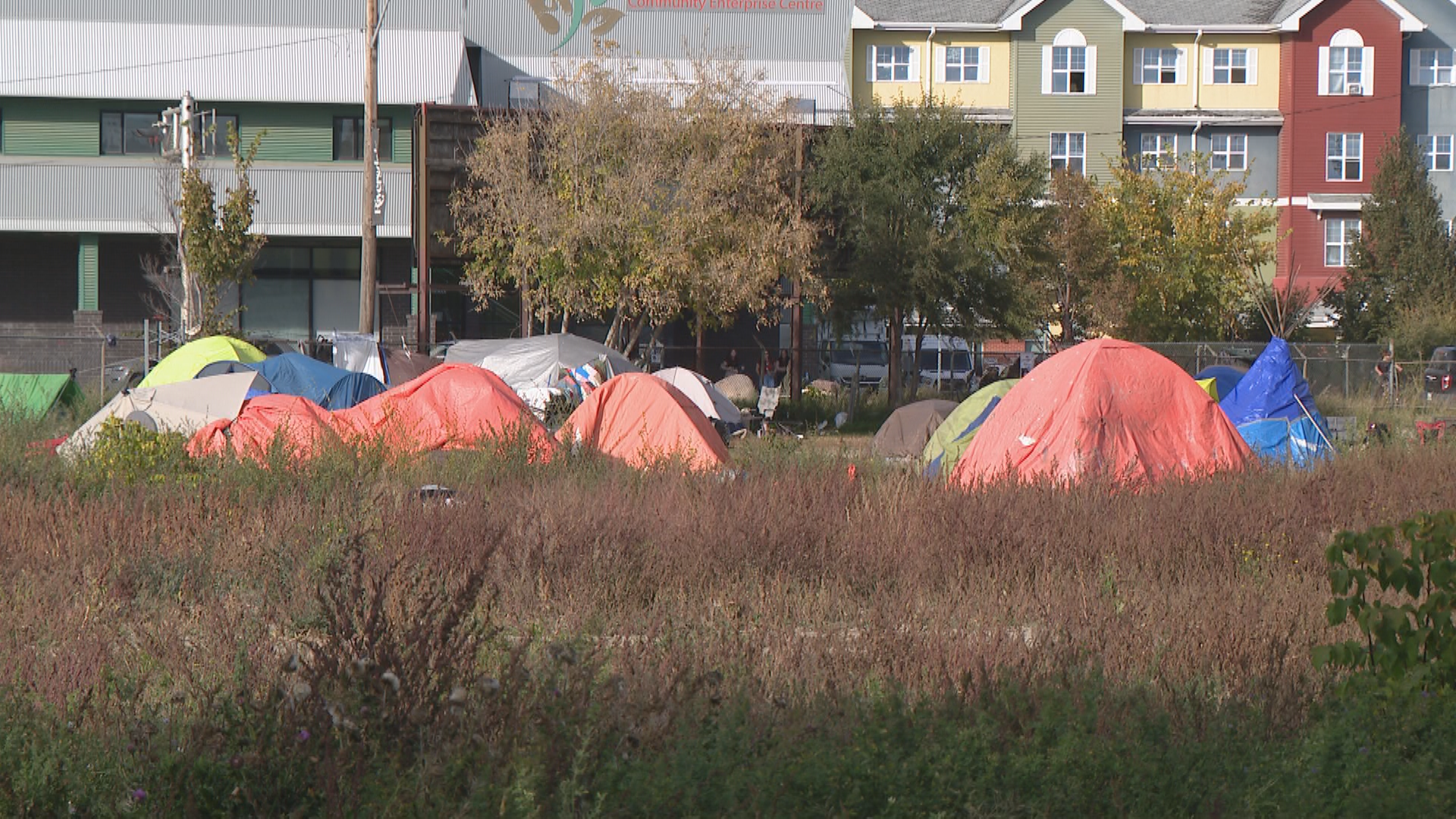
An in-person count forces the system to confront those who actively evade institutional radar. It requires outreach workers to seek out the encampments hidden in industrial parks or the stairwells of downtown office towers. Stripping away that physical outreach guarantees that the most marginalized populations remain invisible to the policymakers who hold their fates in their hands.
The Cost of Convenience
Municipal budgets are perpetually stretched thin. City councils face impossible choices between fixing crumbling asphalt, expanding transit lines, and funding social services. In that fiscal climate, an in-person homeless count looks expensive. It requires hundreds of volunteers, hours of training, coordination among dozens of non-profit agencies, and significant logistical overhead.
Yet treating a data collection effort as a line item to be trimmed is a false economy. Blindness is expensive. Ignoring the scale of street-level poverty does not make the costs disappear; it merely shifts them from proactive housing initiatives to emergency rooms, policing, and emergency winter response protocols.
When frontline advocates raised the alarm, their warnings were not rooted in mere nostalgia for clipboards. They understood that face-to-face surveys provide qualitative data that spreadsheets can never capture. A volunteer asking about shelter access can simultaneously note severe mental health distress, frostbite risk, or addiction crises that require immediate intervention. A database query executed by an analyst in a climate-controlled office building offers no such safety net.
The Bureaucratic Escape Hatch
Public officials often frame these methodological pivots as modernizations. They talk about efficiency, data integration, and reducing survey fatigue among vulnerable populations.
Survey fatigue is a real phenomenon. Constantly asking traumatized people about the worst moments of their lives without offering immediate housing can feel extractive and cruel. But abandoning the count entirely is not the answer to survey fatigue. It is an administrative escape hatch. It allows municipal leaders to report stable or manageable figures without facing the uncomfortable political fallout of rising street homelessness.
If you do not count them, they do not exist on the quarterly report. If they do not exist on the report, the media cannot question your housing strategy during budget debates.
This is the quiet tragedy of municipal data management. Metrics are frequently weaponized to protect institutional reputations rather than illuminate harsh realities. When advocacy groups warn that the vulnerable are losing their voice, they mean that municipal governance is retreating behind closed doors where numbers can be massaged, trends can be smoothed over, and difficult human realities can be neatly filed away under administrative overhead.
What Lies Beneath the Surface
The streets of Saskatoon do not care about municipal spreadsheet optimization. Winter temperatures regularly plunge to levels that turn poor data collection into a matter of life and death.
When funding follows flawed metrics, shelters stay under-resourced, permanent supportive housing projects stall in committee, and outreach teams find themselves outmatched by a growing crisis they are poorly equipped to map. The decision to scrap the in-person count sends a chilling message to both the unhoused population and the community workers who fight for them every day. It signals that convenience trumps truth, and that visibility is a luxury reserved for those with a permanent address.
As other municipalities watch Saskatoon's experiment unfold, the temptation to cut corners on social data collection will likely spread. Fiscal austerity rarely announces itself with dramatic cuts to frontline care; it usually creeps in quietly through the back door of methodology changes and administrative streamlining.
The numbers will come out. The reports will be published. But the stories of those who sleep in the shadows will remain untold, locked out of the rooms where decisions about their survival are made.