If you thought the fragile calm in Yemen meant the end of the Saudi Houthi conflict, recent developments prove you completely wrong. Tensions across the Arabian Peninsula have spiked dramatically, drawing Riyadh back into a high-stakes military posture. When Houthi drones and missiles start threatening critical infrastructure again, diplomacy takes a backseat to raw survival.
Let's look at what's actually happening on the ground, why the calculus changed, and what this renewed escalation means for regional stability. Also making waves recently: The Fragile Threshold Before Silence Falls Over the Border.
The Breaking Point Behind the New Escalation
For a while, quiet talks and backchannels gave people hope that Yemen's decade-long war was winding down. But peace in this region rarely follows a straight line. The friction intensified as Houthi forces consolidated control over strategic transport corridors and expanded tactical positions near the Saudi border.
When critical assets inside Saudi territory face repeated aerial threats, Riyadh has to draw a hard line. You can't just ignore security breaches when your economic hubs and oil infrastructure are in the crosshairs. This reality forced a sharp pivot from diplomatic patience back to active deterrence and defensive readiness. Further details regarding the matter are explored by The New York Times.
Air, Land, and Sea: How the Response is Shaping Up
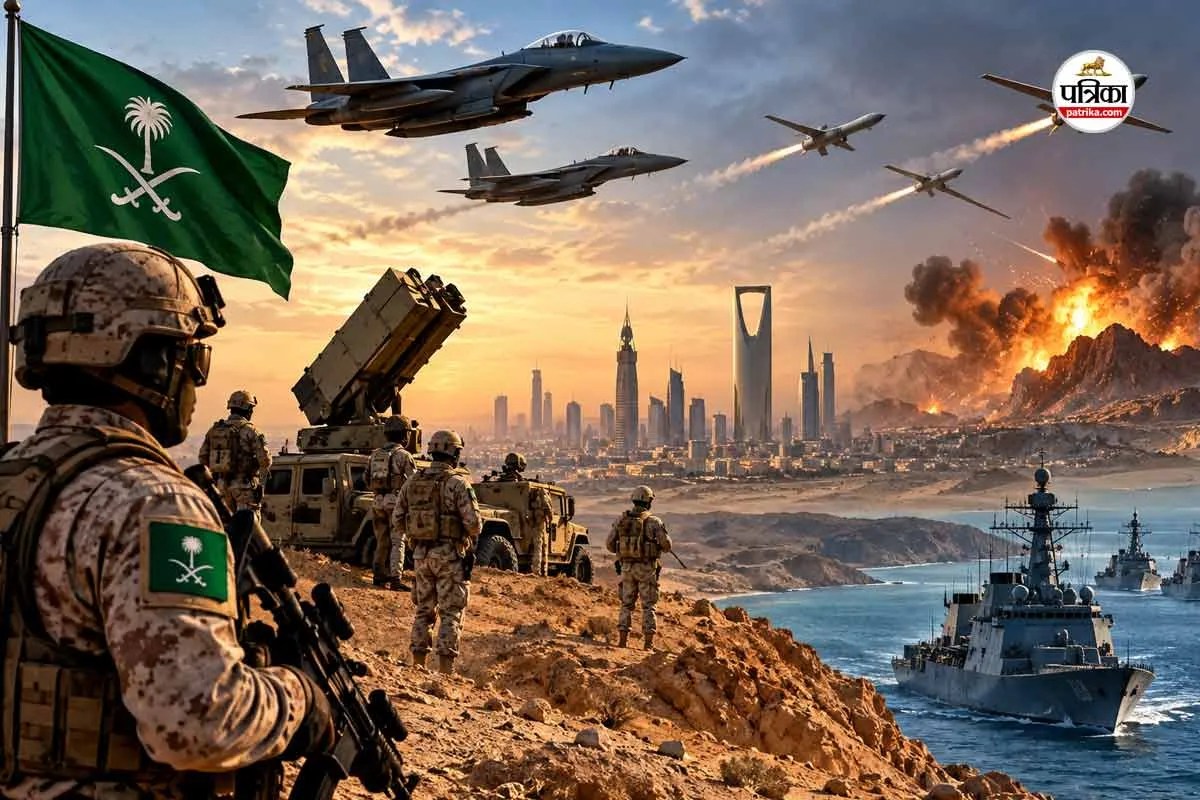
Riyadh and its allies aren't just sitting back waiting for the next projectile. The military strategy has shifted across multiple domains to check Houthi expansion:
- Aerial Dominance: Coalition jets have ramped up targeted sorties against key command hubs in Sanaa and surrounding strongholds to degrade launch capabilities before strikes can be executed.
- Ground Reinforcements: Backed by allied regional troops, anti-Houthi factions are fortifying positions to protect vital maritime choke points like the Bab el-Mandeb Strait, preventing total rebel monopoly over crucial shipping lanes.
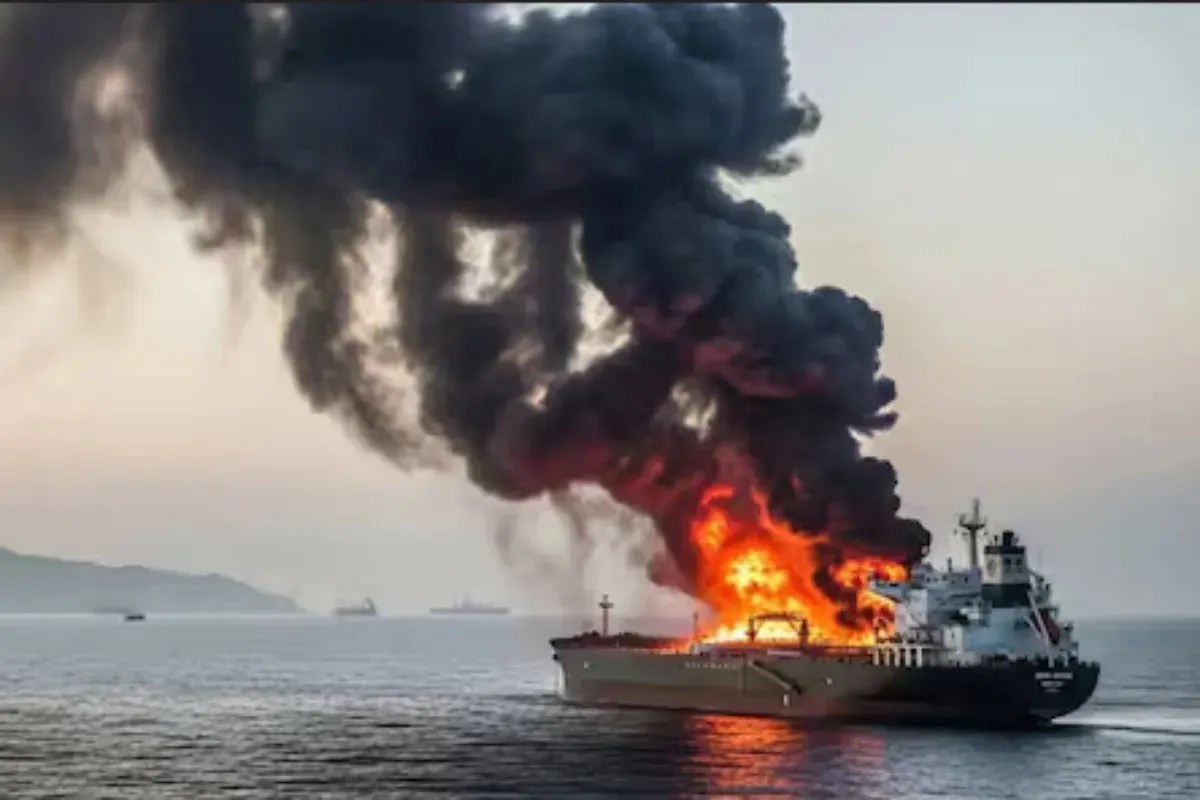
- Naval Posture: With commercial shipping and energy transit routes facing continuous harassment, maritime defense protocols have tightened significantly to safeguard Red Sea supply chains.
This multi-pronged approach tells you everything you need to know about how seriously Riyadh takes the current threat level. It's a clear signal that creeping territorial gains will be met with immediate pushback.
Why Most Media Coverage Misses the Point
Most headlines frame this solely as a bilateral spat between Riyadh and Sanaa, but that ignores the complex web of proxy dynamics and domestic Yemeni fractures. The Houthis aren't acting in a vacuum. Regional backing from Tehran ensures that every flare-up carries broader geopolitical weight, turning local territorial disputes into international pressure points.
Furthermore, internal divisions within anti-Houthi factions often complicate military efficiency. When local ground forces lack unified command structures, Saudi air support has to carry the heavy burden of keeping rebel advances at bay.
What Comes Next for Regional Security
The immediate future looks tense. As long as maritime blockades, border incursions, and drone threats persist, expect military operations to remain the default setting. A permanent political settlement feels distant because neither side is willing to cede strategic ground at this juncture.
Keep an eye on Red Sea shipping insurance rates and oil transit volumes—they remain the fastest indicators of whether this conflict is simmering down or boiling over into a wider regional crisis.
Saudi Arabia vs Houthis: फिर शुरू होगी सऊदी-हूती जंग?
This video provides a helpful visual breakdown of how the renewed military clashes between Saudi forces and Houthi rebels are reshaping security dynamics across the region.