Fifteen million dollars just bought a masterclass in ecological vanity.
When conservation groups and well-heeled donors pat themselves on the back for pooling $15.65 million to purchase and "save" a massive California sequoia grove, the champagne corks pop across suburban living rooms from San Francisco to New York. Everyone loves a feel-good headline about ancient trees dodging the chainsaw. It plays well on social media. It writes itself. Meanwhile, you can read other events here: Inside the Bangladesh Presidency Shift That Changes South Asian Politics Forever.
It is also deeply, dangerously wrong.
I have watched well-meaning philanthropy burn through capital while ignoring the exact physical mechanics of forest ecology. Writing a massive check to acquire timberland and put a protective bubble around it does nothing to stop the actual threat facing these titans. In fact, locking a grove away under strict hands-off preservation mandates is the fastest way to turn a thousand-year-old sanctuary into a tinderbox. To understand the bigger picture, we recommend the detailed analysis by Associated Press.
The Feel-Good Fallacy of Pure Preservation
The lazy consensus in modern environmentalism is simple: humans touch nature, nature breaks. Therefore, the less we touch a forest, the healthier it becomes.
This philosophy sounds virtuous until you look at a fire perimeter.
Sequoiadendron giganteum evolved alongside fire. They rely on it. Their thick, fibrous bark is asbestos armor. Their cones are sealed in resin, waiting for the searing heat of a low-severity surface fire to melt the bonds and drop millions of seeds onto freshly cleared, nutrient-dense ash. Fire is not an interruption to their life cycle; it is the starting gun.
For a century, our national policy of absolute fire suppression turned these groves into biological museums stuffed with dry kindling. When conservationists raise millions to acquire private timberland, they usually celebrate by locking the gates and walking away, trusting that legal protection equals ecological health.
Legal protection does not clear out fifty years of ladder fuels. A court injunction cannot thin out dense thickets of white fir and incense cedar that act like a fuse leading straight into the crown of a two-thousand-year-old monarch.
Imagine a scenario where you buy a historic mansion, board up all the doors, refuse to fix the rotting electrical wiring, and then celebrate because nobody is allowed to track mud on the carpets. That is what a pure land purchase without a brutal, aggressive restoration plan accomplishes.
The Math They Are Hiding From You
Let us look at the financial ledger of these headline-grabbing acquisitions. Fifteen million dollars buys a few hundred acres of land and the warm glow of moral superiority. But maintenance requires an endowment.
Ecological restoration—real restoration, involving manual thinning, prescribed burns, and continuous brush removal—is expensive, dirty, and politically terrifying. If a prescribed burn escapes and singes a single residential fence, the lawsuits fly. It is much easier for a non-profit to buy the title, issue a press release claiming victory, and leave the understory choked with deadwood.
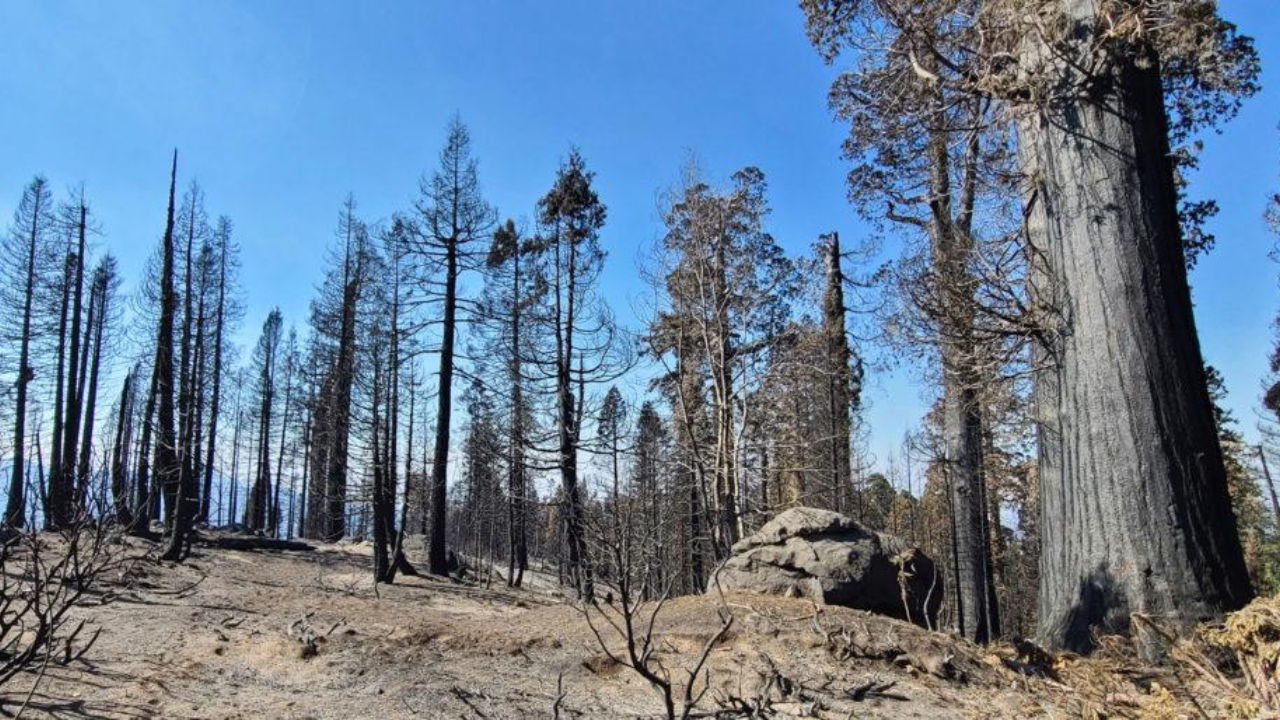
When a high-intensity wildfire inevitably roars through that unmanaged grove, driven by climate stress and decades of accumulated fuel, those fifteen million dollars of acquired real estate go up in smoke. We lost more than a fifth of all mature giant sequoias in a span of just a few wildfire seasons because we spent our time arguing over property lines instead of clearing the floor.
The market rewards the acquisition, not the maintenance. Donors want their name on a plaque attached to a deed. They do not want to fund a line item for seasonal brush clearing and smoke management permits.
What Accountability Actually Looks Like
If we want these trees to survive the century, we need to completely flip our operational playbook.
First, stop treating land acquisition as the finish line. Buying a grove is step zero. If you do not have an aggressive, funded, ten-year mechanical thinning and prescribed fire budget attached to that deed, you have just purchased a delayed cremation.
Second, embrace managed chaos. True conservation looks messy. It smells like smoke. It leaves behind scorched earth and blackened trunks. When foresters use controlled burns to clear out the understory, the woods look brutal for a season. City dwellers hate it. They call local news stations to complain about the soot. But that soot is the price of admission for a living forest.
Third, decentralize management. Local indigenous tribes practiced cultural burning for millennia, keeping fuel loads manageable and groves resilient. Modern bureaucratic red tape makes it nearly impossible to put fire on the ground when conditions are right, bogged down by air quality regulations and risk-averse agency lawyers.
We do not need more romantic gestures from billionaires cutting checkbook donations to lock forests behind legal glass cases. We need hard-nosed, hands-on mechanical intervention and a willingness to accept short-term ugliness for long-term survival.
Until the philanthropic class realizes that a tree's worst enemy isn't the lumberjack, but the neglected understory choking its roots, those multi-million-dollar victory laps will only serve as eulogies.