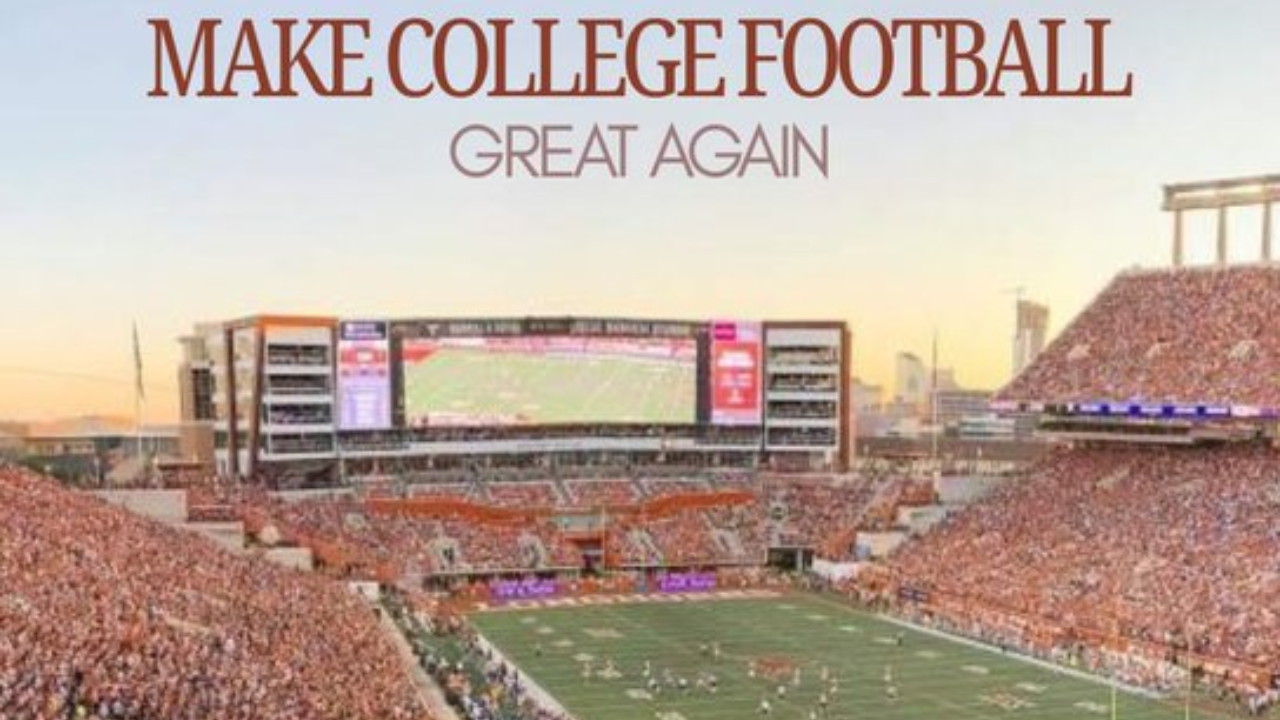
College football changed forever when the bracket expanded, but nobody expected the power concentration to get this absurd this fast. When you look at the Associated Press Top 25 poll projections, a staggering reality stares back at you. Three of the top four seeds belong to the Southeastern Conference. Let that sink in. Texas, Georgia, and Mississippi are sitting right at the absolute summit of college football, capturing three coveted first-round byes before a single postseason whistle blows.
If you thought expansion would dilute powerhouse dominance, you were dead wrong. It amplified it. If you liked this article, you might want to look at: this related article.
The Math Behind the Madness
The expanded twelve-team playoff was supposed to create parity. Fans and athletic directors dreamed of Cinderella runs, chaotic conference championship weekends, and a wide-open field where mid-major darlings and sleeper programs could gatecrash the national title picture. Instead, the AP poll reveals a brutal truth. The SEC isn't just surviving the new format; it's rigging the system through sheer depth and weekly survival.
When you secure a top-four seed under the current rules, you don't just get into the tournament. You skip the grueling first-round matchup entirely. You get a direct ticket to the quarterfinals, extra healing time for banged-up running backs, and a massive tactical advantage over teams forced to survive an extra elimination game. For another look on this event, check out the latest update from CBS Sports.
Seeing three SEC programs claim those golden tickets exposes how deeply the conference controls the sport's upper echelon. It's not an accident. It's the product of recruiting dominance, brutal week-in and week-out schedules that impress poll voters, and rosters built to withstand attrition.
Inside the Top Four Seeding Breakdown
Look closely at how the top of the ballot shakes out. Texas leads the charge, backed by elite quarterback play and a battle-tested resume that leaves voters zero room for doubt. Right alongside them sit traditional powerhouses like Georgia, alongside surging contenders like Mississippi.
Voters reward teams that navigate a gauntlet. When you beat ranked opponents on the road in front of one hundred thousand screaming fans, human voters in the AP poll take notice. The selection committee might use different analytical models later in the fall, but the AP poll remains the ultimate barometer of public and media consensus.
Meanwhile, traditional giants from other conferences are forced to host first-round games instead of resting comfortably on the couch during opening weekend. Programs like Indiana, Miami, and Ohio State find themselves playing host or fighting for at-large bids, proving that even historic brands must scratch and claw just to keep pace with SEC attrition.
Why the Rest of the Country is Sweating
The fallout from this top-heavy bracket extends far beyond the top four lines. Look at the bubble teams. Traditional contenders are sitting on the outside looking in, sweating out every fourth-quarter field goal across the country.
Take the Group of Six automatic qualifier rule. It provides a lifeline for non-power conferences, but it also creates fierce collateral damage. A powerhouse program with two losses can easily get squeezed out of the bracket entirely because an automatic bid takes up a vital slot, while conference champions from major leagues cannibalize each other week after week.
When Kentucky or LSU drops a pair of conference games in November, their playoff dreams evaporate in real-time. The margin for error in the SEC is razor-thin, yet winning inside that conference carries more currency with voters than an undefeated season against a soft non-conference slate. That is the fundamental disconnect driving modern college football debate.
Media Perception Versus Committee Reality
You have to separate what the AP poll says from what the College Football Playoff selection committee actually values. Media voters in the AP Top 25 react immediately to marquee wins, dramatic road comebacks, and brand prestige. The selection committee claims to lean harder on strength of schedule, metric efficiency, and head-to-head results.
Yet, year after year, the two lists mirror each other more often than not. Why? Because the metrics love the SEC just as much as the sportswriters do. Advanced analytics measure line-of-scrimmage dominance, yards per play against elite defenses, and third-down conversion rates. When you stack the SEC rosters with five-star recruits from top to bottom, the metrics naturally favor them.
You can complain about media bias all you want. You can argue that regional favoritism keeps deserving teams from smaller conferences buried in the teens. But when you examine the tape, the depth of talent on these rosters tells the real story.
What Fans and Analysts Get Wrong About Expansion
Most fans assumed a twelve-team playoff meant a kinder, gentler sport. They thought dominant conferences would rest their starters or stumble through November knowing a single loss wouldn't ruin their season.
That theory fell apart instantly.
High-stakes football got multiplied, not eliminated. Instead of fighting for a single spot in a four-team tournament, teams are now fighting for seeding protection. Dropping from a first-round bye to a home game—or worse, an unseeded road game—is a massive punishment. The difference between the four seed and the nine seed is the difference between a week off and a physical war against a desperate opponent on a freezing December night.
Coaches know this. Players feel it. That is why November football in the SEC looks less like a coronation and more like a survivalist training camp.
Navigating the Final Stretch
If you want to understand how this season finishes, stop looking at the bottom of the rankings and start watching the trenches. The teams that control the line of scrimmage in SEC play are the ones dictating the entire national narrative.
Don't fall for the trap of overvaluing early-season hype or unranked upsets that don't shift the fundamental power balance. Pay attention to how teams handle November fatigue. The playoff bracket isn't a charity case. It's a mirror reflecting the toughest neighborhoods in American sports.
The SEC isn't going away, and until the rest of college football finds a way to match their week-to-week physicality, get used to seeing three red and blue helmets lounging comfortably at the top of the bracket while everyone else beats each other to a pulp.