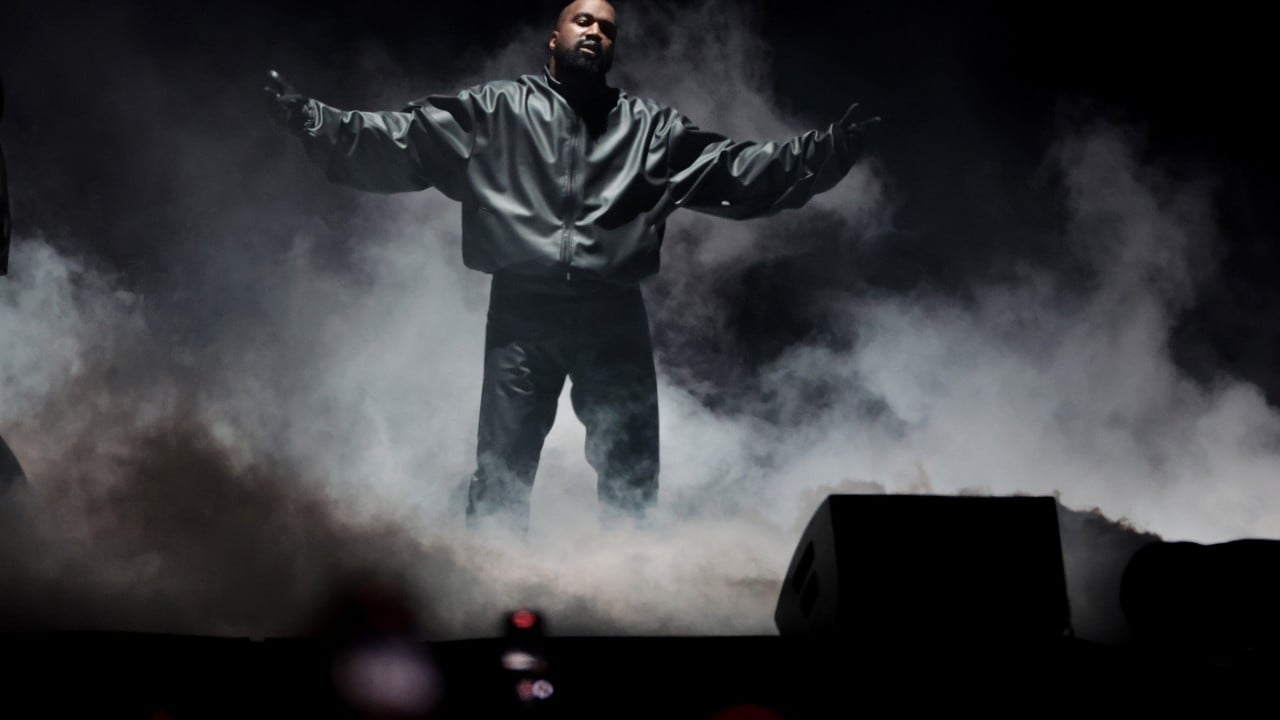
The media wants you to believe that the cancellation of a Kanye West concert in Italy is a simple matter of "security concerns." They point to the chaos of past events, the unpredictable nature of the crowds, or the logistical nightmare of a massive outdoor venue. This is a convenient fiction. It allows local authorities to look responsible while masking a much more embarrassing truth.
Italy didn’t pull the plug because they were afraid of a riot. They pulled the plug because they are terrified of an artist who operates outside the controlled ecosystem of the global touring industry. When the "security" card is played, it’s almost always a placeholder for "we can't control the optics or the money."
The Myth of the Unmanageable Crowd
Every time a high-profile event is scrapped, the press release mentions "public safety." Let’s look at the numbers. The RCF Arena in Reggio Emilia—the rumored site for the 2023-2024 Ye shows—is built specifically for massive crowds. It has a capacity of over 100,000 people. It has hosted Harry Styles. It has hosted local legends like Ligabue.
If the venue can handle 100,000 screaming fans for a pop star, the argument that it cannot handle a Kanye West crowd is logically bankrupt. The "security risk" isn't about the fans; it’s about the bureaucracy. In Europe, and specifically in Italy, large-scale events require a "Commissione di Vigilanza" (Oversight Commission) to sign off on everything from exit widths to the number of portable toilets.
When an artist like West decides he wants to perform on ten days' notice, he isn't just challenging "security." He is disrupting the slow, agonizingly bureaucratic pace of European local government. The cancellation was a white flag from officials who realized they couldn't move as fast as a billionaire with a vision. It wasn't a threat to life; it was a threat to the status quo.
The Economic Sabotage of Spontaneity
The modern concert industry is built on a 12-to-18-month planning cycle. Live Nation and AEG want predictability. They want ticket sales tiered, VIP packages sold months in advance, and insurance premiums locked down before a single stage hand picks up a wrench.
Kanye West represents the absolute destruction of this model.
- The Zero-Lead Time Problem: Planning a stadium show in two weeks is an act of industrial defiance.
- The Insurance Nightmare: Most underwriters won't touch a high-risk artist without a massive premium and months of vetting.
- The Local Economy Shock: While a 100,000-person event brings millions in revenue to hotels and restaurants, it also breaks the local infrastructure if they aren't given a year to prepare.
Italy didn’t ban a concert; they banned a business model that they aren't equipped to handle. By labeling it a security issue, they avoid the conversation about how rigid and outdated their own event infrastructure has become. If you can't authorize a concert in two weeks, you don't have a security problem—you have a terminal case of red tape.
The Political Spectacle of "Security"
We have to address the elephant in the room: Kanye’s reputation and his past statements. In the current climate, "security" is often used as a euphemism for "political liability."
Local mayors and prefects in Italy are elected officials. They are hyper-sensitive to the international gaze. Hosting an artist who has been a lightning rod for controversy presents a PR risk that no amount of ticket tax revenue can offset. If something goes wrong—even a minor scuffle—the headline isn't "Local Police Fail to Manage Crowd." The headline is "Italian Government Provides Platform for Controversy."
By citing security, the authorities claim a neutral, high-ground position. They aren't "censoring" an artist; they are "protecting the public." It’s the ultimate bureaucratic escape hatch. It’s a move I’ve seen time and again in corporate boardrooms: when you want to kill a project but don't want to explain why, you claim it’s a "compliance risk."
The Failure of the RCF Arena Experiment
The RCF Arena was supposed to be the jewel of European outdoor venues. It was designed to be the "Campovolo" of the future. Yet, when faced with the biggest potential event in its short history, the system blinked.
Imagine a scenario where a city claims to be a global hub for tech but then bans a major product launch because they can't figure out how to provide enough Wi-Fi. That is exactly what happened in Reggio Emilia. The "security concerns" are an admission of incompetence. If a world-class venue cannot secure a performance by one of the most famous men on earth, then the venue is a failure, not the artist.
We are entering an era where the traditional gatekeepers of culture—the city councils, the venue boards, the legacy promoters—are being outpaced by the speed of digital culture. An artist can announce a show on Instagram and sell 50,000 tickets in an hour. The Italian government still operates on a system of physical stamps and paper filings. The "ban" was a collision between the 21st century and the 19th.
Why the Fans Are the Only Real Losers
The narrative that this ban was "for the fans' own good" is the most insulting part of the deception. Fans are perfectly capable of assessing risk. They travel across borders, sleep in cars, and pay exorbitant prices because they value the experience.
When the state steps in to "protect" them from a concert, they are actually protecting the state's own reputation. The fans lose the cultural moment. The local businesses lose the windfall. The only winner is the bureaucrat who gets to go home and not worry about a difficult workload.
The Real Checklist of Why It Was Cancelled:
- Lack of Lead Time: Not enough time to coordinate the "Carabinieri" and local police shifts.
- Insurance Failure: No major insurer would underwrite a 100k-capacity show with 7 days of prep.
- Political Cowardice: Local officials feared the international press more than they valued the local economy.
- Logistical Rigidity: The inability of the Italian railway and transit systems to pivot for a sudden surge in traffic.
Stop Buying the "Safety" Narrative
The next time you see a headline about a major event being cancelled for "security reasons," look at the timeline. Look at the local politics. Look at the venue's recent history.
Security is a measurable metric. It’s about egress rates, fire suppression, and personnel ratios. Most of the time, those metrics are fine. What isn't fine is the stomach of the people in charge. They aren't afraid of a riot. They are afraid of the work. They are afraid of the spotlight. And most of all, they are afraid of an artist who proves that their entire system of "oversight" is just an expensive way to say "no."
Italy didn't save lives by banning Kanye. They just saved themselves a headache and proved that their "world-class" infrastructure is only world-class if you give them two years to turn the lights on.
The industry is moving at light speed. The regulators are still walking. The ban isn't a sign of strength; it’s a confession of obsolescence.