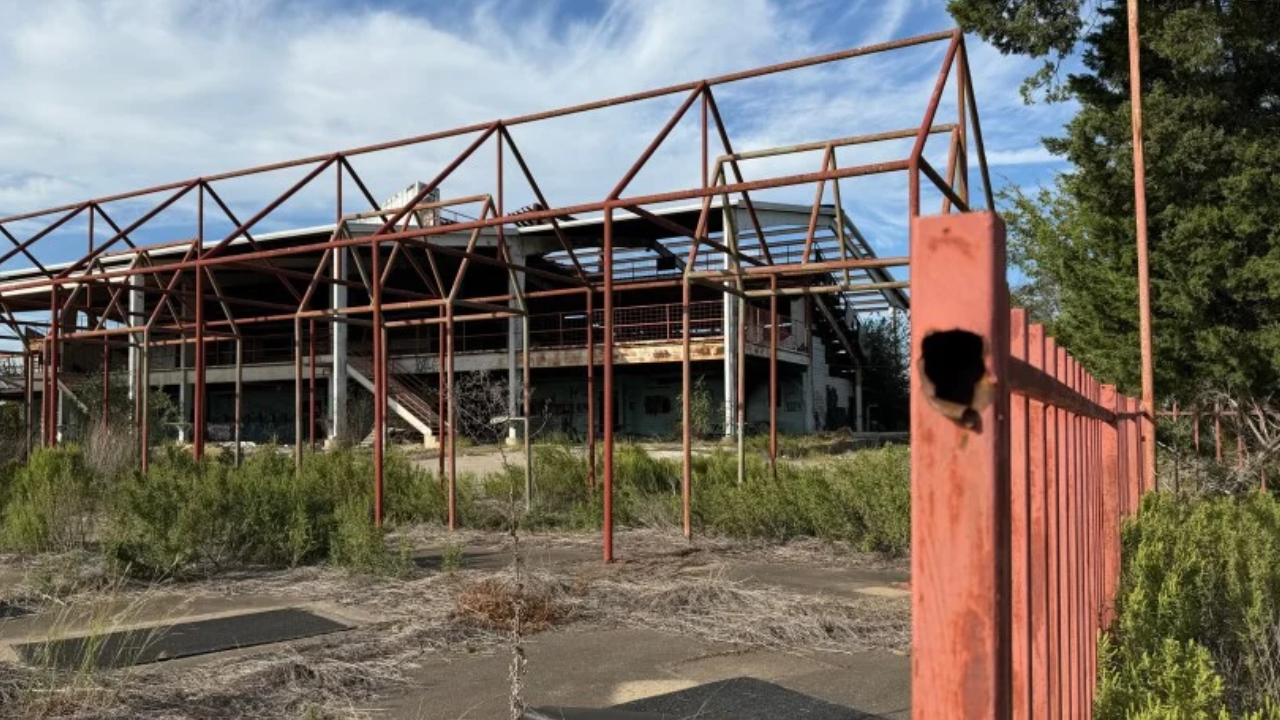
Applause breaks out. A tear rolls down a columnist's cheek. Another multi-generational Texas ranch hits the headlines because a family sold 650 lakefront acres for eight figures to become a state park.
Hold the confetti.
A buyout is not preservation. A headline is not a legacy. When a family sells a working ranch to a public agency, the story does not end happily ever after. It shifts from private stewardship to public bureaucracy.
I have spent years working alongside land trusts, rural heirs, real estate attorneys, and conservation buyers across the American West and Southwest. I have watched families celebrate a "win" at the closing table only to realize six years later that the thing they loved most was quietly erased in the name of public access. I have seen landowners turn down a clean conservation easement or a working-land buyer because a state agency offered prestige, ceremonial photos, and a higher-sounding press release—only to watch agency budgets stall, trail plans get shelved, or old ranch structures rot under safety rules.
Let us look at the lazy consensus around deals like this. Every time a large tract of lakefront land moves into public hands, the standard coverage sounds the same. A family held the land for roughly eight decades. The property sits on scarce water. The price clears ten million dollars. The buyer is a state park system. Therefore, history is saved, open space is secured forever, and the public wins.
That script is comfortable. It is also lazy.
Why Selling to a State Park Confuses Ownership With Stewardship
First, define the terms properly. In land economics and conservation law, fee-simple acquisition means the buyer takes full title and all rights to the land. Preservation is a management outcome, not a deed classification. Buying land is the opening act. Keeping ecological function intact, maintaining historic structures, and managing human pressure without trashing the shoreline is the real work.
Public agencies face structural pressures that private owners do not. A state park system balances statewide politics, legislative appropriations, maintenance backlogs, visitor capacity, liability rules, and shifting priorities across administrations. Buying a 650-acre ranch is often the easiest part of the deal because lawmakers and donors love ribbon cuttings. Funding ranger staffing, fencing, erosion control, invasive species management, and historic building upkeep ten years later is much harder.
Think about what a working ranch actually represents after eighty-six years. It is rarely just dirt and trees. It is a history of decisions: where cattle were moved to rest native grasses, which creeks were buffered, how brush was cleared, which barns or windmills or stone walls carried family labor. Turn that property into a recreational park, and the function of the land changes. Livestock grazing stops or gets restricted to narrow pilot programs. High-foot-traffic trails appear near sensitive banks. Parking lots, restrooms, signage, and crowd control take priority over quiet family rhythms.
You did not preserve the ranching way of life. You replaced it with a park.
Sometimes that trade is worth making. Lakefront acreage in fast-growing states faces intense pressure from trophy subdivisions, gated docks, and short-term rental compounds. Stopping dense lakeshore development has real value. A public park can block wall-to-wall vacation homes on a stretch of shoreline.
Still, stopping one threat does not automatically protect everything else. Calling a state park sale "preserving history" flattens a messy reality into a bumper sticker.
The Real Question Landowners Should Be Asking
Coverage around these sales usually asks a surface-level question: Did the family get a fair price and keep the land from being chopped up?
That is the wrong question.
The sharper question is: What specific ecological and cultural features on this property require active management, and which buyer structure is actually built to fund and execute that work over the next fifty years?
A family sitting on 650 lakefront acres is usually wrestling with three converging forces:
- Generational divergence. Cousin A wants liquidity to buy a house or pay off debt. Cousin B wants to keep working the land. Cousin C lives three states away and views the ranch as an asset spreadsheet.
- Tax and estate friction. Rising land values—especially near water—push appraised values up even when agricultural cash flow stays thin or erratic.
- Development temptation. Lakefront land carries a massive premium for residential or recreational buyers, creating a wide gap between agricultural value and market value.
When a state agency steps in with a ten-million-plus check, it solves the liquidity and split-family problem cleanly. Everyone gets paid. No one has to argue over who mends fence in August. That is a real benefit, and pretending otherwise would be dishonest.
Yet solving a family buyout does not automatically solve land management. A public agency answers to taxpayers and state budgets. If state park funding tightens during a downturn, maintenance gets deferred. If visitation spikes on weekends, shoreline compaction and trash follow.
Dismantling the "People Also Ask" Myths Around Ranch-to-Park Sales
Search results around deals like this tend to circle the same set of questions. Most of them rest on shaky assumptions.
"Does selling ranchland to the state guarantee it stays natural forever?"
Not in practice. Legal title may sit with the state, and statutory rules may make resale difficult, but "natural" is not a static state on a lakefront ranch. Without active brush management, prescribed fire or grazing where appropriate, and erosion control along banks, land changes fast. Furthermore, public parks are designed for people to visit. Trails, roads, boat ramps, and facilities alter wildlife movement and quiet pockets. Permanence on paper is not the same as ecological stability on the ground.
"Is a state park sale better for history than selling to a private buyer?"
Sometimes yes, sometimes no. A private buyer who loves ranch heritage—or places a conservation easement on the property—can keep agricultural operations alive and maintain historic structures with fewer bureaucratic hurdles. On the other hand, private owners can change their minds, sell again, or run out of patience. A state park may interpret "history" through broad regional storytelling rather than one family's specific ranching story, and old outbuildings that do not meet modern public safety codes are sometimes removed rather than restored.
"Why do families sell for millions instead of donating or using a conservation easement?"
Because love of the land does not pay estate taxes, buy out five siblings, or fund retirement. A conservation easement—a legally binding agreement that restricts development while keeping land in private hands—can lower taxes and preserve working land, often with compensation through easement programs. However, easements do not always hand a family full cash liquidity at closing, and they still require ongoing stewardship by the owner. When a family needs cash now and wants out of daily management, a direct sale to a public buyer can look like the cleanest exit.
Imagine a Different Path
Imagine a scenario where the same 650-acre lakefront ranch does not go to a state park. Instead, the family splits the problem into two pieces: placing a strict conservation easement over the sensitive shoreline and native pasture to bar subdivision and heavy commercial building, while selling the working parcel to an experienced regional rancher or conservation-minded operator with a track record of land restoration.
In that scenario, cattle still work the grass. Invasive brush still gets fought by people who know every draw and soil type on the place. The family still gets capital from the easement sale and land sale.
Now compare that with a scenario where the state buys the entire tract outright. The shoreline is protected from private vacation homes, and thousands of residents gain access to views they never could have seen before. At the same time, cattle gates close, public rules govern every acre, and long-term upkeep depends on state appropriations.
Neither path is a magic wand. Both involve trade-offs.
Where Heavy Hitters in Conservation Actually Draw the Line
Serious conservation economists and land practitioners have warned about this distinction for decades. Scholars like Elinor Ostrom showed through extensive empirical research on common-pool resources that rules, monitoring, and local stewardship incentives determine whether resources thrive or degrade—not simple labels of "public" versus "private." In land conservation more broadly, organizations like The Nature Conservancy and the Land Trust Alliance emphasize matching the legal tool and steward to the specific conservation goal, whether that is fee acquisition, conservation easements, or working-land partnerships.
The lesson from heavy hitters in the field is remarkably consistent: form follows function. If the goal is broad public recreation and shoreline access, a public park makes sense. If the goal is keeping a specific agricultural heritage and working ranch ecosystem intact, handing the keys to a recreation agency is a roundabout way to get there.
The Downsides of My Contrarian Take
Being blunt about the limits of state park buyouts carries its own blind spots, and I will own them.
First, private conservation and working-ranch sales are harder to pull off when family members disagree or need immediate cash. Finding a buyer with both enough capital and genuine land stewardship skill is tough, especially on prime lakefront real estate where luxury buyers outbid almost everyone.
Second, private land—even under an easement—is still vulnerable to uneven management if a future owner cuts corners or struggles financially. Public agencies at least operate with institutional continuity and formal oversight, even when budgets are tight.
Third, public access matters in states where huge portions of land are privately held. When working families or everyday residents cannot afford a lake cabin or a ranch, a state park gives regular people a chance to walk near water and experience open country. Dismissing public access entirely ignores a real social good.
What Landowners and Buyers Should Actually Do Next
If you own multi-generational land—or advise families who do—stop treating a state park sale as an automatic moral triumph or an automatic failure. Treat it as a real estate and land-management contract.
- Audit the actual management plan before signing. Ask what happens to grazing, brush control, historic structures, fencing, and shoreline buffers in years one, five, and fifteen. Do not rely on press-release promises.
- Price the non-cash trade-offs. Compare full cash liquidity from a public sale against partial liquidity plus tax benefits from a conservation easement or a structured sale to a working-land buyer.
- Separate shoreline protection from ranch operations where possible. Not every acre has the same ecological sensitivity or public-access value. Match the restriction to the actual risk.
- Check funding durability. Look past the acquisition check and ask where operating and maintenance dollars come from when state budgets get tight.
A 650-acre lakefront sale for over ten million dollars after eighty-six years is a major financial event. It is not automatically a museum piece frozen in amber.
Read the deed, check the maintenance budget, and drop the fairy tale.