History rarely smells like sulfur. Sometimes, it smells like stale coffee and damp wool inside a windowless room where the air conditioning hums a low, deceptive note of normalcy.
Imagine a desk. Across it sit two men who represent nations locked in a slow-motion, grinding catastrophe. They do not shout. They do not slam fists. They measure each other with the terrifying, practiced calm of bomb disposal experts who know that a single clumsy syllable could detonate the room.
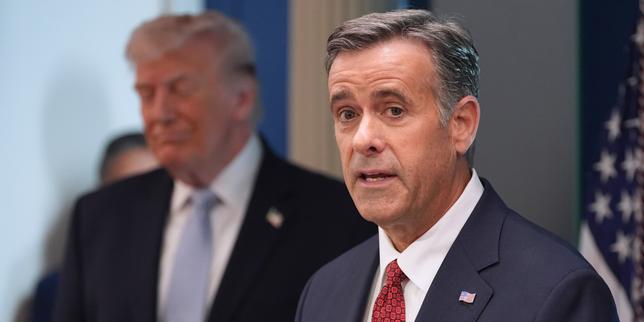
The Kremlin confirmed what the television screens refused to broadcast for long hours. The director of the Central Intelligence Agency had been to Moscow. Not to wave flags. Not to negotiate a grand, sweeping peace that would make the front pages of morning newspapers. He was there to draw red lines in the dark.
For months, the map of Eastern Europe had bled into a jagged puzzle of trenches, drone-haunted skies, and ruined suburbs. We watched from afar, staring at pixelated feeds of cities turned to dust, feeling the helpless ache of distance. But wars are rarely fought solely by the battalions freezing in the mud. They are also steered by ghosts. Men in charcoal suits who fly on unmarked planes, slipping through side doors while the world screams at the headlines.
Consider the nature of such a meeting. When official diplomacy freezes into statues of ice, intelligence channels become the last remaining pulse. It is a strange, uncomfortable truth. The architects of espionage are often the only ones permitted to speak the truth to one another because their currency is not public posturing, but cold assessment of capability and consequence.
(Note: While the precise dialogue behind closed doors remains classified, diplomatic historians confirm that these backchannel summits are structured around preventing miscalculation—specifically ensuring that conventional friction never crosses the threshold into terminal escalation.)
Think about what it takes to look your adversary in the eye when your countries are backing opposing sides of a historical slaughter. You do not talk about ideals. You talk about math. You talk about what happens if a missile strays fifty miles to the left. You talk about the invisible tripwires that neither side truly wants to step across, yet both fear the other might accidentally trigger.
We crave simple narratives. We want heroes in shining armor and villains wearing obvious sneers. Reality refuses to cooperate. The men holding the heavy levers of war are often remarkably ordinary in appearance, sitting under fluorescent lights, drinking mediocre tea, discussing the potential end of civilization with the detached tone of accountants reviewing a ledger.
That is the terrifying pivot of modern conflict. The distance between total annihilation and a fragile, grinding stalemate often rests on a single whispered warning in a secure room. When the CIA director boarded that flight back to Washington, no parades awaited him. No speeches celebrated his return. The victory was invisible. The victory was simply that the world woke up the next morning, still spinning.
We are left to wonder what was said in the quiet spaces between the sentences. Did they lean forward? Did the air grow cold? We will likely not know for years.
Until then, the trenches remain muddy. The drones still hum overhead. And somewhere in the dark, the shadow architects are already drafting the next quiet conversation to keep the world from burning down entirely.