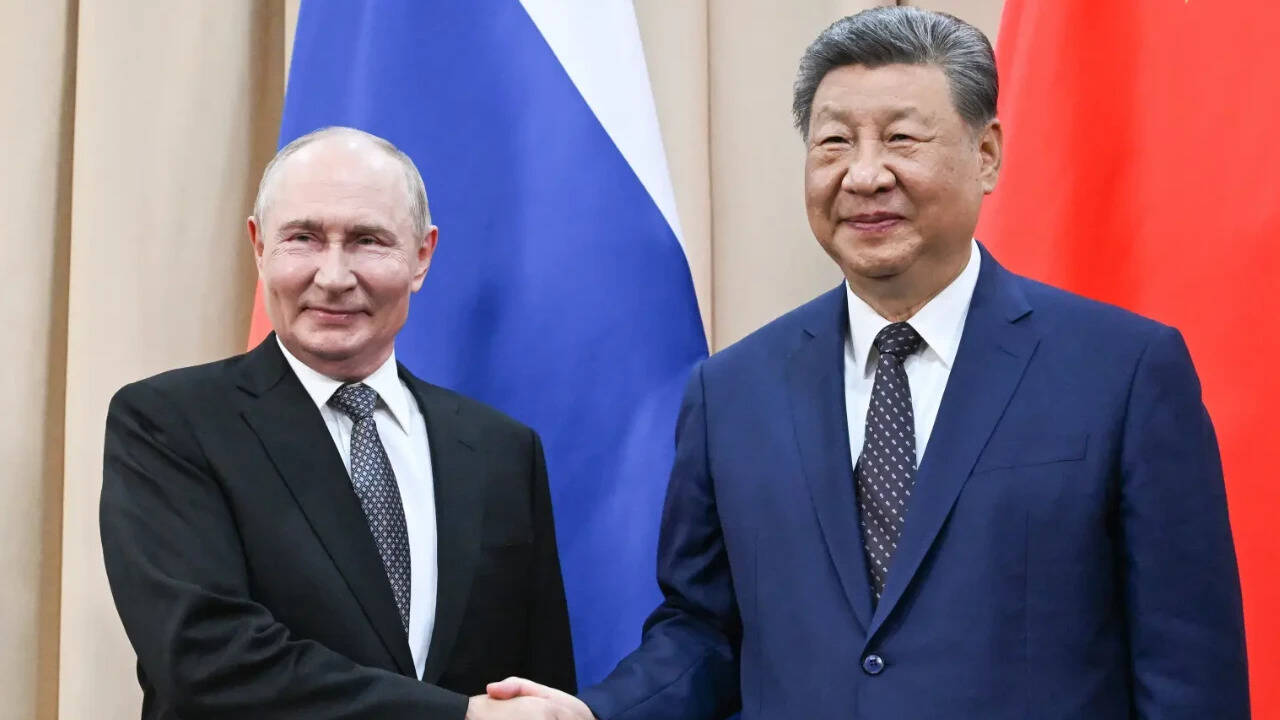
The Weight of a Handshake
There is a specific kind of quiet that fills a state room when two men, carrying the architectural weight of half the world on their shoulders, sit down across a polished wooden table.
I remember standing outside a similar summit room years ago during a mid-winter freeze, watching the breath of security guards turn to frost in the courtyard. Inside those rooms, history is rarely shouted. It is whispered. It is signed in the margins of documents that ordinary people will never read, written in a bureaucratic language designed to obscure the tectonic plates shifting beneath our feet.
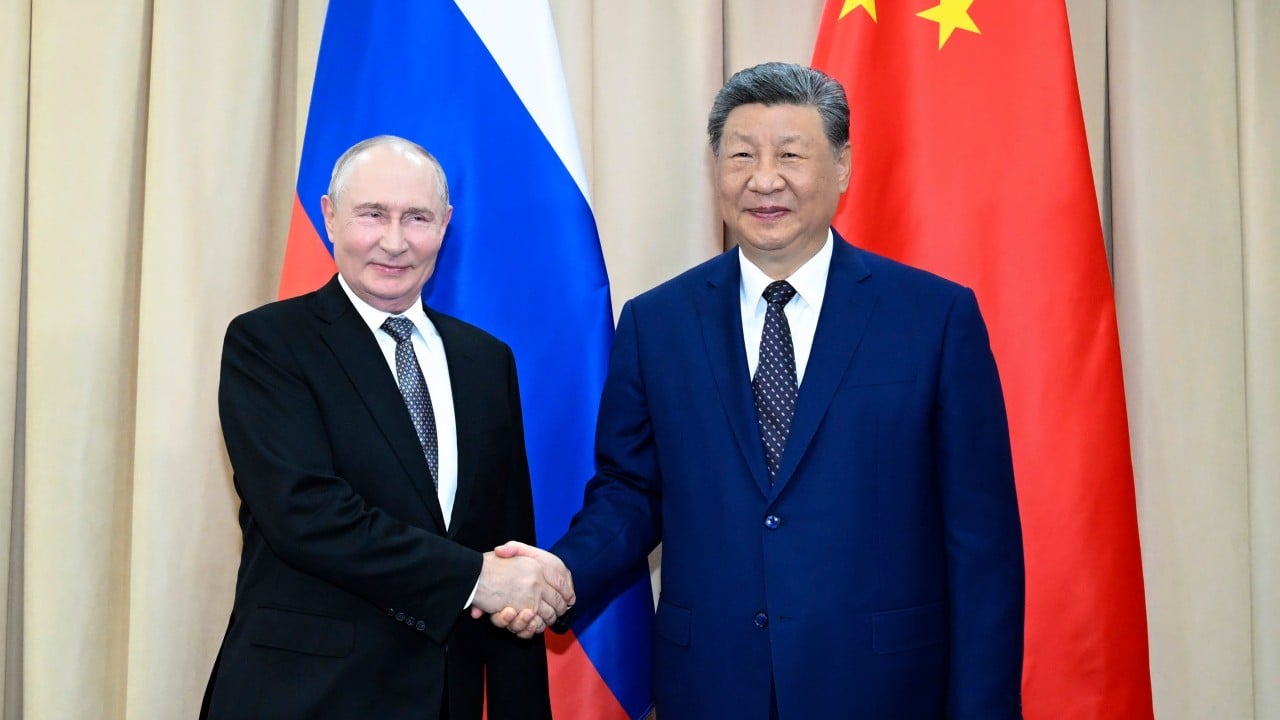
When Xi Jinping looked across the table at Vladimir Putin recently, the public dispatches used clean, bloodless words. They spoke of cooperation. They mentioned rising uncertainties. They framed the encounter through the standard lens of diplomatic protocol, trade metrics, and strategic alignments. But language like that sanitizes the reality. It hides the human pulse behind the headlines.
Consider what is actually happening in the kitchens of ordinary families thousands of miles away from Moscow and Beijing. A factory worker in the industrial rust belt notices the cost of raw materials creeping upward. A small business owner in Central Asia watches supply chains stutter, wondering if next month's shipment will clear customs. These are not abstract geopolitical chess pieces. They are living, breathing human beings caught in the downdraft of decisions made behind closed doors.
Uncertainties.
It is a polite word for fear.
The Anatomy of an Alliance Forged in Pressure
To understand why these two leaders are pulling closer together, you have to look at the atmosphere of isolation. When you build a fortress, you stop worrying about who is outside and start looking at who is willing to share the watchtower.
For years, Western capitals pursued a strategy of economic containment and diplomatic pressure. The calculation was simple: squeeze hard enough, and the targeted nation will bend. But history teaches us a stubborn lesson. Pressure does not always break; sometimes, it welds.
(Note: This welding process is a metaphor for diplomatic convergence, not a literal chemical bonding of state apparatuses.)
Picture a hypothetical merchant in a port city along China's eastern seaboard. Let us call him Zhang. Zhang does not care about geopolitical theories. Zhang cares about container slots, currency exchange rates, and whether his banking transactions will go through tomorrow morning. When sanctions cascade through the global financial system like falling dominoes, Zhang's daily life becomes an exercise in high-stakes survival.
When Xi calls for stronger cooperation with his northern neighbor, he is speaking directly to the anxieties of people like Zhang. He is signaling a pivot toward alternative corridors, alternative currencies, and alternative systems of survival. It is an insurance policy written in oil, grain, and digital infrastructure.
The Architecture of Trust
Trust between superpowers is a rare and fragile commodity. It is never built on affection. It is built entirely on shared vulnerability.
Putin arrives at these meetings carrying the crushing weight of a protracted conflict in Europe and an unprecedented wall of economic restrictions. His economy has been forced to pivot eastward, turning a historic preference for European markets into a desperate, permanent reliance on Asian partners.
Xi arrives with a different kind of pressure. China's economic engine, while massive, faces a complex domestic transition and relentless friction with Western democracies over technology, trade, and regional security.
They need each other. Not because they are natural ideological soulmates, but because the storm outside is formidable.
Imagine two climbers strapped together on a sheer ice face during a blizzard. They might not be best friends. They might argue about the route. But when the wind howls and the ice begins to fracture beneath their boots, they check the tension on the rope with absolute, unyielding focus.
That rope is trade. That rope is diplomatic backing at the United Nations. That rope is the quiet agreement to keep buying, keep selling, and keep defying the economic gravity imposed by Washington and Brussels.
Looking Beyond the Headlines
When we read that uncertainties are rising, we tend to shrug and turn the page. We assume it is just another dispatch from a distant world of diplomats and bureaucrats.
That is the mistake.
The decisions made in those grand halls trickle down with terrifying speed. They determine the price of gasoline in a provincial town. They dictate the cybersecurity protocols of a regional bank. They shape the technological divide that is slowly splitting the global internet into two distinct, incompatible universes.
The meeting between Xi and Putin was not just a photo opportunity. It was a weather vane. It tells us that the old, unipolar architecture of the post-Cold War era is gone, replaced by a fractured, competing multipolarity where the rules are written on the fly.
The snow continues to fall outside the state guesthouse. The cameras flash, capturing the handshakes, the smiles, the calculated warmth of diplomatic theater. But beneath the suits and the translated words lies a hard, unyielding truth. The world is splitting along new fault lines, and the tremors are just beginning to reach our feet.