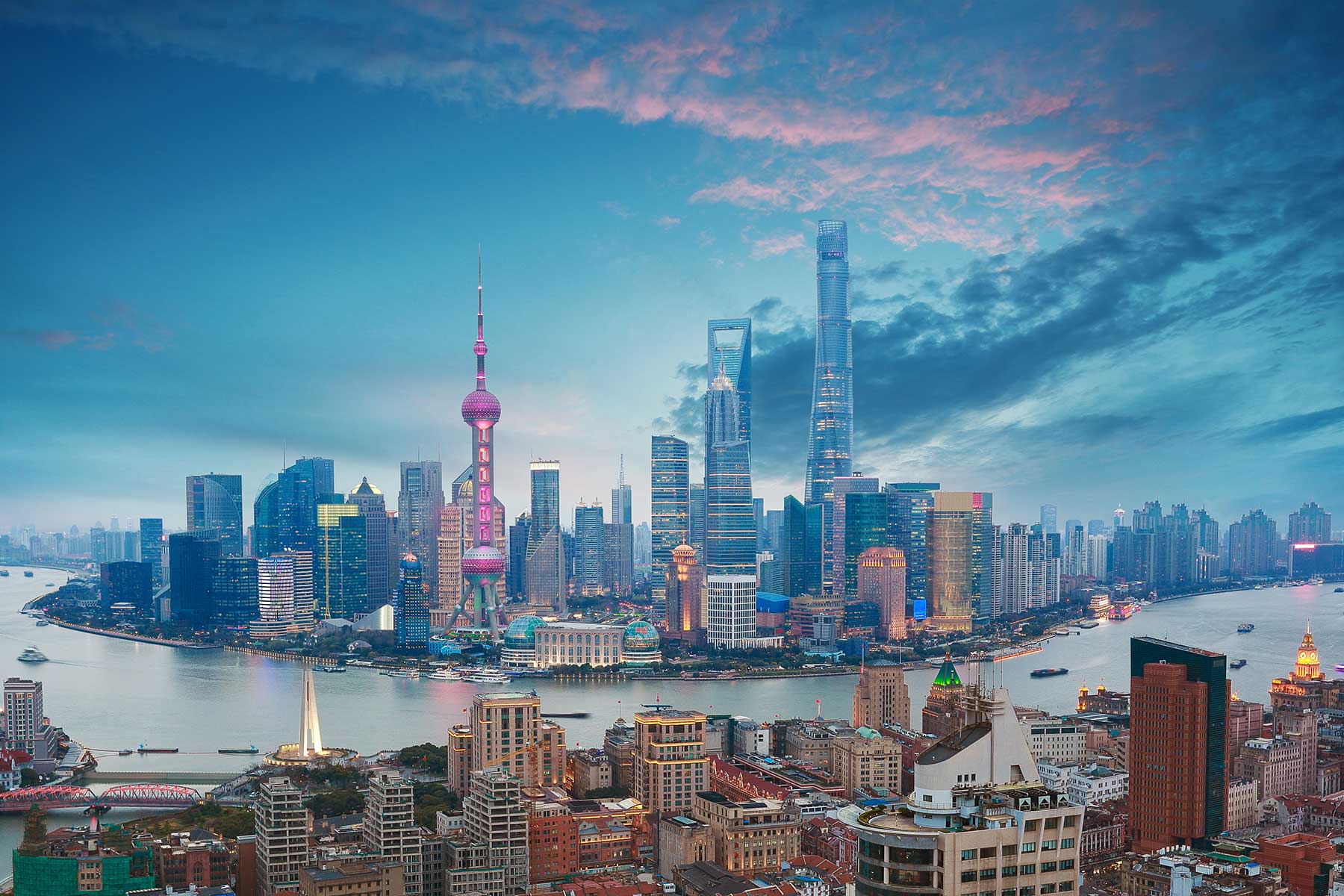
The financial gravity in Asia has shifted. For decades, founders in Beijing and Shenzhen looked toward the neon glow of the Hong Kong Stock Exchange as their primary ticket to global liquidity and prestige. That era is fading. A new order has taken hold, centered on the Shanghai Stock Exchange and its Science and Technology Innovation Board, widely known as the STAR Market. While Hong Kong struggles with stagnating indices and a retreat of foreign capital, the STAR Market has emerged as the preferred destination for firms driving China’s push for industrial self-sufficiency.
This transition is not merely a regional rivalry. It is a strategic realignment. The Chinese government has prioritized the STAR Market as the engine for its “hard technology” sector, funneling domestic capital toward companies that build the physical architecture of the future—semiconductors, advanced robotics, and new materials. Meanwhile, you can find related events here: The Invisible Hand That Holds the Thirty Two Trillion Dollar Chain.
Why is the STAR Market winning this specific battle? The answer lies in accessibility and intent.
Historically, Chinese technology companies were forced into foreign or offshore listings because traditional domestic exchanges demanded a proven track record of sustained profitability. That model ignored the reality of innovation, where firms often spend years burning cash to secure patents and refine complex production processes. The STAR Market abandoned that rigidity. By implementing a registration-based IPO system and allowing unprofitable, high-growth firms to debut, it removed the barriers that previously drove founders to Wall Street or Central. To understand the bigger picture, we recommend the excellent article by The Wall Street Journal.
Consider a hypothetical firm, Alpha Robotics, a venture-backed startup focusing on industrial automation. Five years ago, Alpha Robotics would have faced a grueling approval process in the mainland, likely pushing it to list in Hong Kong to satisfy its investors. Today, that same company qualifies for an expedited registration path in Shanghai. The exchange understands that capital is not just a reward for past success; it is a necessity for future development.
The Hong Kong Stock Exchange has attempted to play catch-up. Recent reforms have introduced less stringent listing standards and allowed for weighted voting rights—a structure that lets founders maintain control as their influence grows. Yet, these adjustments often feel reactive. While Hong Kong tries to modernize its rules to attract mobile, global-facing tech firms, the STAR Market is already embedded in the state’s industrial policy. For a semiconductor firm in the midst of a government-backed supply chain upgrade, a Shanghai listing serves as both a fundraising event and a signal of political alignment.
Investors recognize this. The STAR 50 index has shown a resilience that contrasts sharply with the performance of Hong Kong’s tech indices. When local money stays in local markets, liquidity follows. The narrative of “capital flight” is losing its bite because the assets worth owning are increasingly being locked into domestic exchanges.
This environment creates a distinct challenge for Hong Kong. As more innovative firms prioritize Shanghai, the quality of companies available on the Hong Kong exchange risks becoming stale. If the most significant advancements in AI and hardware debut on the mainland, Hong Kong risks becoming a home for “legacy” tech—companies that were disruptive a decade ago but lack the current, state-backed momentum of their Shanghai counterparts.
The divergence between the two markets also highlights a growing divide in how Chinese corporations view their own futures. Those seeking international exposure and capital mobility still look to the world stage. However, those building the backbone of China’s infrastructure—the companies that deal in silicon, circuitry, and high-end machinery—now view the STAR Market as their natural habitat.
Regulators in Beijing have been clear about their priorities. They want the winners of the next industrial cycle to be funded by domestic pools of capital, effectively closing the loop between Chinese innovation and Chinese wealth. The market-oriented reforms, such as the removal of price movement caps during the first five days of trading on the STAR Market, offer a level of volatility that attracts risk-tolerant, high-conviction investors. It is an environment built for growth, not just for stability.
Looking at the current trajectory, the tension is clear. Hong Kong will likely continue to serve as a vital conduit for firms aiming at global markets, but the crown of the domestic tech sector has moved. Shanghai has successfully positioned itself as the venue where government mandate and market appetite meet. For founders and investors alike, the math has changed. The path of least resistance no longer leads across the border to the harbor; it leads to the heart of the mainland.
The institutions that fail to recognize this shift will find themselves managing the archives of the past, while the real action remains firmly in Shanghai.