The air inside the clinic smelled of wet cement, bleach, and fear.
It is a specific kind of odor, one that clings to the back of your throat long after you have walked away into the sun. I remember standing in a corrugated metal structure in Equateur Province years ago during an earlier flare-up, watching a nurse named Marie tape a fresh pair of heavy-duty rubber gloves around her wrists with duct tape. No skin could show. No millimeter of vulnerability could be exposed to the quiet enemy waiting in the damp soil of the rainforest.
Now, the numbers have returned. Two thousand souls extinguished. Not as a statistic printed in a morning brief, but as empty chairs at dinner tables in villages where the dirt roads turn to red soup when the rains come.
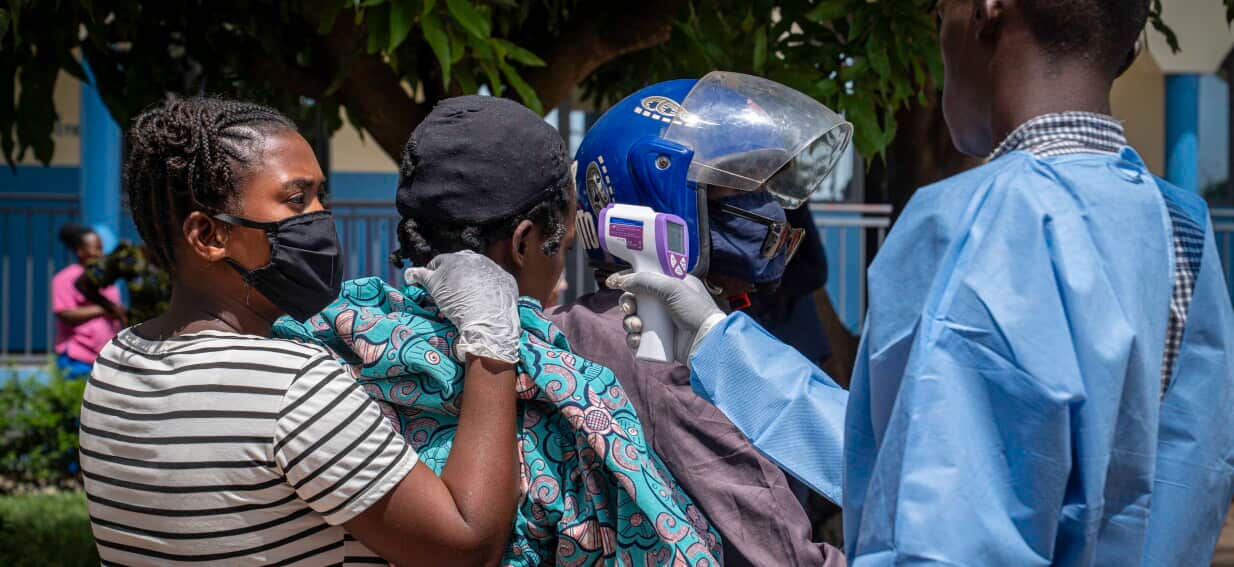
We look at outbreaks through the wrong end of a telescope. We treat them as distant weather patterns, meteorological disasters happening over there, across an ocean, confined to a map we can fold up and put away. But disease has its own logic. It moves along the arteries of human interaction. It travels on the back of a motorbike carrying a merchant to a regional market, or in the quiet footsteps of a daughter walking three miles to fetch water for a mother who has started to sweat too much.
To understand why two thousand people are gone, you have to understand the geography of absence.
Consider a hypothetical mother we will call Kende. She lives in a settlement three hours off the paved grid. When her youngest son begins to spike a fever, she does not think of viral replication or filoviruses. She thinks of malaria. She thinks of the heavy, humid heat that sits on their chests every afternoon. She does what mothers have done for generations: she bathes his burning forehead in cool water, wraps him in a blanket, and waits for morning.
That waiting is where the virus wins.
Ebola does not storm the gates; it slips through the unlocked back door of human compassion. When we care for our sick—when we wipe their brows, hold their hands, and bury them according to ancient, sacred customs—we are practicing the very rituals that make us human. The pathogen uses those exact instincts against us.
Epidemiology is often taught as a science of cold numbers, reproduction rates, and incubation periods. But anyone who has walked through a red-zone community knows it is really a study in human friction. It is the friction between modern medical containment and centuries of cultural tradition. Tell a community that they cannot wash the body of their departed elder before burial, and you are not just issuing a health directive. You are demanding an emotional amputation.
The expansion of this latest outbreak in the Congo basin is not a failure of biology. It is a failure of velocity. Viruses do not need malice; they need delay. Every hour spent debating logistics, every day lost waiting for diagnostic reagents to clear customs in Kinshasa, acts as fuel for the fire.
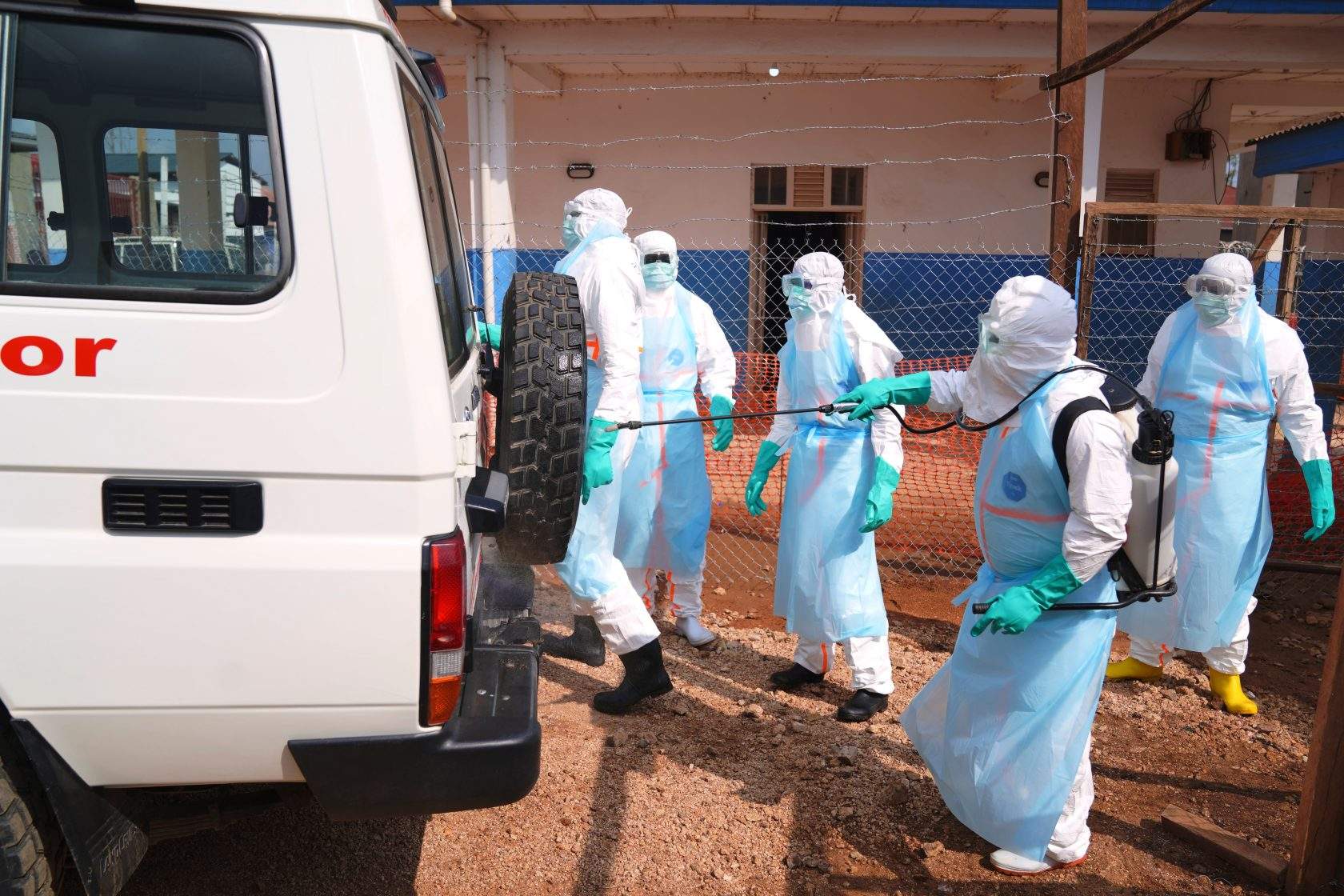
Let us look closer at the machinery of response. In a modern hospital, isolation is a matter of negative-pressure rooms and HEPA filters. In the remote expanses of central Africa, isolation is constructed out of willpower, plastic sheeting, and chlorine sprayers pumped by hand. It is heavy, sweaty, exhausting work. I watched a team of local hygienists in Mbandaka suit up in fifty-degree heat, working in thirty-minute shifts because the human body simply cannot endure longer inside those impermeable cocoons without fainting.
They are the invisible spine of survival. Not the international delegations with their sleek press conferences, but people like Jean-Paul, a local carpenter who dropped his tools to build triage frames, knowing full well the risk lurking in the next village.
Why do these outbreaks keep returning?
The answer lies in the deep ecological intersections where human expansion meets wild reservoirs. As logging roads cut deeper into the canopy, as agricultural plots push closer to the deep forest, the buffer zones shrink. We step closer to the shadows where the virus circulates quietly among animal hosts, undisturbed for decades, until a single point of contact opens a new chapter.
Yet, the narrative of inevitable doom is a lazy one.
We have beaten back this terror before. We did it in West Africa; we did it in previous surges along the Kivu river valleys. We did it not with magic bullets, but with the grinding, unglamorous labor of trust-building.
Trust is harder to manufacture than a vaccine. When medical workers arrive in alien gear resembling astronauts, local communities do not see saviors; they see an invading army of ghosts. Rumors take root faster than the infection. People hide their sick. They whisper about phantom poisons. And who can blame them? History has given marginalized populations every reason to eye outsiders with profound suspicion.
The turning point in any epidemic is never medical. It is cultural.
It happens the moment a respected village elder steps forward, removes his hat, and tells his people that the clinic down the road is not a place where people go to die, but a place where the cycle stops. It happens when local survivors—people whose blood now carries the antibodies that fought off the darkness—walk back into the red zones without masks, holding out their hands to show that recovery is real.
Two thousand lives lost in Congo is an indictment of our collective global response time. It is a reminder that health security is not a local luxury, but a global commons. When we underfund surveillance systems in the remote tropics, we are simply waiting for the fire to reach our own doorstep.
The rain continues to fall over the basin. Somewhere out there on a red dirt track, a motorbike engine sputters to a halt, and a tired medic steps down into the mud with a kit bag in hand, walking toward a house where a light is still burning through the night.