The map in the corridor of the Ministry of Foreign Affairs in Tehran does not look like the ones hanging in Western classrooms. On this map, the distances are not measured in kilometers, but in the echoes of threats that refuse to die. When a politician three thousand miles away speaks of total obliteration, the words do not land as rhetoric. They land as weather. They settle on the slate roofs of ancient neighborhoods, they drift through the dusty courtyards of Isfahan, and they pool in the quiet anxieties of mothers who know too well what a burning sky smells like.
And then, there is the silence. If you found value in this post, you might want to check out: this related article.
It is a peculiar kind of silence, manufactured in Ottawa.
To understand why Tehran recently turned its diplomatic gaze toward Canada—rebuking the northern capital for its quiet complicity in refusing to condemn American threats of destruction—one must look past the stiff-collared communiqués and the sterile language of international law. One must look at the human cost of being invisible to the powerful until you demand to be seen. For another perspective on this development, check out the latest coverage from Associated Press.
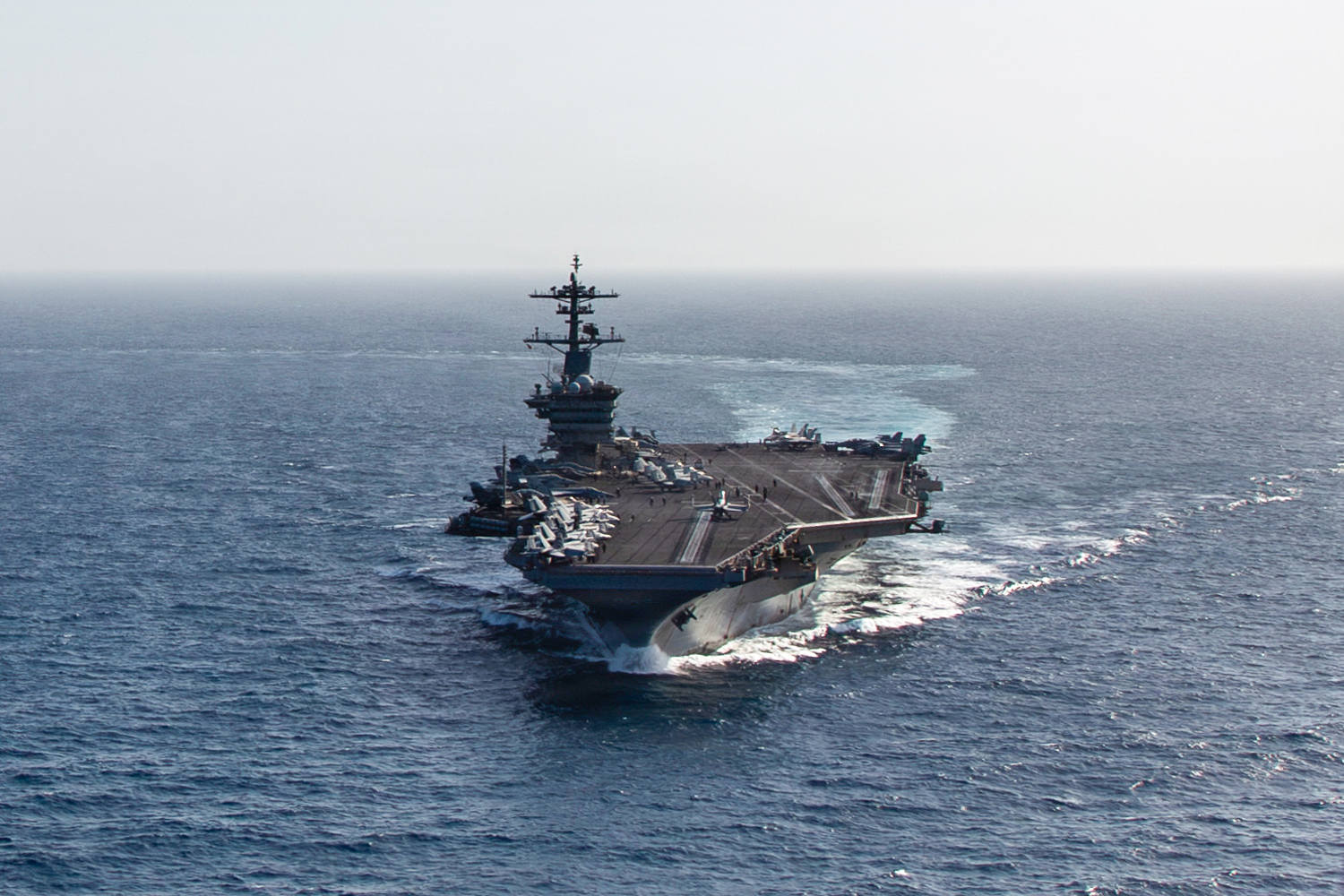
Let us step into a hypothetical living room in North Tehran. The television hums with the evening news. A translator’s voice drones over archival footage of American naval carriers slicing through the blue-gray waters of the Persian Gulf. The screen flashes with familiar declarations: options are on the table, capabilities are unmatched, obliteration is a choice. For a twenty-six-year-old graphic designer sitting on a faded velvet sofa, these are not abstract policy debates discussed over morning coffee in diplomatic quarters. They are the countdown timer on his youth. He looks at his mother, who stirs a pot of rice without looking up. She has lived through the long shadow of the eight-year war with Iraq; she knows the cadence of a government preparing its people for ash.
When official channels in Tehran issue a sharp reprimand to Canada for its deafening quietude regarding these threats, they are voicing an existential exhaustion. Why Canada? Because Canada wears a mantle of peace. It projects an image of a gentle neighbor, a mediator, a champion of human rights and international order. For decades, that reputation has been carefully polished. But reputation, like fine crystal, shatters under the weight of hypocrisy.
When a superpower threatens the annihilation of a sovereign state, the global community faces a moral threshold. You either stand at the doorway and bar the way with words of principle, or you step aside, pull your coat tight against the cold, and pretend you didn't hear the glass breaking.
Canada stepped aside.
There was no fiery denunciation from the steps of Parliament. There was no urgent summons of ambassadors. There was only the diplomatic cough, the shuffling of papers, and the profound, chilling comfort of alignment with empire.
To the observer sitting in North Tehran, this omission is deafening. It tells them that the universal declarations of human dignity, so eloquently recited by Western leaders in times of peace, are conditional. They apply to friends, to strategic partners, to those who sit inside the approved circle of influence. But for the rest—for the millions whose lives are weighed on the geopolitical scale and found wanting—silence is the currency of their expendability.
We must ask ourselves what happens when nations with historical pretensions to neutrality become the quiet accomplices of escalation.
Consider the mechanics of modern deterrence. It relies on a delicate, terrifying theater of posture and bluff. Every time a threat of destruction is uttered in Washington and met with silence in Ottawa, London, or Berlin, the threshold for catastrophe lowers. The unthinkable becomes thinkable. The rhetoric of destruction ceases to be an aberration and hardens into policy.
When Canadian officials bite their tongues, they are not acting out of pragmatism. They are practicing a form of moral cowardice that treats the lives of ordinary Iranians as collateral damage in a grander game of Western solidarity. It is a posture that says: Your survival is inconvenient to our alliances.
In the markets of Tabriz, merchants speak of politics the way farmers speak of the weather—not because they love it, but because it determines whether they eat. They know the sanctions that squeeze their pockets. They know the currency drops that turn their life savings into dust. But worse than the economic suffocation is the looming specter of physical erasure. To hear a foreign leader threaten to wipe your home off the map, and then to watch the nations that pride themselves on politeness and human rights look away and whistle past the graveyard—that is a special kind of cruelty. It is the cruelty of being rendered unreal.
Tehran’s diplomatic protest was an act of forcing the issue back into the light. It was a demand for acknowledgment. You see us, the protest whispered through the cold diplomatic channels. You know the threat is real. Why do you pretend the wind is just blowing through the trees?
History is remarkably unforgiving of bystanders who mistake silence for safety. The distance between a threat and a spark has never been shorter, mediated as it is by hair-trigger missile defense systems and the volatile whims of leaders who measure their strength by how close they can bring the world to the precipice without falling over.
When the history of this tense decade is written, the footnotes will not just record the belligerence of the aggressors. They will record the quiet complicity of the enablers. They will note how easily principles were folded away into desk drawers when the cost of upholding them became inconvenient.
Night falls over the Alborz mountains, casting a long, dark shadow across the sprawling sprawl of Tehran. The lights of the city twinkle below like fallen stars, beautiful and fragile. Millions of hearts beat in the dark, carrying the ordinary burdens of love, work, fear, and hope. They do not ask for miracles. They only ask that the world acknowledge their right to draw breath under the same sky, free from the shadow of total destruction, and free from the betrayal of a watching world that chose to say nothing at all.